
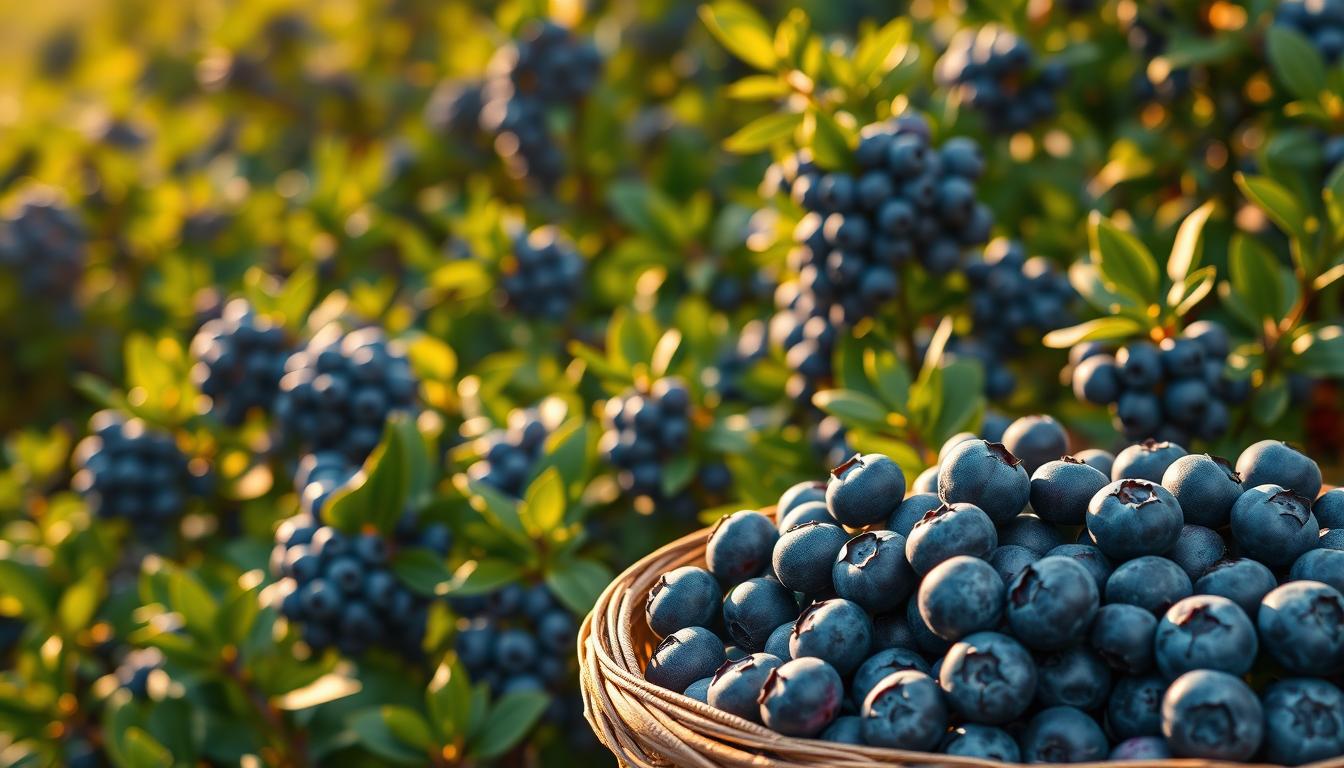
Ever wondered why blueberry season changes so much in the U.S.? So, when are blueberries in season? Knowing when blueberries are ripe can make your picking trip better.
The blueberry harvest times usually go from April to late September. But where you live and the weather there really matter.
In warmer places like the south, you might find blueberries as early as March. But if you’re in the north, you’ll have to wait until late July. Let’s review the details of when blueberries are at their best!
Key Takeaways
- The blueberry season typically runs from April to late September.
- Timing varies significantly by region, from March in southern states to late July in the Northeast.
- Climate conditions directly impact seasonal harvesting.
- Different blueberry cultivars also influence when they are ripe.
- Understanding your local growing environment can enhance your picking experience.
Understanding Blueberry Seasons in the U.S.
Exploring blueberry seasons in the U.S. shows interesting patterns. These patterns are shaped by climate and regional conditions. Each area has its own blueberry growth and harvesting times, thanks to local climates and soil types.




Regional Variations in Blueberry Growth
California has blueberries from March to June, perfect for early pickers. The Southeast peaks in April and May, offering sweet blueberries. The Midwest and Rocky Mountains harvest from mid-July to early September.
The Northwest waits until late summer, with berries available from July to September. Each region’s berries have unique flavors and sizes, thanks to their specific conditions.
The Climate’s Impact on Seasonal Timing
Climatic conditions greatly affect blueberry seasons in the U.S. Temperature and rainfall are key to when berries are sweet and big. Warmer places have earlier harvests, while cooler areas delay growth.
Understanding how climate affects blueberries enables us to appreciate the berries’ unique qualities at various times.
Peak Harvest Times for Blueberries
Knowing when to pick blueberries is key for those who love these tasty fruits. The season is split into early, mid, and late, offering different tastes and experiences. Learning the best times can make your blueberry picking more enjoyable and fruitful.
Early, Mid, and Late Season Berries
Each type has its own special qualities:
- Early Season: These blueberries show up in late May to early June, giving pickers their first chance.
- Mid-Season: From June to July, mid-season berries are abundant and taste sweet and juicy.
- Late Season: In late July to early August, late-season berries are bigger and taste richer, perfect for baking.
How to Know When They’re Ripe
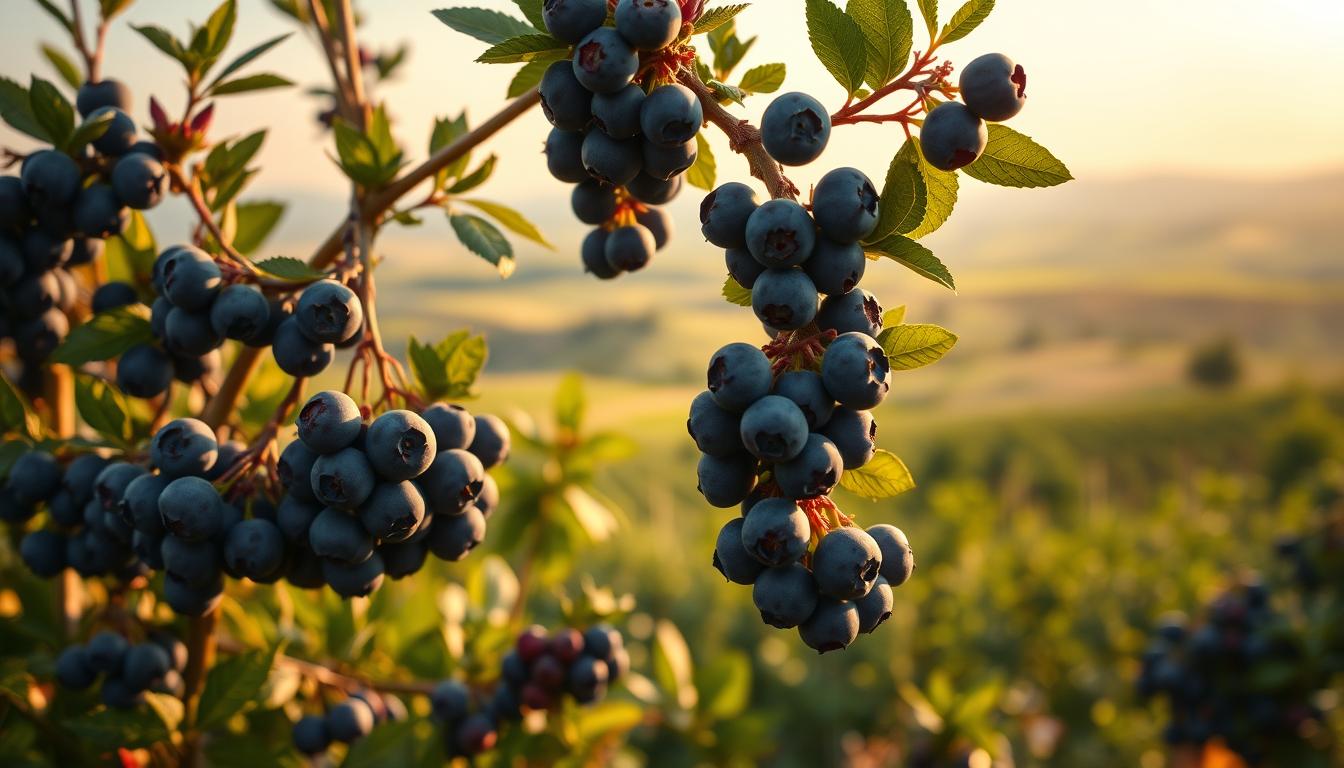
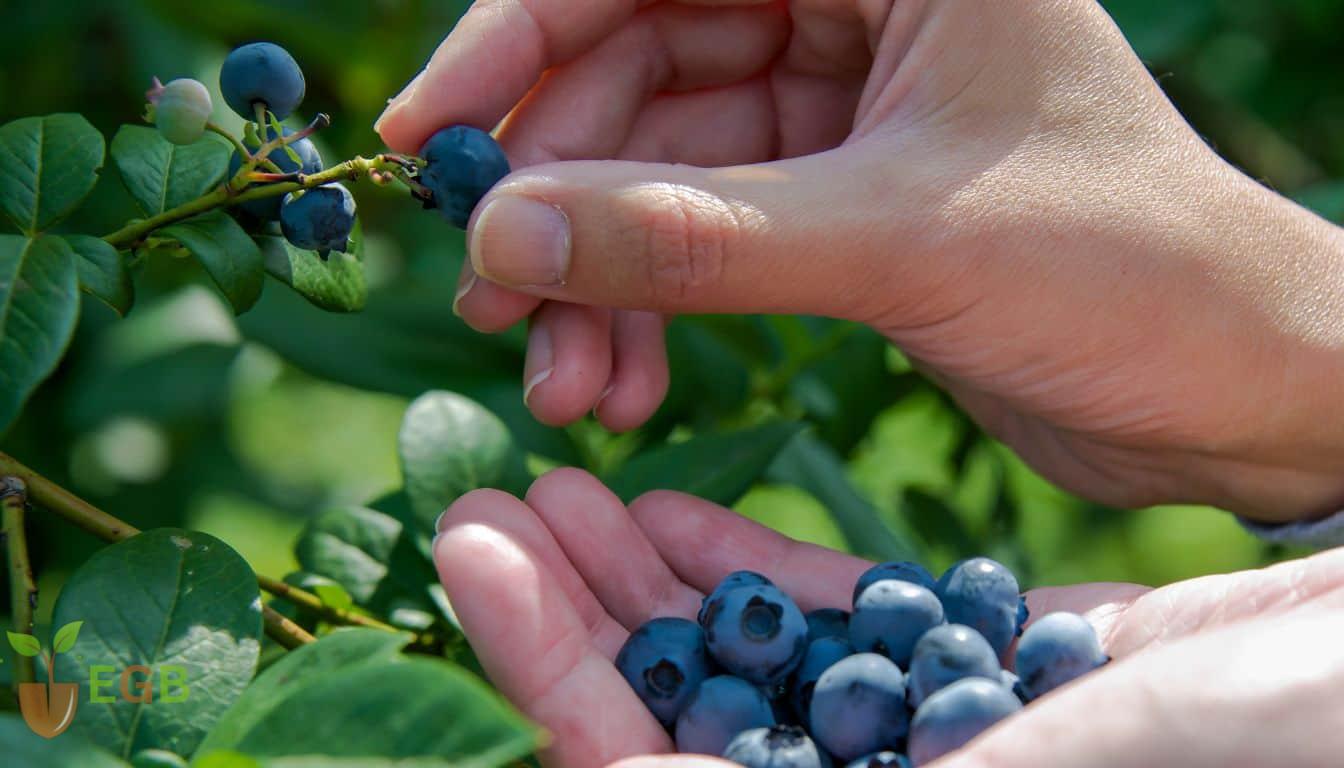
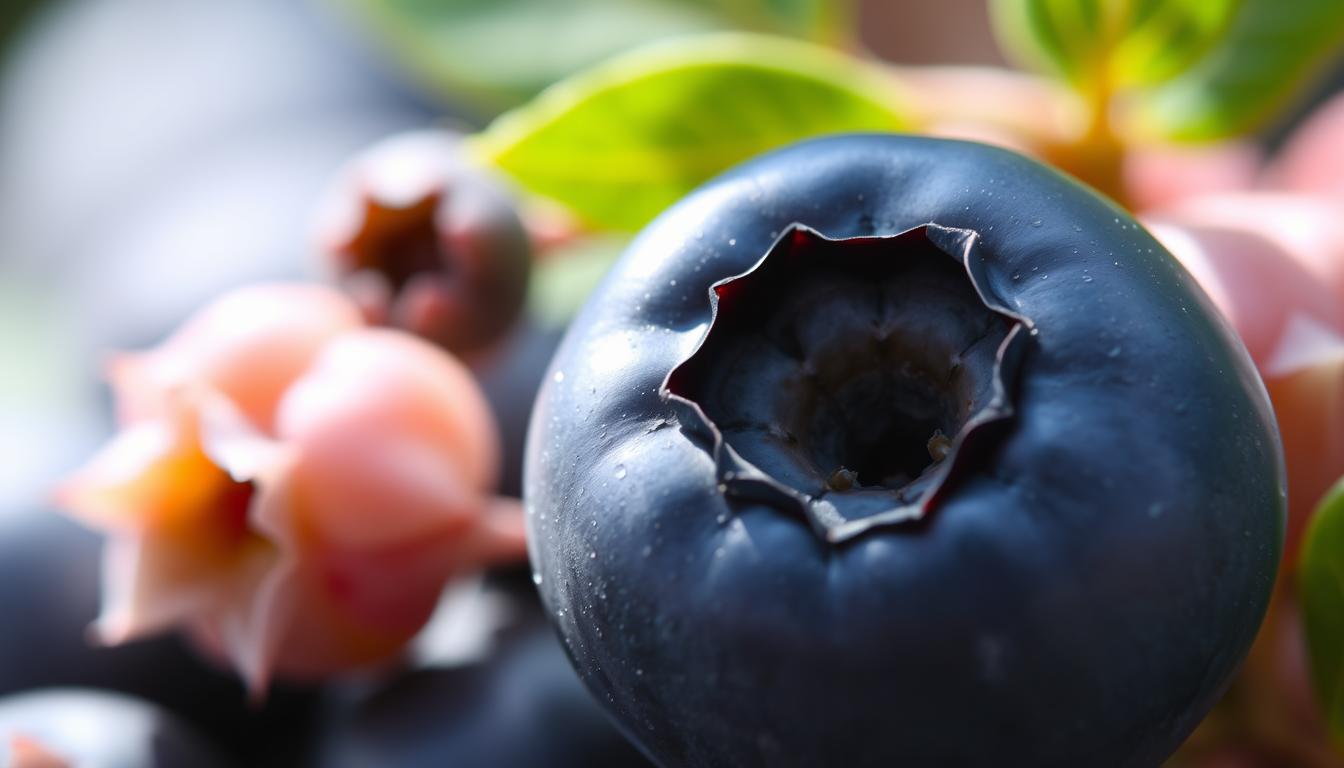
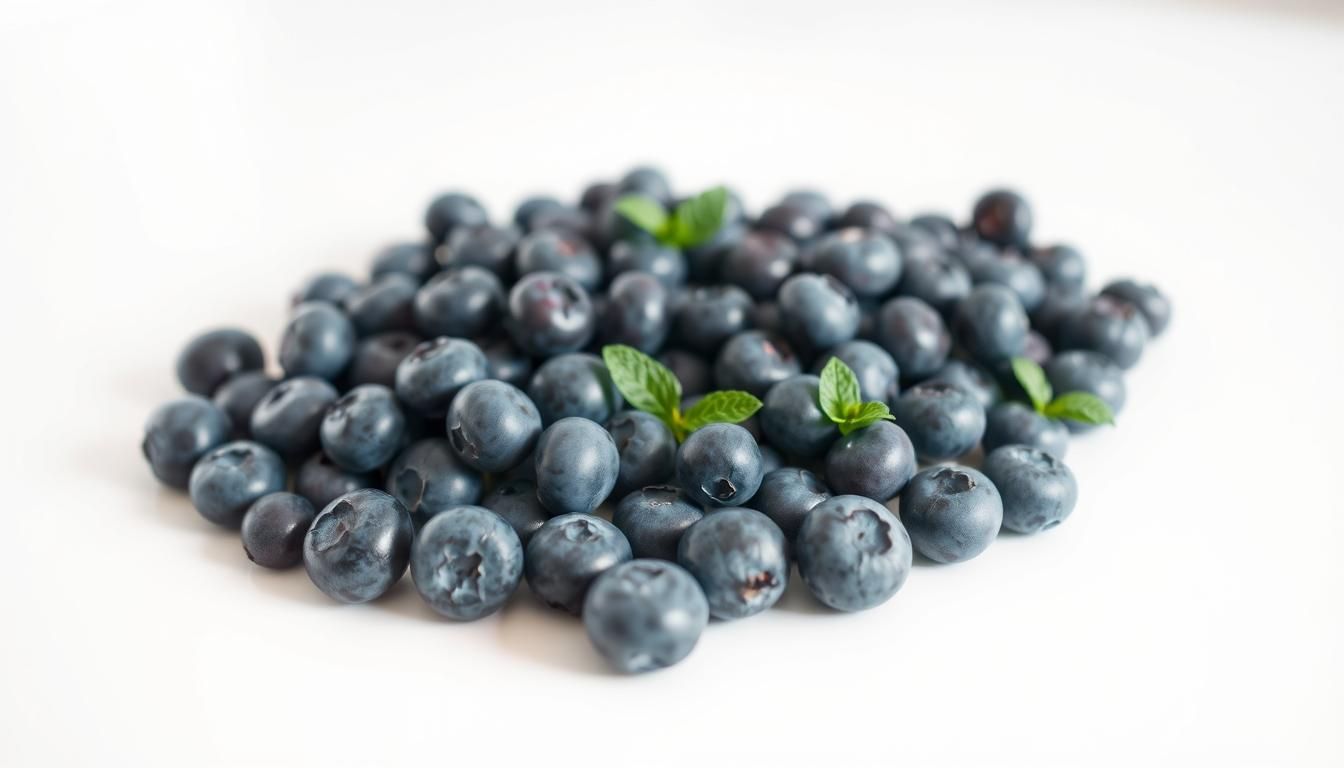
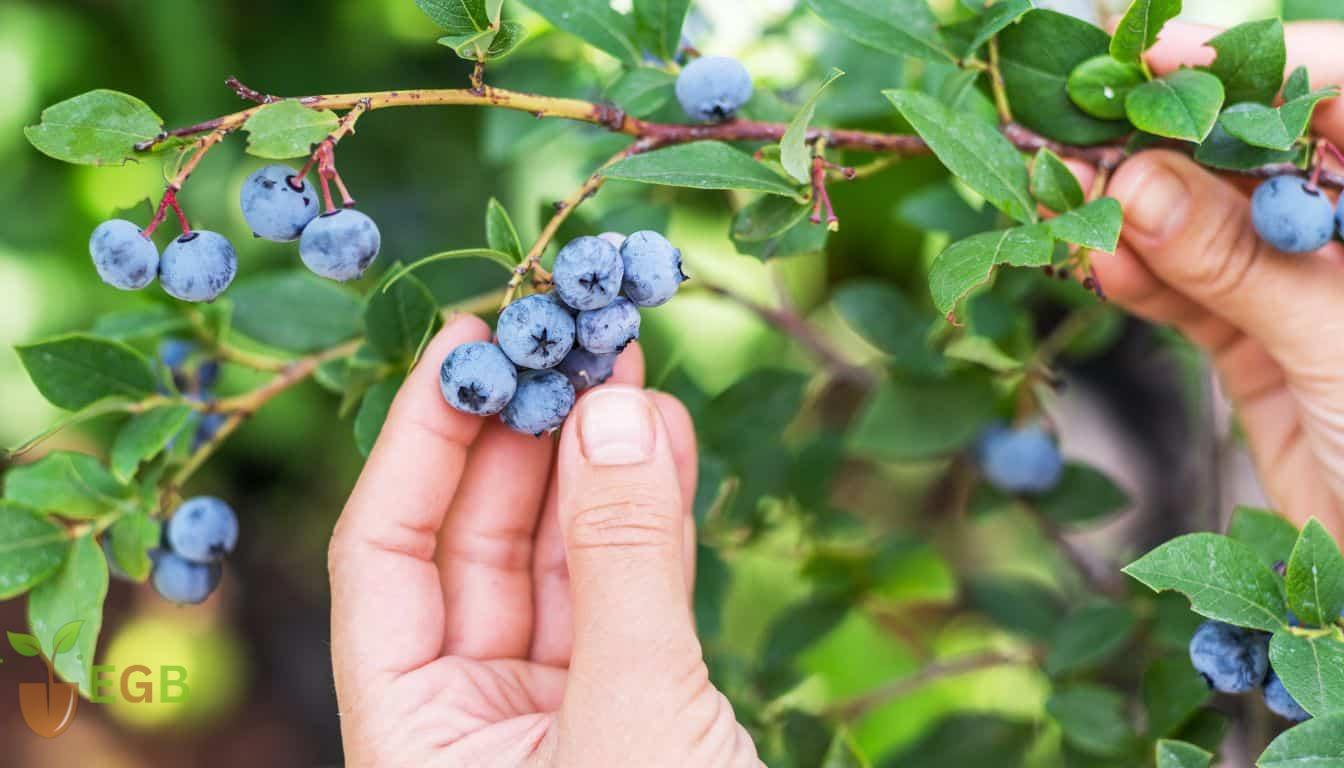
It’s important to pick blueberries when they’re ripe for the best taste. Look for berries that are deep purple-blue, with no green or red. Ripe berries come off the stem easily when pulled gently.
Picking at the right time not only enhances the taste but also makes the experience more enjoyable. With the right timing and color check, I always get the freshest blueberries.
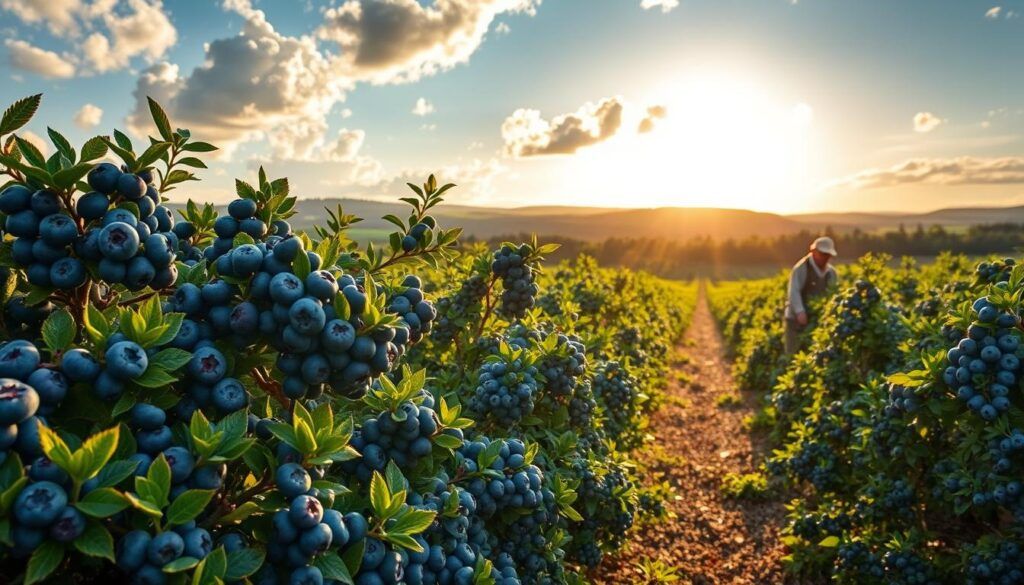
Best Places to Pick Your Own Blueberries
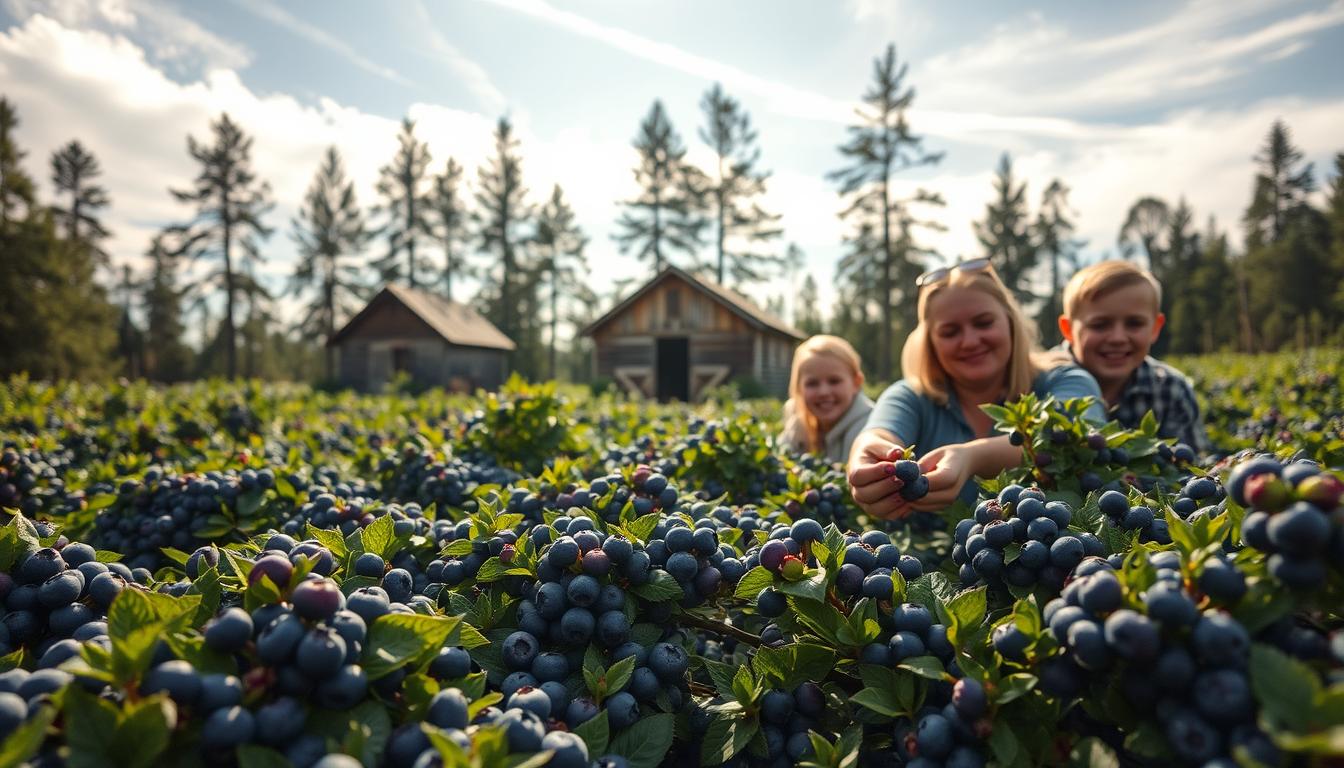
For those who love blueberry picking, finding the right local farms is crucial. These farms not only support local agriculture but also offer a great U-Pick experience. It’s a fun way to enjoy nature and support local farmers.
Local Farms and Orchard Listings
Across the United States, many local farms open their fields for U-Pick experiences. Some top places for blueberry picking include:
- Michigan – Known for its vast fields of blueberries and family-friendly farms.
- North Carolina – Offers some of the earliest seasons, with many options for picking.
- New Jersey – A historical area for blueberry farming, providing numerous U-Pick locations.
- California – Featuring diverse blueberry varieties and beautiful landscapes.
Tips for a Successful U-Pick Experience
To enjoy your time at local blueberry farms, follow these tips. Arrive early to pick in cooler temperatures. Bring your own containers to avoid squishing the berries.
Before you go, check the farm’s harvest conditions. This will help you make the most of your visit and have a great time.
Health Benefits of Eating Blueberries
Blueberries are more than just a tasty snack. They are packed with health benefits that can boost your diet. Their bright blue color means they are full of nutrients. Blueberries are great for your health, thanks to their nutritional value and antioxidant properties.
Nutritional Value of Fresh Blueberries
Blueberries stand out in terms of nutritional value. A one-cup serving has:
| Nutrient | Amount |
|---|---|
| Calories | 84 |
| Fiber | 3.6g |
| Vitamin C | 24% of the RDI |
| Vitamin K | 36% of the RDI |
| Manganese | 25% of the RDI |
This shows why blueberries are an excellent choice for boosting vitamins and minerals in your diet.
The Antioxidant Power of Blueberries
Blueberries are known for their strong antioxidant properties. They are rich in anthocyanins, which give them their vibrant color and numerous health benefits. Studies show that eating blueberries regularly can:
- Combat oxidative stress, which can lead to chronic diseases.
- Support heart health by improving cholesterol levels.
- Enhance brain function and potentially reduce the risk of cognitive decline.
- Help in reducing inflammation throughout the body.
Ways to Enjoy Blueberries in Season
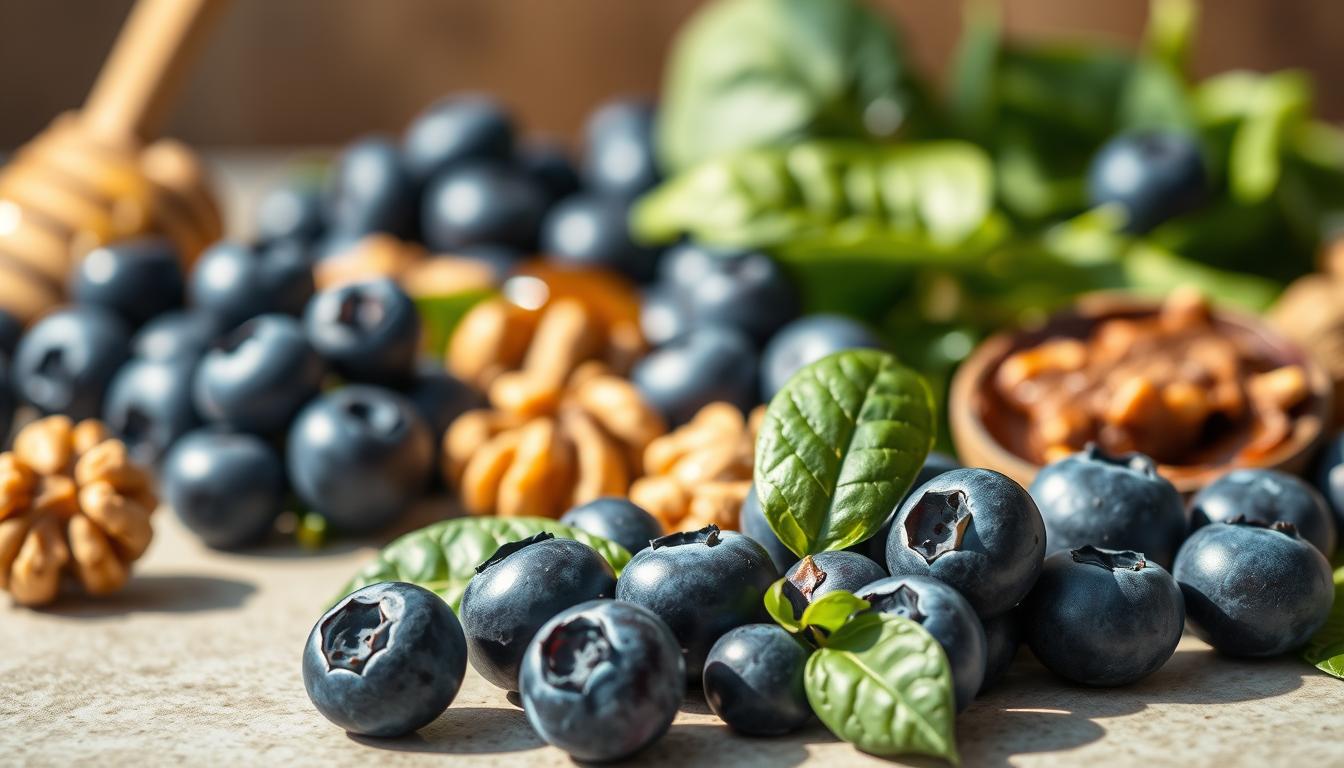
Blueberries are more than just a tasty snack. They offer a world of flavors and health benefits. I enjoy experimenting with different blueberry recipes to showcase their natural sweetness. From smoothies to desserts, blueberries add excitement to any meal. Let’s explore some tasty ways to use blueberries.
Delicious Recipes Featuring Fresh Blueberries
Smoothies are a top pick for using blueberries. Mixing them with yogurt and banana makes a refreshing drink perfect for any time. Here are some other great ideas:
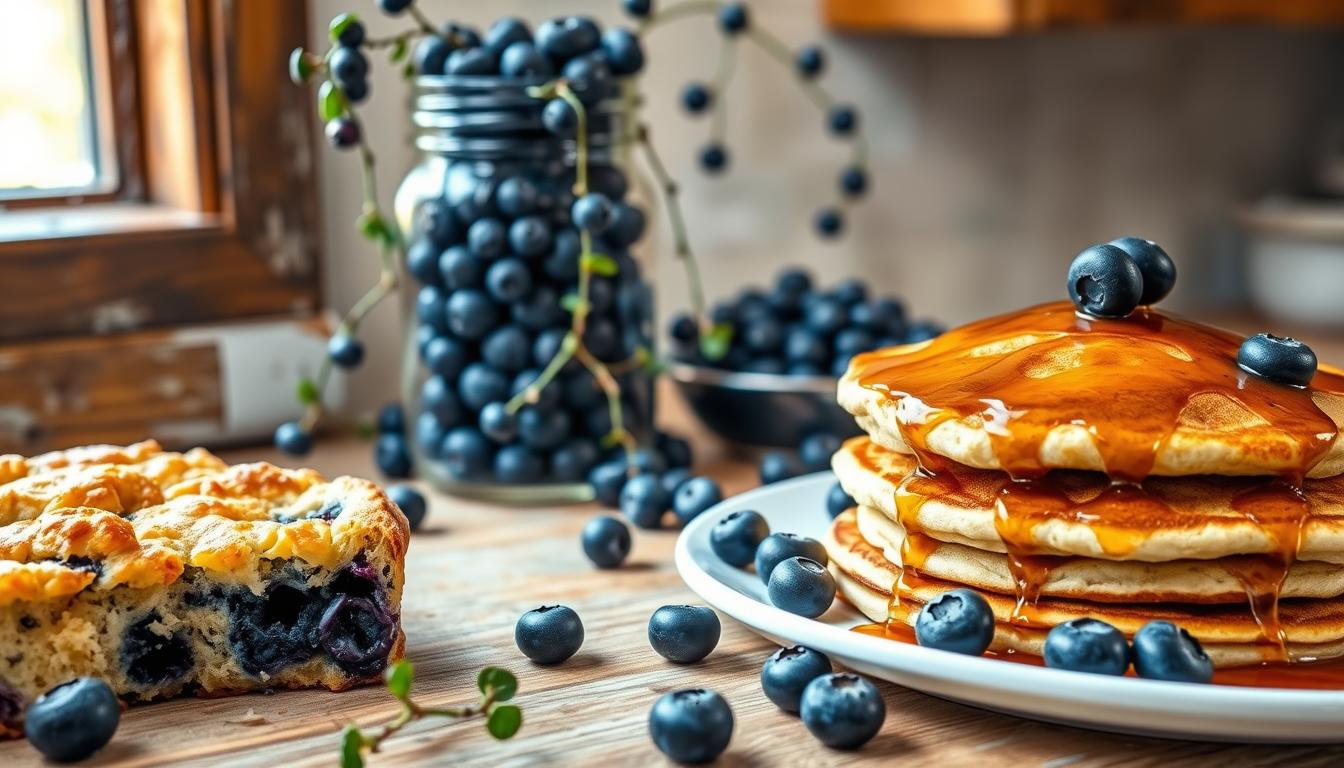
- Blueberry Muffins: A favorite for breakfast or brunch.
- Blueberry Salad: Add fresh blueberries to a summer salad with greens and nuts.
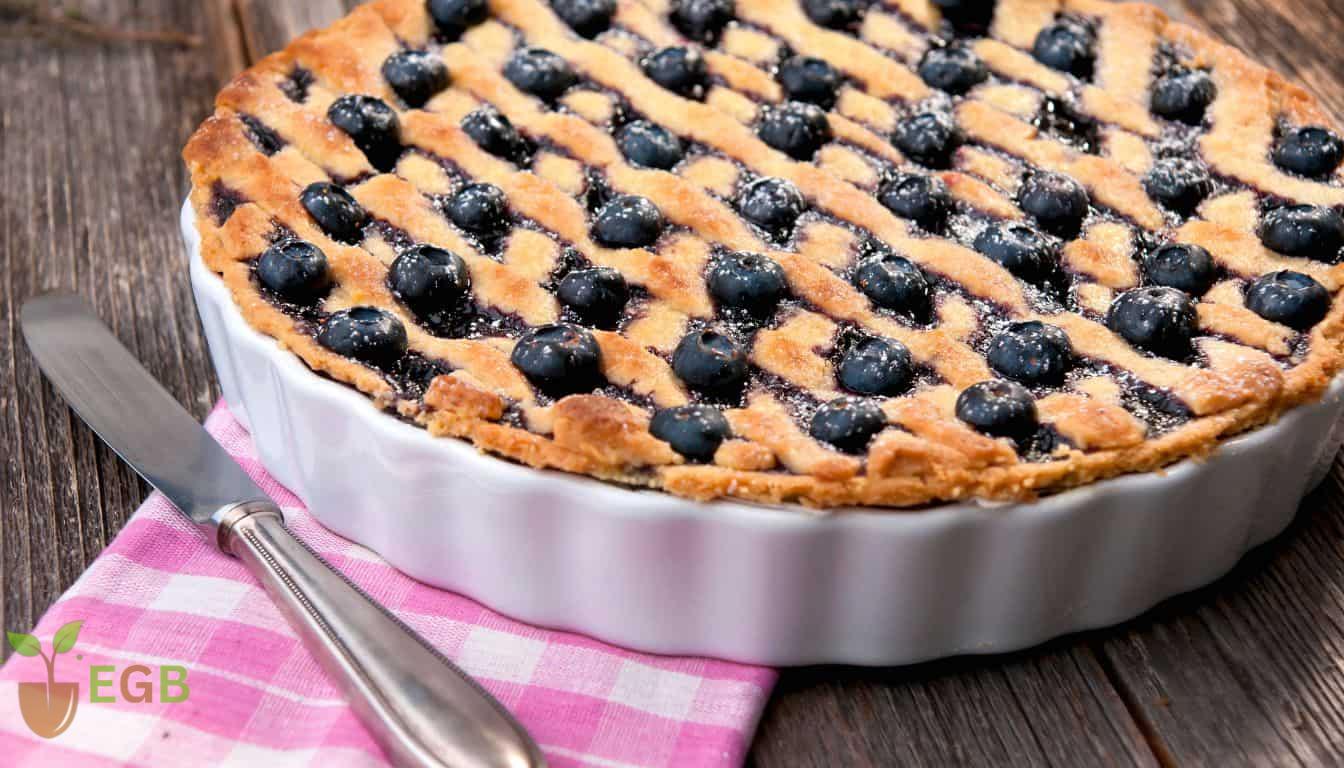
- Blueberry Cobbler: A warm dessert that showcases the fruit’s sweetness.
- Blueberry Pancakes: Berries in pancakes make mornings special.
Jams, Jellies, and Preserves to Make
Creating blueberry preserves allows me to enjoy the taste of summer all year round. It’s rewarding to make homemade spreads for breakfast or snacks. Here’s a simple guide to different blueberry preserves:
| Type | Main Ingredients | Texture | Usage |
|---|---|---|---|
| Blueberry Jam | Blueberries, sugar, pectin | Thick and spreadable | Toast, desserts |
| Blueberry Jelly | Blueberry juice, sugar, pectin | Clear and smooth | Sandwiches, glazes |
| Blueberry Preserves | Whole blueberries, sugar, pectin | Chunky | Pies, toppings |
Trying out these recipes and making preserves can change the way you view blueberries. Each method highlights its unique flavors, making them unforgettable for everyone.
Buying Blueberries – What to Look For
When I buy blueberries, I look for quality. Selecting the best blueberries enhances the quality of my snacks and recipes. It’s important to know the difference between fresh and frozen blueberries.
Choosing Fresh vs. Frozen Blueberries
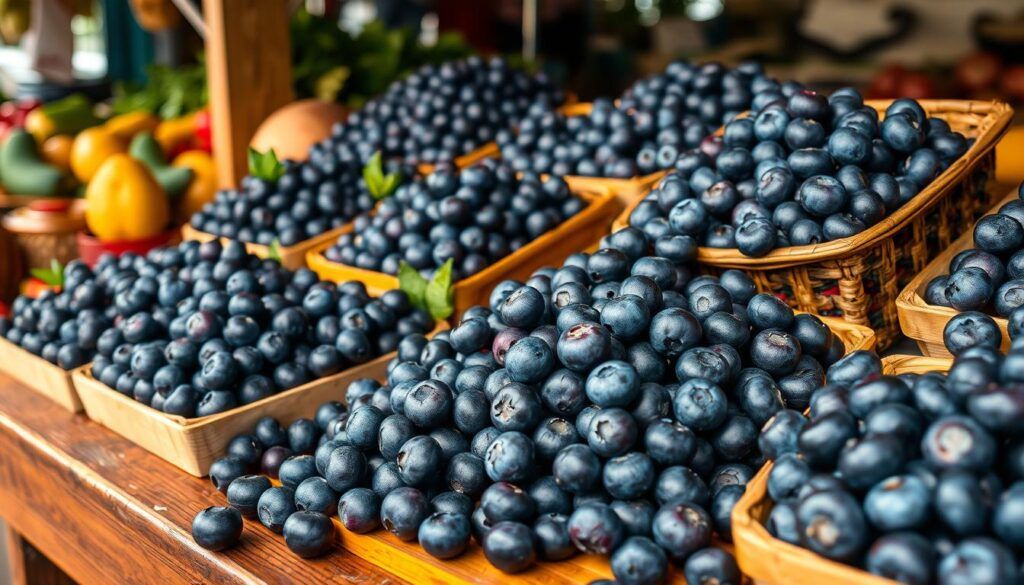
Fresh blueberries should be plump and firm. They should be deep blue and without bruises. If fresh blueberries aren’t available, frozen ones are a good choice.
Frozen blueberries are picked at the peak of ripeness and frozen right away. This keeps their nutrients. I find frozen blueberries work well in smoothies or baked goods.
Organic vs. Conventional Blueberries
I often pick organic blueberries. They have less pesticide residue than conventional ones. Organic blueberries are more expensive, but they give me peace of mind.
Conventional blueberries are still healthy and cheaper. Both types are nutritious and taste great. It’s up to you to decide what’s best for your needs.
Preserving Blueberries for Off-Season Use
To enjoy blueberries all year, I freeze and can them. These methods let me enjoy fresh blueberries in many recipes. They’re perfect for keeping the sweet taste of blueberries alive.






Freezing Techniques for Fresh Blueberries
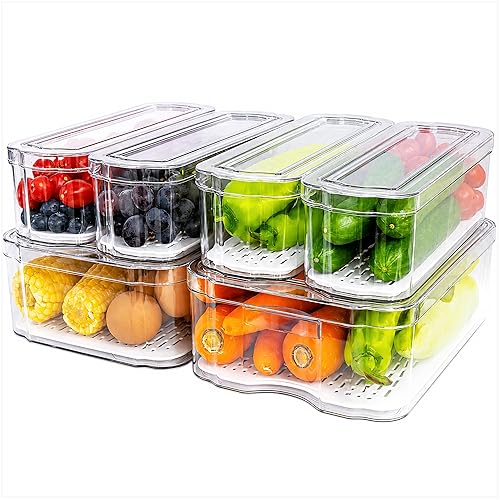
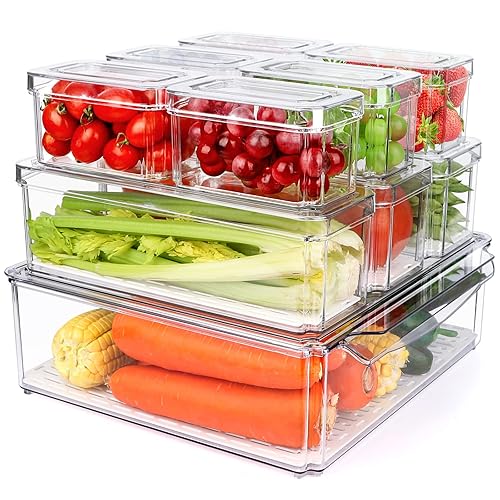
Freezing blueberries is easy and keeps them fresh. I wash and dry them first to remove dirt. Then, I lay them out on a baking sheet, making sure they don’t touch.
This stops them from sticking together. Once they’re frozen, I put them in airtight containers or bags. This way, I can use just what I need, keeping their taste and texture great.
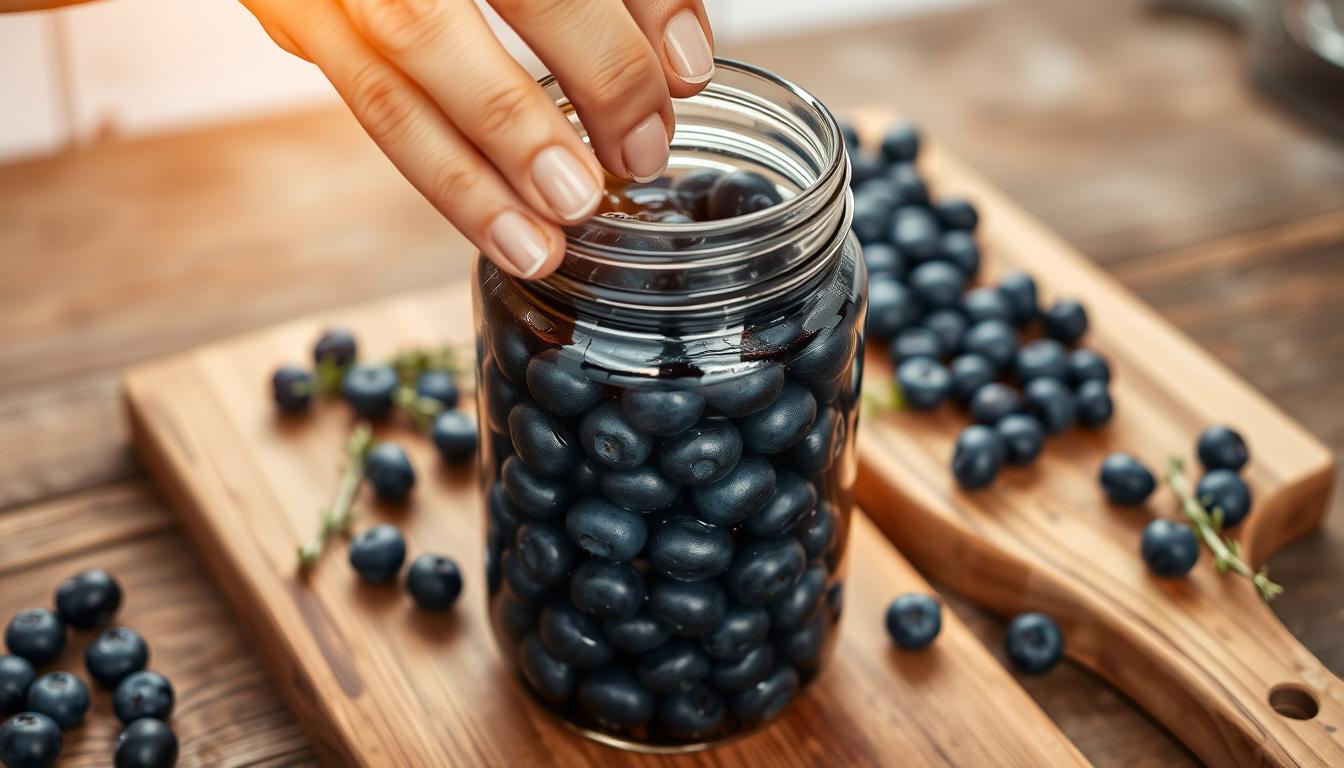
Canning Blueberry Goodness
Canning blueberries is another tasty way to preserve them. I cook the berries with sugar and a bit of lemon juice. This makes them extra flavorful.
After they thicken, I fill sterilized jars with the hot blueberries. Then, I seal them up tight. Canned blueberries last months, ready for pies, muffins, or just enjoying on their own. Canning fills my kitchen with summer smells.
Fun Facts About Blueberries
Blueberries are not just tasty; they have a rich history. They have deep roots in American culture and traditions. From Native American uses to today’s cooking, blueberries are special to us.
Blueberries in American History
For centuries, blueberries have been a part of American life. Native Americans used them for food and medicine. Early settlers adopted these practices, growing their love for blueberries.
Today, blueberries are in many American dishes. They play a big role in our food culture.
The Role of Blueberries in Various Cultures
Blueberries are loved worldwide. In summer, many places hold blueberry festivals. These events celebrate the fruit and local traditions.
They feature yummy foods, crafts, and fun activities. It’s impressive to see how different cultures use blueberries in their cooking.
| Culture | Significance | Traditional Dishes |
|---|---|---|
| Native American | Used for food and medicine | Blueberry pudding, dried blueberries |
| American | Summer celebrations and festivals | Blueberry pie, muffins |
| European | Incorporated in various desserts | Blueberry tarts, jams |
Learning about blueberries shows us their importance. They have traveled through time and cultures, touching our hearts and plates.
Blueberries and Sustainability
Choosing sustainable blueberry farming helps the environment and supports local farmers. Small-scale growers employ methods that minimize chemical use and promote biodiversity. Buying blueberries from local farms helps keep our ecosystem healthy and supports our community.
Eco-Friendly Farming Practices
Many blueberry farmers use sustainable methods. They use organic fertilizers to enrich the soil without harming it. Crop rotation keeps nutrients in the soil and controls pests naturally.
They also save water with drip irrigation. This method reduces waste and promotes healthy plant growth.
Supporting Local Farmers
Buying blueberries from local farms connects me to my food. It boosts the local economy and encourages eco-friendly farming. Supporting these farmers helps them succeed while caring for the environment and practicing ethical agriculture.
Challenges in Blueberry Farming
Blueberry farming faces many challenges that need careful planning and hard work. Farmers must deal with pests and the effects of climate change. Pests like the spotted wing drosophila can harm berry yields, causing financial losses. It’s essential to manage pests effectively to protect crops.
Common Pests and How They’re Managed
Pests are a big problem on blueberry farms. The spotted wing drosophila can damage ripe fruit. Farmers use a mix of methods to control pests, like biological and cultural controls.
They also watch for pests regularly. This helps them act fast when pests are found.

Climate Change Effects on Blueberry Crops
Climate change affects blueberry farming a lot. Changes in weather patterns affect plant growth and their ability to fight pests and diseases. Unpredictable weather can cause problems such as reduced pollination and water shortages.
Farmers need to adapt their methods to these changes. This is crucial for maintaining healthy and sustainable blueberry production.
The Future of Blueberry Cultivation
The future of growing blueberries looks bright with new varieties on the horizon. These new types not only taste better but also fight off diseases more effectively. As someone who loves blueberries, I’m thrilled to see how farming is evolving.
New Varieties and Farming Techniques
Growers are now looking at special hybrids that can grow well in different climates. These new types help us grow blueberries longer, which is great for meeting demand. Additionally, new farming methods, such as precision agriculture, help increase yields while being more environmentally friendly.
Trends in Blueberry Production
Examining today’s trends, we observe a significant push for sustainability. Eco-friendly farming is not just a trend; it’s a must for farming. With tech like drones and soil sensors, farming is getting smarter. This helps blueberry production keep up with its growing popularity.
Frequently Asked Questions (FAQ): When are Blueberries in Season?
When are blueberries in season?
How do I know when blueberries are ripe for picking?
What are the best places to pick fresh blueberries?
What health benefits do blueberries offer?
What are some delicious ways to enjoy blueberries?
How should I pick and store blueberries to keep them fresh?
What are organic vs. conventional blueberries?
How do climate and location affect blueberry harvest times?
What challenges do blueberry farmers face?
What’s the future of blueberry cultivation?
Final Thoughts: Timing Your Blueberry Enjoyment
When the summer sun is out, blueberry season is in full swing. I love picking these tasty berries. Knowing when to go makes all the difference.
Whether you follow tips or trust your gut, the joy of fresh blueberries is priceless. It’s all about timing.
My own blueberry adventures have taught me patience and how to spot the perfect berry. The excitement of filling my basket is unmatched. And at home, I enjoy making everything from smoothies to pies with them.
Enjoying blueberries is more than just a treat. It’s a chance to learn and share with loved ones. It’s a way to make lasting memories.
Further Recommendations:
- Winterproofing the Garden
- A Beginner’s Guide to Growing Lettuce
- Exciting Edible Mushrooms
- Homesteading
- Beginner’s Guide to Growing Tomatoes
- The ultimate guide to growing Serrano Peppers in pots
- Ultimate Guide to Strawberries
- Discover the World of Peppers
- What are Heirloom Strawberries
- What not to plant with strawberries
- When to transplant strawberries
- Best Organic Fertilizers for Strawberries
- What is a Strawberry Tree?
- Stylish Gardening Arm Sleeves for Gardening
- What animals eat strawberries
- Do strawberries grow on trees?
- Best Outdoor Composting Bins
- Ultimate Guide to Kiwi Fruit
- Understanding Mushrooms
- How much cold can strawberries tolerate?
Video: Picking Blueberries
Reference Links
- Home Drying Foods – USU
- Food Drying – National Center for Home Food Preservation

Leave a Reply