

Ever wondered how to turn fresh blueberries into tasty, long-lasting snacks? What if you could keep your summer harvest going all year?
Learning to dehydrate blueberries is a great skill for anyone who loves cooking at home. It makes your blueberries last longer and adds a new ingredient to your recipes.
This guide will show you how to dry blueberries from start to finish. You’ll learn how to pick the best berries and how to store them. It’s perfect for both seasoned food preservers and curious cooks.
Key Takeaways
- Dehydrate blueberries at 135°F for 8-18 hours
- Ensure berries contain less than 10% moisture after drying
- Choose between dehydrator, oven, or sun drying methods
- Properly stored dried blueberries last 6-12 months
- Rehydrate by soaking in hot water for 15-30 minutes
What Are Dehydrated Blueberries?
Dehydrating blueberries turns them into tasty, concentrated treats that you can enjoy all year. This simple method keeps most of the fruit’s nutrients while removing moisture.

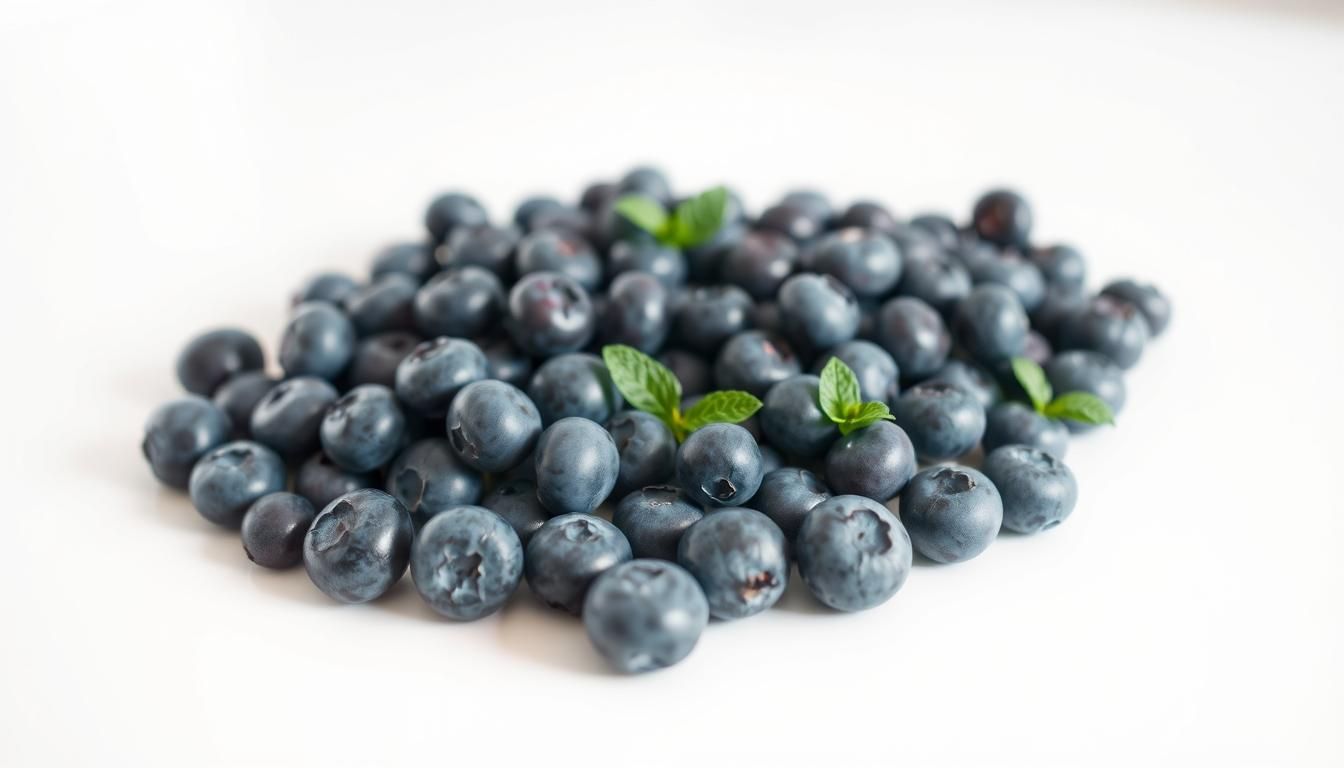
Dehydrated blueberries are just fresh blueberries with most of their water gone. This method makes them sweeter and turns them into a light, easy snack that lasts for months.
Benefits of Dehydrating Blueberries
- Extended shelf life up to 1 year
- Concentrated nutritional density
- Convenient portable snack
- Reduced storage space
- Versatile ingredient for cooking
Nutritional Value of Dehydrated Blueberries
Dehydrating blueberries keeps most of their nutrients. Some vitamins may decrease slightly, but they still offer many health benefits.
| Nutrient | Amount per 1/4 Cup |
|---|---|
| Calories | 100 |
| Fiber | 3g |
| Vitamin C | 10% Daily Value |
| Antioxidants | High concentration |
Drying blueberries makes a snack that’s full of nutrients. It’s all about using the right dehydration methods to keep the flavor and nutrition.
Why Dehydrate Blueberries?
Dehydrating fresh blueberries is a fun way to keep this superfruit fresh for longer. It’s not just about saving the fruit. It changes how you cook and what you snack on.

Dried blueberries open up new cooking ideas and make the fruit last longer. Here’s why you should try it:
- Dramatically extends shelf life up to 6-12 months
- Concentrates natural sweetness and nutritional value
- Creates portable, lightweight snacks
- Reduces food waste
Extended Shelf Life
Dehydrated blueberries become a long-lasting pantry item. They go from a short-lived fruit to a lasting one. The drying process removes moisture, stopping bacteria and preserving nutrients. A well-dried batch can last up to a year in a sealed container.
Versatile Uses in Cooking and Snacking
Dehydrated blueberries are versatile. Add them to oatmeal, mix into trail mixes, or bake into muffins. They’re also great as a snack. Their strong flavor and chewy texture make them a healthier choice than sugary snacks.
Pro tip: Dried blueberries contain only 127 calories per quarter cup and are packed with antioxidants!
Learning how to dehydrate fruits like blueberries is a smart move. It lets you enjoy blueberries all year while getting the most nutritional benefits.
Choosing the Right Blueberries
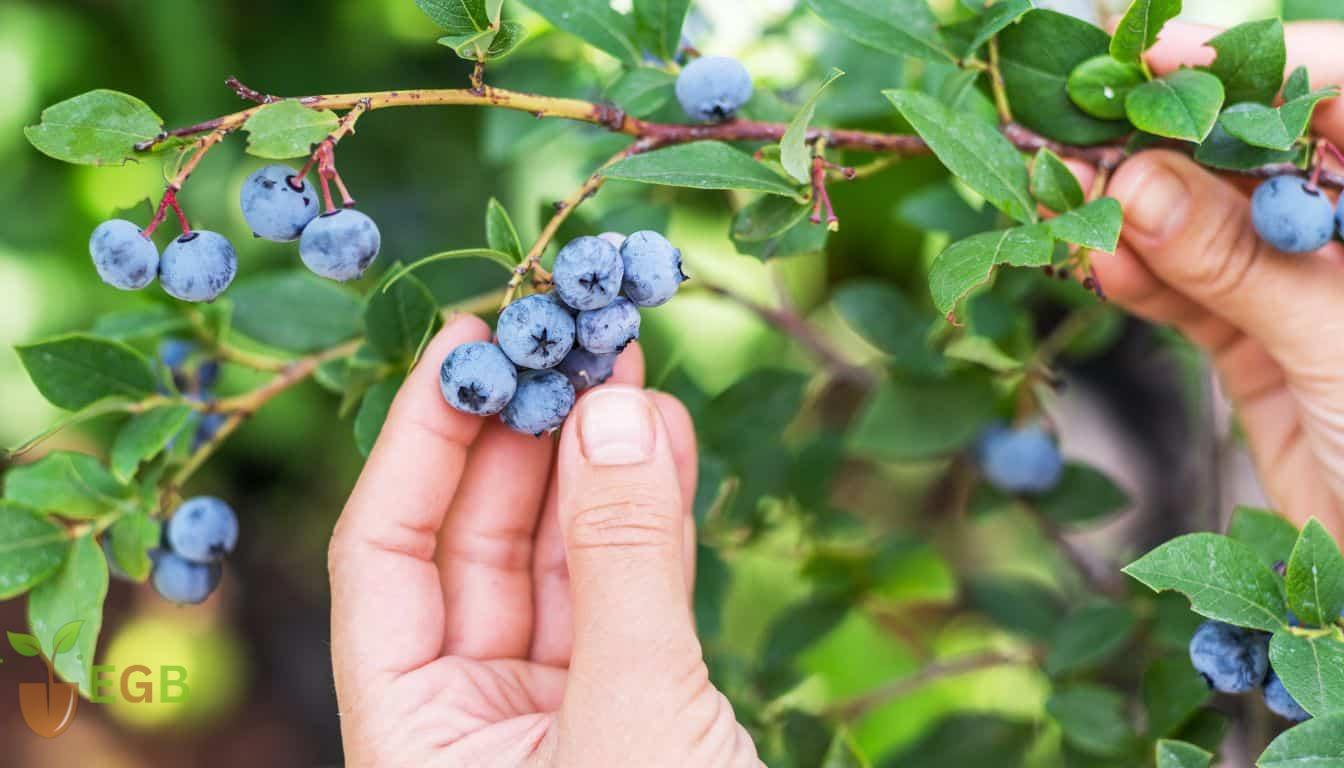
Choosing the perfect blueberries is key for your blueberry dehydrator guide. The quality of your dehydrated blueberries depends on picking the best fruit. This is important for dehydrating blueberries at home.

Your blueberry selection is crucial for your dehydration project. Not all blueberries are the same. Knowing how to pick the right ones will give you delicious results.
Fresh vs. Frozen Blueberries
When dehydrating blueberries, you have two main choices:
- Fresh blueberries from local farms or gardens
- Frozen blueberries from grocery stores
Fresh blueberries usually have better flavor and texture. They taste more intense and keep their shape better during dehydration.
Selecting Quality Blueberries
When picking blueberries for dehydration, look for these traits:
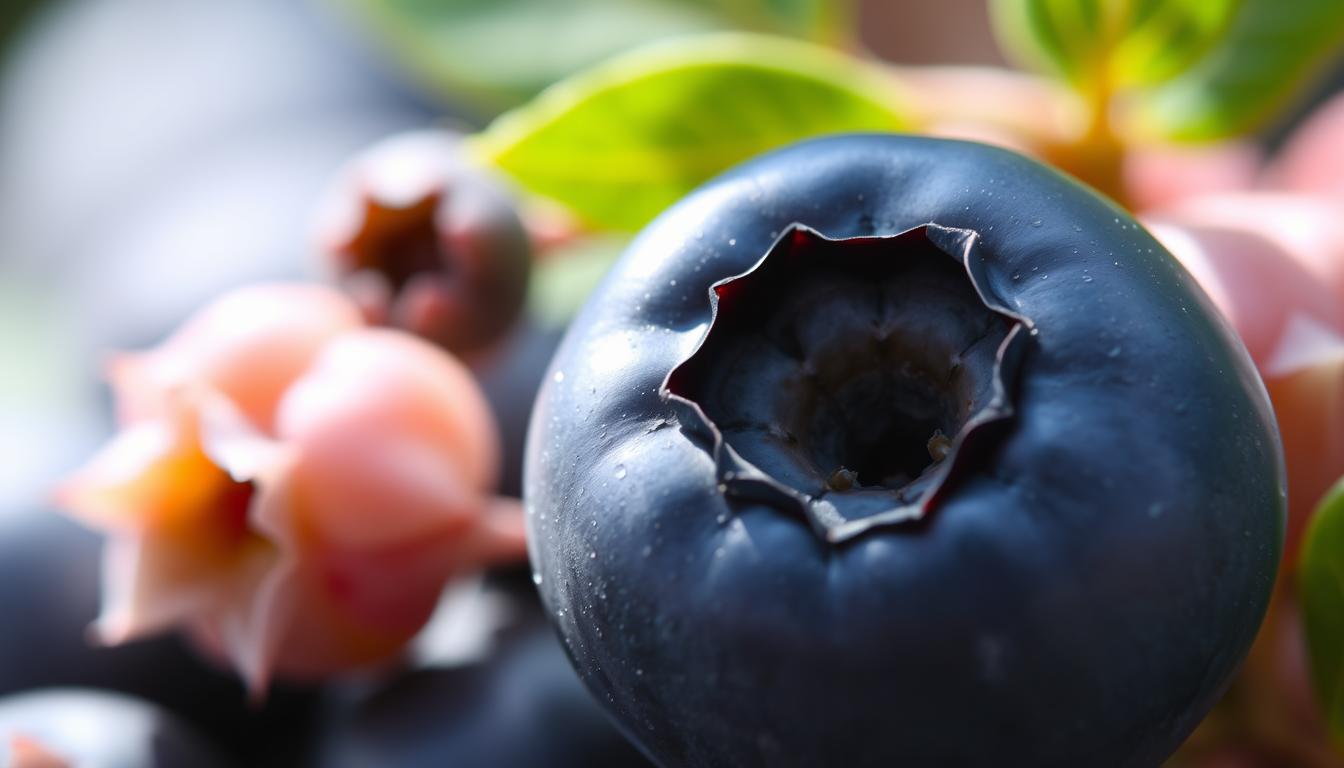
- Firm, plump berries with deep blue color
- No signs of mold or bruising
- Uniform size for consistent drying
- Organic or pesticide-free options preferred
Pro tip: Mix blueberry varieties like Duke and Bluecrop for complex flavors. Your homemade dried blueberries will be a tasty, healthy snack that’s better than store-bought.
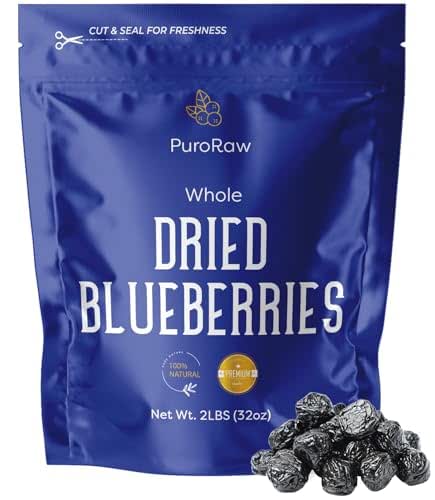
Preparing Blueberries for Dehydration
Learning how to dehydrate blueberries starts with preparation. Cleaning and sorting are key to great results. They help preserve the berries well.

- Large colander
- Clean kitchen towels
- Large mixing bowl
- Soft brush or paper towels
Rinsing and Cleaning Techniques
Cleaning blueberries needs care. Rinse them under cool water. Use a soft brush or a paper towel to remove dirt.
Avoid soaking the berries. This can make them too wet, which can affect the drying process.
Sorting and Removing Imperfections
For the best dehydrated blueberries, sort them well. Take out:
- Stems and leaves
- Bruised or damaged berries
- Unripe or overripe fruits
Choose berries that are the same size and ripe. They should be deep blue. Pat them dry with a towel before dehydrating.
Remember, quality preparation is the key to successful blueberry dehydration!
Methods of Dehydrating Blueberries
Drying blueberries is a great way to keep their nutrients and make them last longer. There are several ways to dry blueberries, each with its own benefits and considerations.

When you start making dried blueberries, you’ll find three main ways: using a food dehydrator, oven drying, and sun drying. Your choice depends on the equipment you have, the time you have, and your personal preference.
Food Dehydrator Method
A food dehydrator is the most efficient way to dry fruit. These machines control temperature and airflow well, so your blueberries dry evenly. The main benefits are:
- Precise temperature control (115-130°F)
- Faster drying time (16-20 hours)
- Consistent results
- Can accommodate up to 10 trays

Oven Drying Technique
Oven drying is a good option if you don’t have a dehydrator. Here’s how to do it:
- Preheat your oven to 120-210°F.
- Spread blueberries on baking sheets.
- Leave the oven door slightly ajar for ventilation.
- Check the berries every few hours.
Sun Drying Method
Sun drying is the oldest method for drying blueberries. Weather conditions are very important for this method. The best weather is:
- Ambient temperature around 100°F
- Low humidity
- Direct sunlight
- Protection from insects with fine mesh
No matter which method you choose, the goal is the same: make tasty, long-lasting blueberries that keep their nutrients.
How to Use a Dehydrator
Learning to use a dehydrator is key to making dried blueberries at home. These fruits make a tasty, healthy snack that lasts a long time.
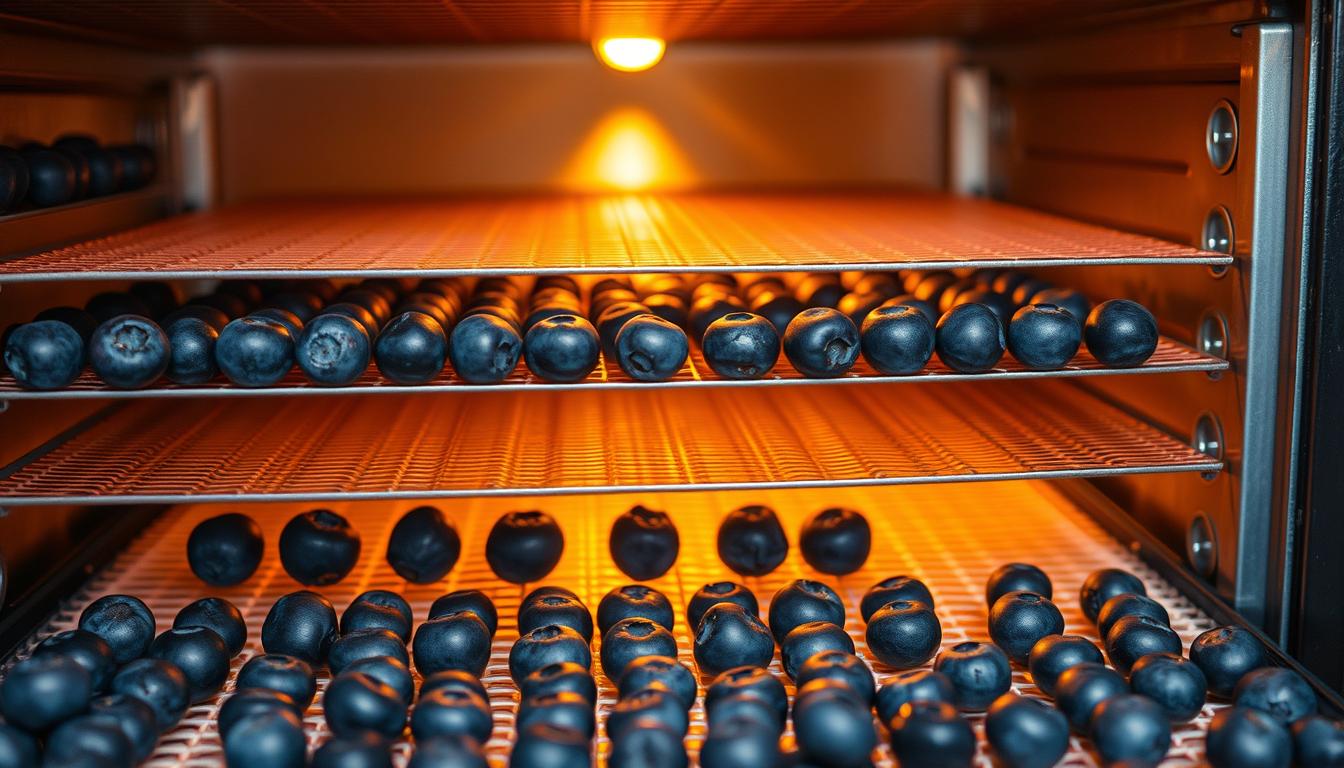
Getting your dehydrator ready is the first step to perfect dried blueberries. Success depends on a few crucial factors.
Setting the Perfect Temperature
The best temperature for drying blueberries is about 135°F (57°C). This temperature keeps nutrients in and moisture out. Remember these tips:
- Keep the temperature steady during drying
- Stay away from temperature changes that harm the berries
- Double-check your dehydrator’s temperature settings
Understanding Drying Times
Drying times for blueberries vary a lot. You’ll usually need 8 to 18 hours for them to dry completely. Keep these points in mind:
- How big the blueberries are affects drying time
- Humidity changes drying time
- How wet the berries start affects drying time
“Patience is key when dehydrating blueberries – rushing the process can compromise your final product.” – Cindy Shephard, Chef
To check if blueberries are dry, drop them on a hard surface. If they make a clicking sound, they’re ready.
Pro tip: Don’t fill trays too much. Good airflow is key for even drying and preventing mold.
Oven Drying Tips
Drying blueberries in your home oven is a great option if you don’t have a dehydrator. It turns fresh blueberries into tasty dried snacks with just basic kitchen tools.
Learning how to dehydrate blueberries means knowing the correct oven techniques. It’s all about keeping the heat low and ensuring good air flow.
Optimal Temperature Settings
For drying blueberries, it’s essential to control the oven temperature accurately. Here are the best settings for oven drying:
- 135°F: Drying time approximately 10 hours
- 200°F: Drying time around 7 hours
- 225°F: Drying time roughly 3 hours
Pros and Cons of Oven Drying
| Pros | Cons |
|---|---|
| Convenient method | Higher energy consumption |
| No special equipment needed | Requires constant monitoring |
| Quick alternative to a dehydrator | Less consistent drying |
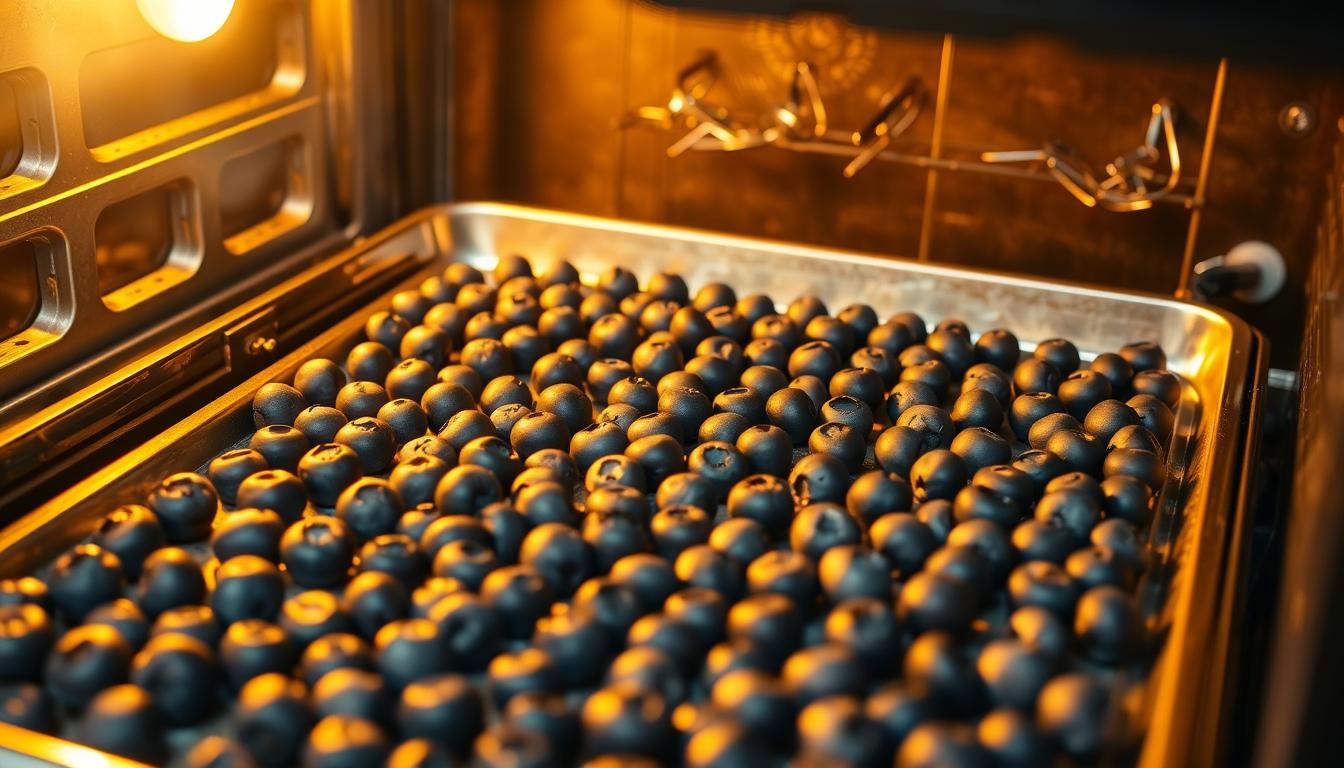
To dry blueberries in the oven, spread them on a baking sheet covered with parchment paper. Make sure there is space between each berry so air can circulate. Check and rotate the tray often for even drying.
Pro tip: Keep the oven door slightly open to let moisture out during drying.
Sun Drying Recommendations
Preserving blueberries through sun drying connects you with old traditions. It uses natural warmth and air to dry fresh blueberries into tasty treats. This method is different from using electric dehydrators.
Sun drying works best in the right weather. Look for days with good conditions for drying blueberries.

Ideal Weather Conditions
The best sun drying spot has certain conditions for blueberries:
- Temperatures above 98°F for drying
- Humidity levels below 60 percent
- Clear, steady sunlight all day
- Little wind to avoid dust
Preparing for Sun Drying
Getting ready for sun drying is key. Choose a clean, sunny spot that’s safe from bugs.
| Drying Surface | Recommended Material | Benefits |
|---|---|---|
| Drying Screen | Stainless Steel | Prevents oxidation, easy to clean |
| Screen Cover | Teflon-coated Fiberglass | Protects from insects, allows airflow |
| Elevation | Raised Blocks | Improves air circulation |
Take your blueberries inside at night. This stops them from getting wet again, which can disrupt the drying process.
Storing Dehydrated Blueberries
After making dried blueberries at home, it’s important to store them correctly. This keeps their taste and nutrients fresh. Dehydrating blueberries can make them last months, not just days.
Choosing the right storage method is key. It helps keep your dried blueberries tasting great.
Selecting Storage Containers
Choosing the proper containers is crucial for keeping your dried blueberries fresh:
- Airtight glass containers/jars with tight-sealing lids
- Vacuum-sealed bags
- Mylar bags with oxygen absorbers
- Plastic containers with secure locks
Best Storage Practices
Knowing how to store your dried blueberries is just as important as making them:
| Storage Location | Expected Shelf Life | Recommended Conditions |
|---|---|---|
| Cool, Dark Pantry | Up to 12 months | Below 70°F, Low Humidity |
| Refrigerator | Up to 18 months | Consistent Temperature, Minimal Moisture |
| Freezer | Up to 24 months | Zero Moisture, Sealed Container |
Here are some tips for storing your dehydrated blueberries:
- Always check for moisture before storing
- Use desiccant packs to absorb excess humidity
- Label containers with the date of dehydration
- Store away from direct sunlight

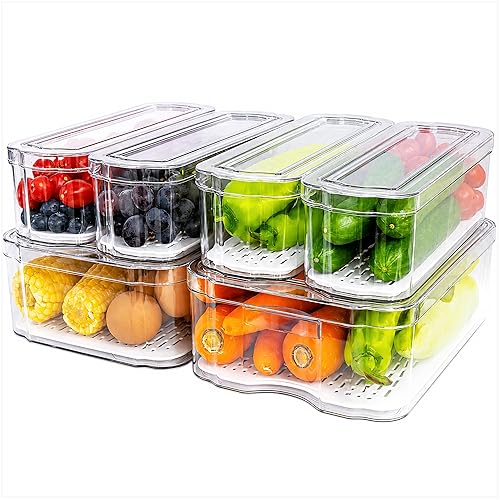

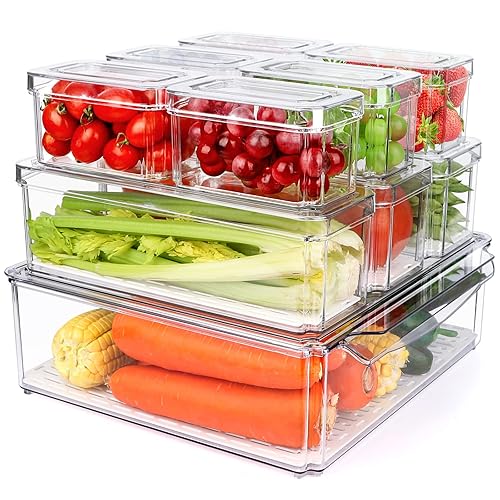

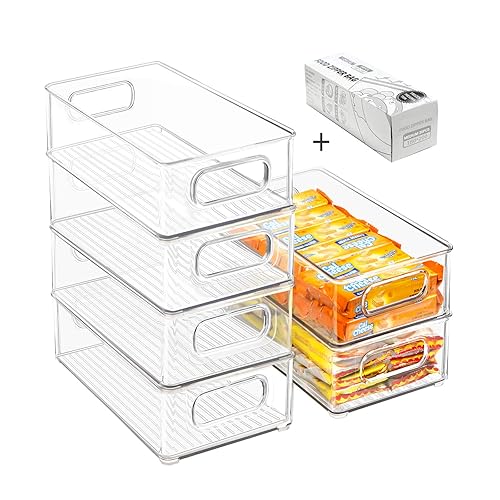


Please remember, proper storage ensures your homemade dried blueberries remain delicious and nutritious for months to come!
How to Rehydrate Blueberries
Learning how to revive dehydrated blueberries is key. Whether you’re making dehydrated blueberry recipes or want to boost your cooking, rehydrating is easy. It can make your dried berries come back to life.
Simple Rehydration Methods
Rehydrating blueberries is easy and can be done in several ways:
- Hot Water Soak: Cover dried blueberries with hot water for 10-15 minutes
- Room Temperature Liquid: Submerge in room temperature water for about 30 minutes
- Direct Recipe Integration: Add to recipes with liquid components
Tips for Cooking with Rehydrated Blueberries

Here are some tips for using rehydrated blueberries in your recipes:
- Drain excess water before adding to recipes
- Use within a few days to prevent spoilage
- Adjust liquid ratios in baking recipes
Remember, 1/3 cup of dried blueberries is equivalent to about 1 cup of fresh ones. This helps keep your dishes flavorful and with the correct texture.
Pro tip: Pat rehydrated blueberries dry with a paper towel to remove excess moisture before incorporating them into your favorite dishes.
Creative Ways to Enjoy Dehydrated Blueberries
Dehydrated blueberries are super versatile. They can change how you cook and snack. Whether you’ve dried your blueberries or are looking for new ideas, these suggestions will spark your creativity.
Breakfast Boost: Morning Meal Enhancements
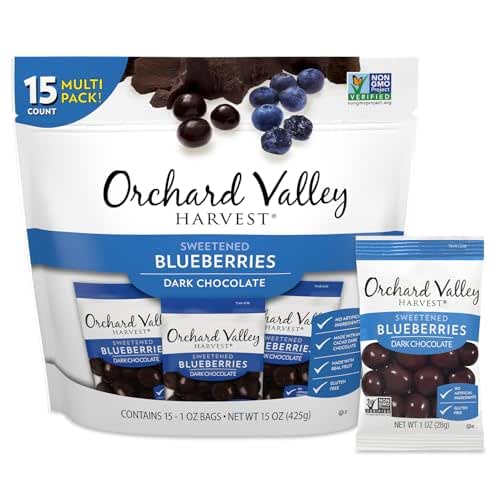
Begin your day with dehydrated blueberry recipes. They add nutrition and taste to breakfast. Try adding them to:
- Overnight oats
- Greek yogurt parfaits
- Homemade granola
- Pancake and waffle batters
Snack Attack: Trail Mix and Portable Treats
Make snacks that are packed with nutrients and easy to take on the go. Mix dehydrated blueberries with nuts, seeds, and other dried fruits. This way, you can create custom trail mixes that are both tasty and healthy.
Baking Brilliance: Sweet and Savory Creations
Using dehydrated blueberries in baking opens up new culinary doors. Try adding them to:
- Muffin recipes
- Bread loaves
- Cookies
- Scones
Pro Tip: When using dehydrated blueberries, reduce the liquid in your recipe by 1/3 to 1/2 of its original amount. This will help balance the flavor. Your preserving skills will show in these tasty treats!
Dehydrated blueberries can last for months, making them a convenient and nutritious pantry staple.

Frequently Asked Questions (FAQs): How to Dehydrate Blueberries
How long do dehydrated blueberries last?
Do I need a special dehydrator to dry blueberries?
How do I know when blueberries are completely dehydrated?
Can I dehydrate frozen blueberries?
What temperature is best for dehydrating blueberries?
Do dehydrated blueberries retain their nutritional value?
How can I prevent my blueberries from sticking during dehydration?
Can I rehydrate dried blueberries?
What are the best ways to use dehydrated blueberries?
How long does it take to dehydrate blueberries?

Final Thoughts: Enjoying Your Dehydrated Blueberries
Dehydrating blueberries at home turns them into a superfood. Your guide shows how easy it is to keep your favorite berries fresh longer. With just 10 minutes of prep and 8 hours of drying, you get a snack full of nutrients.
Dehydrating blueberries is more than just saving them. It lets you enjoy their flavor all year round, while keeping most of their nutrients. One cup of fresh blueberries becomes a small handful of dried ones, great for snacks or baking.





Storing your dried blueberries correctly is crucial. Please keep them in an airtight container in a cool, dark spot for up to 12 months. Remember to shake your containers daily during the first week to prevent moisture. Your homemade dried blueberries are not only tasty but also rich in antioxidants, which can reduce the risk of a heart attack by 32%.
Your blueberry dehydration journey is just starting. Try different drying methods, like countertop dehydrators or solar drying. Each batch is an opportunity to improve and discover new ways to enjoy these healthy berries. Happy dehydrating!
Further Recommendations:
- Winterproofing the Garden
- A Beginner’s Guide to Growing Lettuce
- Exciting Edible Mushrooms
- Homesteading
- Beginner’s Guide to Growing Tomatoes
- The ultimate guide to growing Serrano Peppers in pots
- Ultimate Guide to Strawberries
- Discover the World of Peppers
- What are Heirloom Strawberries
- What not to plant with strawberries
- When to transplant strawberries
- Best Organic Fertilizers for Strawberries
- What is a Strawberry Tree?
- Stylish Gardening Arm Sleeves for Gardening
- What animals eat strawberries
- Do strawberries grow on trees?
- Best Outdoor Composting Bins
- Ultimate Guide to Kiwi Fruit
- Understanding Mushrooms
- How much cold can strawberries tolerate?
Video: How to Dehydrate Blueberries
Reference Links
- Home Drying Foods – USU
- Food Drying – National Center for Home Food Preservation

Leave a Reply