

Ever thought if melons are actually berries? The answer might surprise you! Botanical classifications can change everything we think we know about fruits. They reveal surprising facts about melons being berries, challenging our usual views.
When we think of berries, we often picture small, sweet fruits. But science shows a different side. The world of botanical classification is much more complex than we expect.
So, are melons berries? Melons have a secret: they might be berries in disguise. This discovery shakes up our traditional fruit categories. It leads to a fascinating journey into how we define and understand fruits.
Key Takeaways
- Botanical berries have unique structural characteristics.
- Melons can be classified as berries based on scientific definitions.
- Fruit classification goes beyond common culinary perceptions.
- Seeds embedded in soft fruit tissue define botanical berries.
- Understanding fruit science can change how we view everyday produce.
What Makes a Fruit a Berry?
Ever wondered what makes a fruit a berry in the botanical world? Fruit categorization is surprisingly complex. It challenges our everyday understanding of these delicious plant products. The berry definition goes beyond what you might expect, revealing a fascinating world of botanical classification.
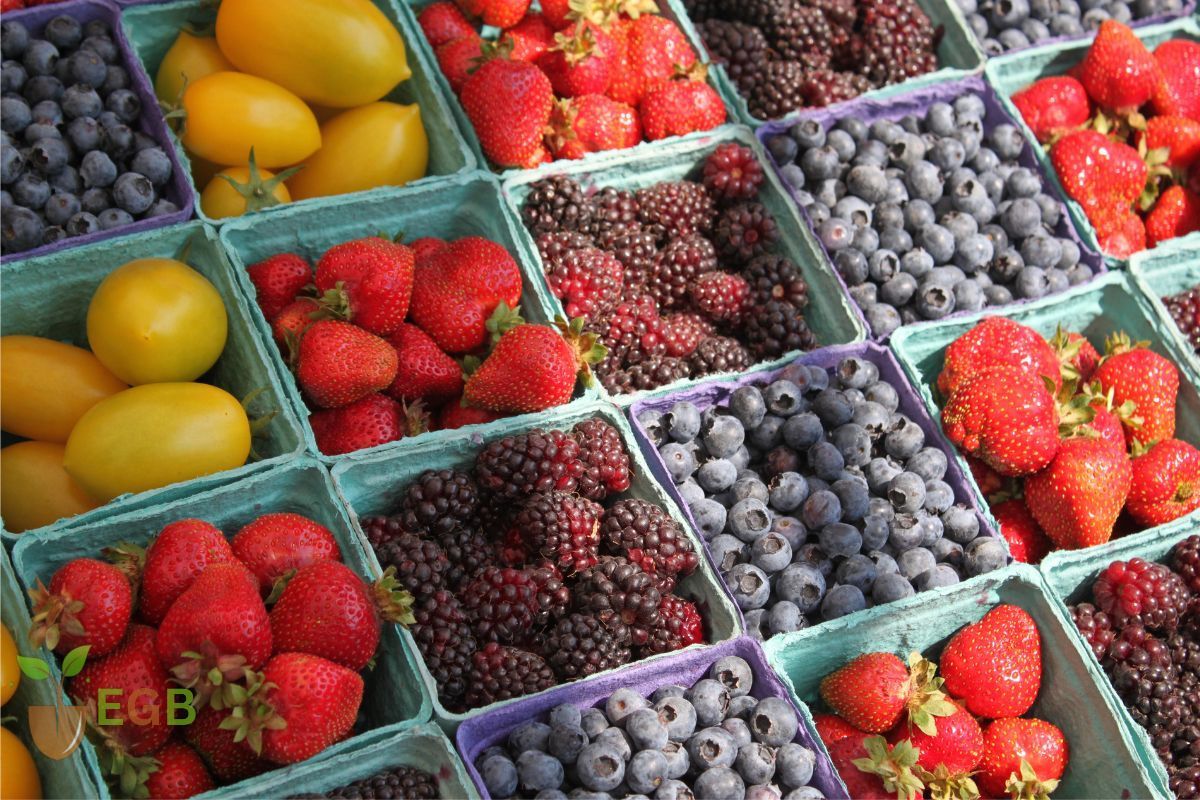
In botanical terms, a berry is more than just a small, sweet fruit. True berries have unique characteristics that distinguish them from other fruits. Let’s explore the intriguing world of berry classification.
Defining Botanical Berries
Botanists have specific criteria for identifying berries. A true berry must have:
- A single ovary
- Soft, edible flesh
- Multiple seeds within a unified pericarp
Common Misconceptions
Many fruits we commonly call berries are not botanical berries at all. Strawberries and raspberries are aggregate fruits. Surprisingly, bananas, tomatoes, and cucumbers are true berries.
Examples of True Berries
Prepare to be amazed by these botanical berry examples:
- Bananas
- Tomatoes
- Grapes
- Cucumbers
- Kiwis
- Avocados
Botanical classification challenges our everyday understanding of fruit categories!
Understanding fruit categorization helps us appreciate the complexity of plant biology. The next time you enjoy a fruit, you might see it in a completely different light!
The Melon Family Explained
Explore the amazing world of melons, a fruit group in the cucurbitaceae family. These fruits are more than a summer snack. They show a complex classification that links many familiar foods.

The Cucurbitaceae family is a botanical giant. It includes a wide range of fruits and vegetables. From watermelons to cucumbers, this family exhibits incredible diversity in shape, size, and nutritional value.
Types of Melons Around the World
Melons come in many varieties, each with its own special traits:
- Watermelons: Classic striped varieties with bright red flesh
- Cantaloupes: Known for their netted exterior and sweet flavor
- Honeydew: Smooth green melons with pale green flesh
- Muskmelons: Aromatic fruits with distinctive rinds
Botanical Classification Insights
Learning about melon botanical classification is fascinating. Most melons share similar genetic traits in the Cucurbitaceae family. This explains their structural similarities.
Nutritional Powerhouses
Melons are not only tasty, but also very nutritious. They are full of essential vitamins, minerals, and water. Eating one can give you a lot of hydration and nutrition.
Global melon production demonstrates its importance. In 2023, the world produced 104.932 million tons of melons. China made up 50.4% of this total. This highlights how loved these fruits are worldwide.
Why Melons Are Considered Berries
Explore the world of watermelon taxonomy and find out why melons are called berries. You might be surprised to see how much they have in common with traditional berries.
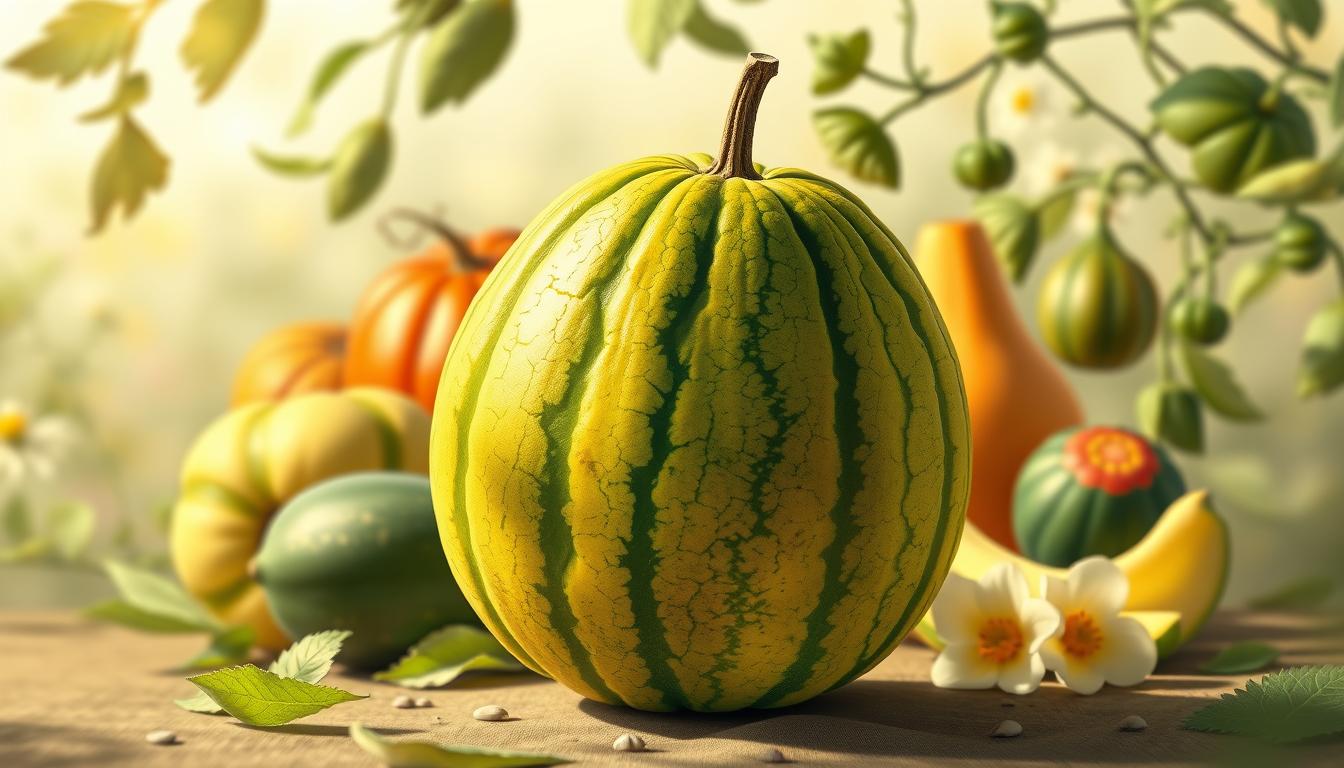
Melons, like watermelons, cantaloupes, and muskmelons, are part of a special berry group called pepos. They have unique features that make them different from other fruits.
Characteristics of Melons as Berries
Melons have traits that make them berries:
- Multiple seeds in the fruit’s flesh
- Soft, fleshy inside
- Grow from a single ovary
- Have special features of berry classification
The Role of Accessory Fruit
Cantaloupe and muskmelon berries are special because they’re accessory fruits. Their edible parts come from both the ovary and the surrounding tissue. This makes their structure complex and interesting.
| Melon Type | Maturity Period | Characteristic |
|---|---|---|
| Muskmelon | 70-75 days | Net-like exterior |
| Honeydew | 110 days | Smooth exterior |
| Watermelon | 80-90 days | Large pepo berry |
Unique Features of Melon Structure
The pepo classification shows how adaptable melons are. Their tough rind and many seeds show a clever design. This design challenges our thinking about different types of fruit.
The Surprising World of Fruits
Explore the fantastic world of fruit categorization. Here, botanical science turns everything you thought you knew upside down. The complexity and intrigue of fruits are far beyond what most people imagine.
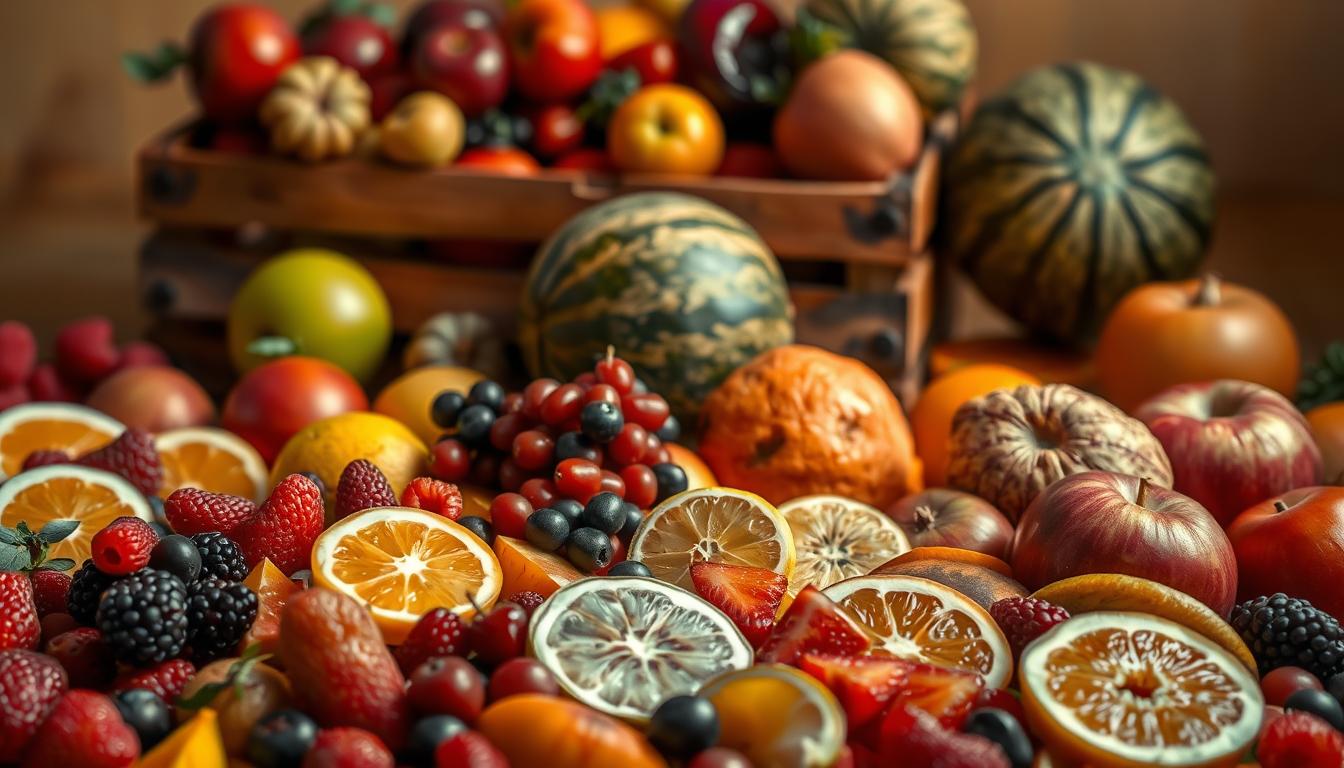
Fruits are more than just their taste or looks. Botanical science uncovers a detailed system of classification. This system goes beyond what we usually see in our kitchens. Let’s look at how scientists group different fruits.
Understanding Different Fruit Categories
Fruit categorization is a captivating science. It divides produce into several distinct groups:
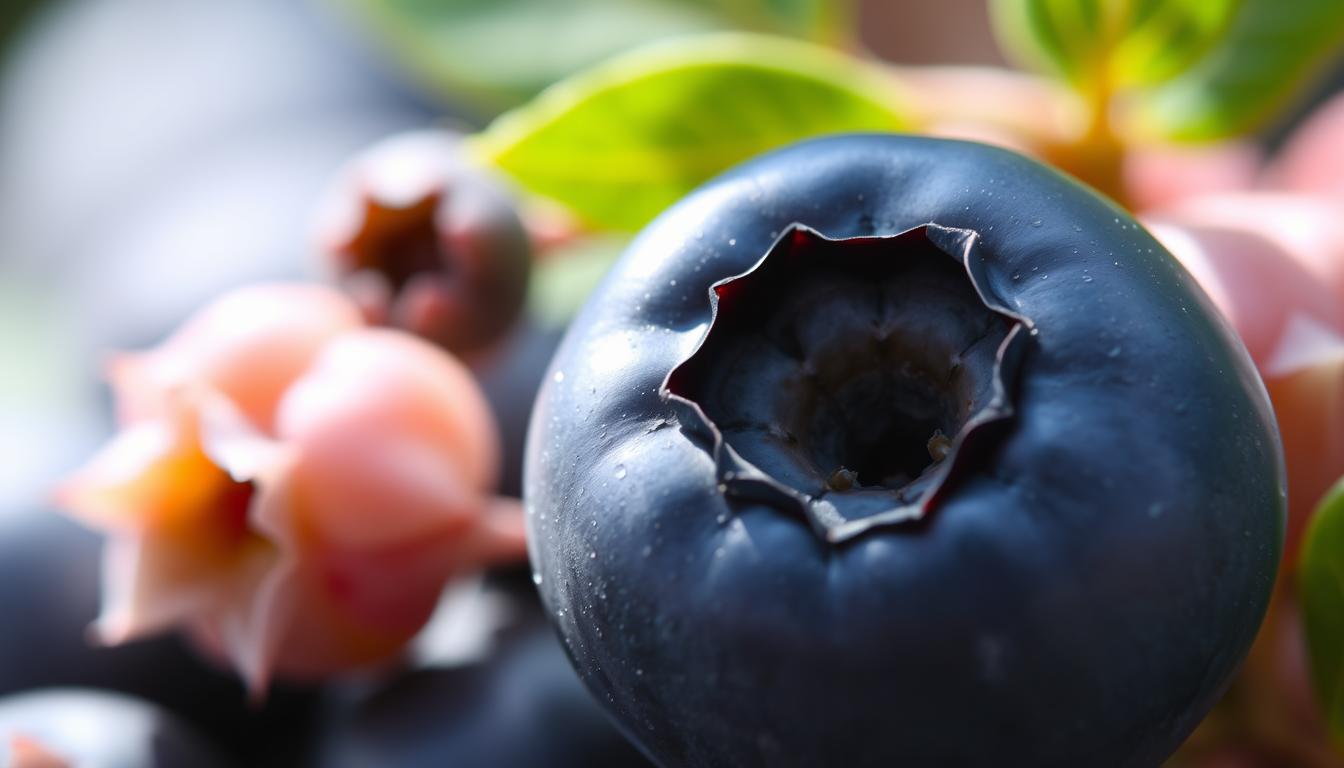
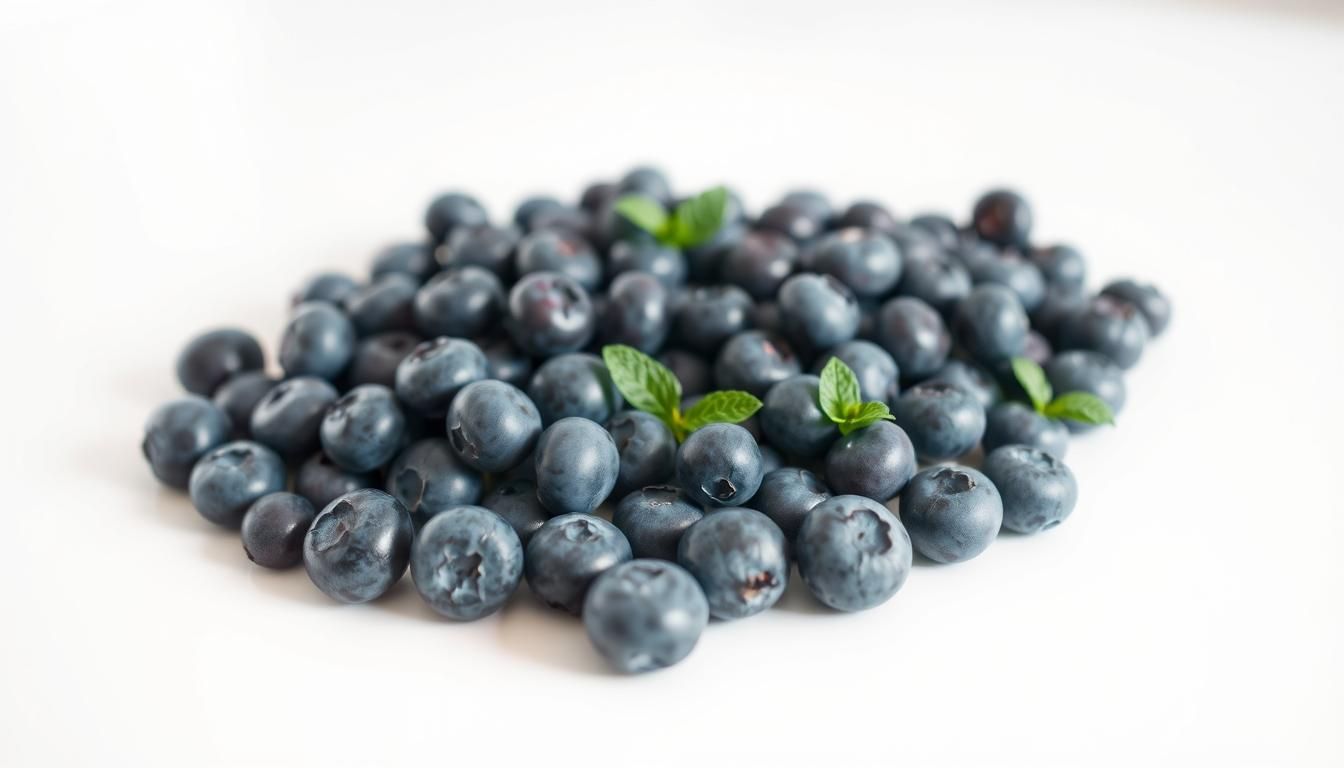
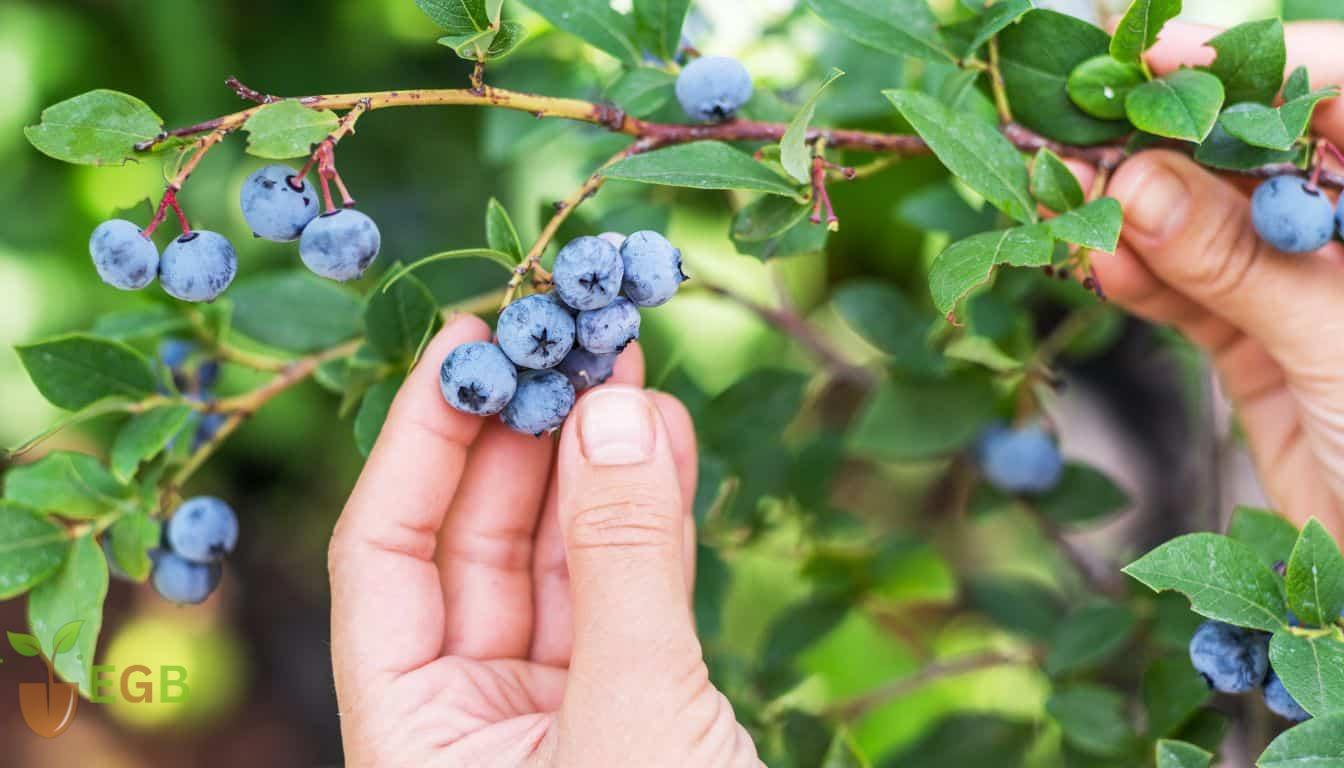
- Berries: True berries like blueberries and kiwi grow from a single flower with one ovary
- Pepo fruits: A special category including watermelons, pumpkins, and cucumbers with hard rinds
- Drupes: Stone fruits like peaches and cherries with a single central seed
- Aggregate fruits: Including raspberries and strawberries, formed from multiple ovaries
The Importance of Botanical Definitions
Botanical definitions change how we see fruits. Watermelons, for example, are technically berries in the pepo fruit category. This fact might surprise many. These classifications help scientists and botanists understand plant growth and relationships.
Fruits That Defy Expectations
Some fruits challenge our usual way of thinking. Strawberries are considered accessory fruits, and cucumbers are botanically berries. These surprising facts show the complexity of fruit categorization. They remind us that scientific knowledge often differs from what we commonly believe.
Other Unusual Berry Examples
Nature surprises us with its complex fruit classifications. You might think you know what a berry is. But the world of fruit is much more complicated than we think. Fruits like bananas and grapes challenge our old ideas about berries.

Botanical definitions can change how we see fruit. For example, bananas are true berries (according to their botanical definition). This shows that not all berries are like honeydew berries.
Surprising Berry Classifications
Let’s look at some interesting fruit facts:
- Bananas are scientifically classified as berries
- Strawberries are not technically berries at all
- Avocados qualify as berries
- Tomatoes are considered berries in botanical terms
Grape Revelations
Grapes are another fascinating example. They look familiar, but are true berries. Each grape has seeds in a fleshy pulp, which perfectly fits the definition of a berry.
Beyond Traditional Fruit Categories
Learning about these unique classifications shows us the complexity of plant biology. The fruit world is more detailed than we think. Botanical science reveals surprising connections between different fruits.
How to Select the Best Melons
Understanding melon botanical classification is more than just science. It’s about picking the best fruit for your meals. Whether you’re choosing watermelons, cantaloupes, or honeydews, knowing how to pick ripe ones can change your cooking game.
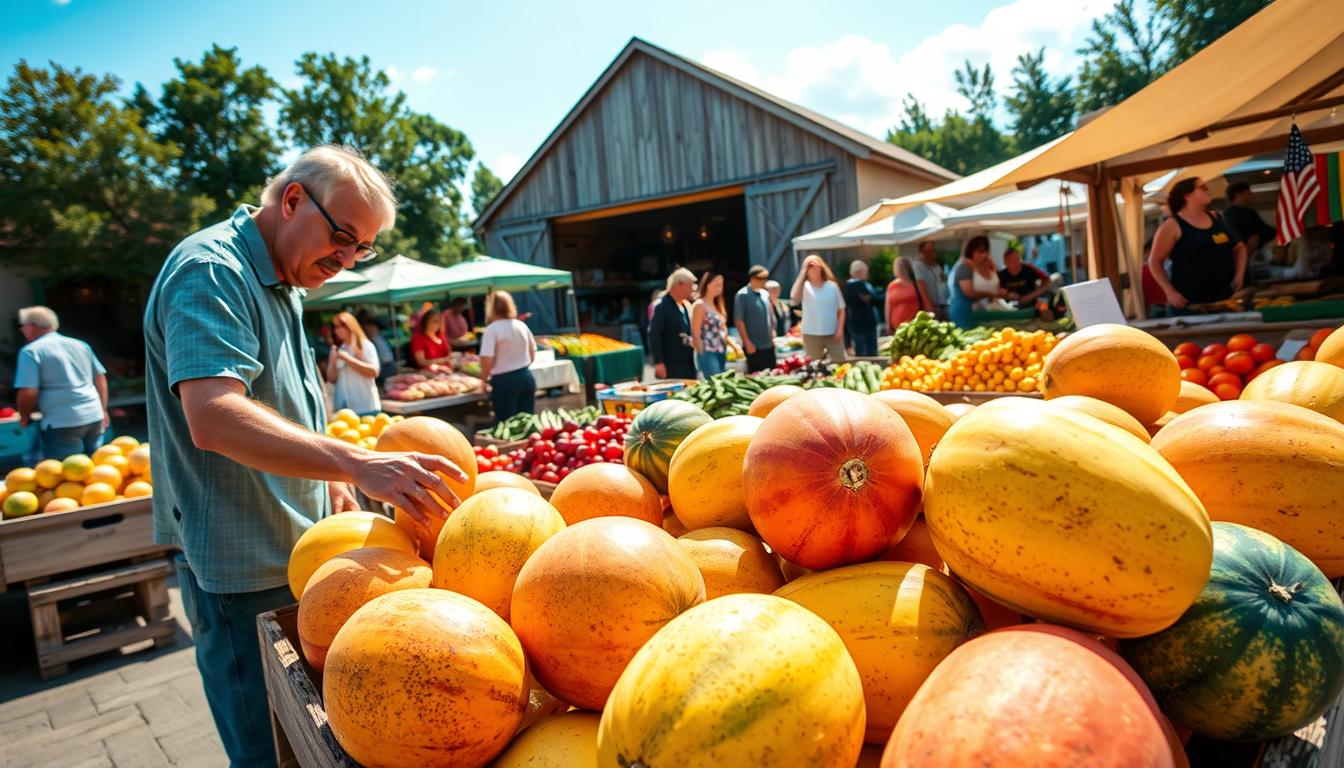
Ripeness Indicators for Different Melons
Finding the perfect ripe melon takes some skill. Here are the key signs for each type:
- Watermelons: Look for a yellow field spot and a dull, not shiny, rind
- Cantaloupes: Check for a rough beige net with minimal green spaces
- Honeydew melons: Seek a yellow tinge and a matte rind
Seasonal Availability and Selection Tips
Melons, which are botanically classified as berries, are at their best in summer. Here are some expert tips for picking:
- Choose melons that feel heavy for their size
- Smell the stem area for a fragrant, fresh scent
- Check for a pale-yellow ground spot
- Avoid melons with soft spots or bruises
Proper Melon Storage
Once you’ve picked your melon, storing it right is key. Whole melons can be stored at room temperature. But cut melons need to be refrigerated and should be eaten within 3-5 days.
Pro tip: Let cut melons sit for ten minutes before serving to enhance their natural sweetness!
Creative Ways to Enjoy Melons
Explore the world of melons and find new culinary adventures. From watermelon taxonomy to cantaloupe berry, there are many ways to make these fruits into tasty dishes.

Melon Recipes to Tantalize Your Taste Buds
Get ready for amazing melon recipes that will make your summer meals unforgettable. Here are some creative ideas:
- Melon-Berry Salad: A light and refreshing dish with just 105 calories per 3/4 cup serving
- Strawberry and Honeydew Salad with only 56 calories
- Tomato-Melon Chicken Salad is packed with 26g of protein
Refreshing Melon Beverages
Stay cool with these melon drinks that are perfect for summer:
- Strawberry Melon Fizz (194 calories)
- Watermelon Limeade Spritzer (140 calories)
- Iced Melon Moroccan Mint Tea (81 calories)
Pairing Melons with Other Ingredients
Try new flavor combinations with melons. Cantaloupe and watermelon pair well with mint, and their botanical similarities open up new culinary possibilities.
“Melons are nature’s canvas for culinary creativity!” – Chef Maria Rodriguez
Pro tip: Keep your melon dishes in an airtight container in the fridge. Most recipes stay fresh for 2-3 days. This lets you prepare ahead and enjoy healthy treats anytime.
Product offers are temporarily unavailable.
Health Benefits of Eating Melons
Melons are rich in nutrients and offer numerous health benefits. Enjoying a slice of muskmelon or a refreshing honeydew can be a nourishing treat. These fruits are not just tasty but also hydrating.

Hydration and Nutritional Power
Melons are fantastic at keeping you hydrated, with about 90% water content. They are perfect for hot summer days. Eating melons can help meet up to 20% of your daily hydration needs.
Vitamins and Minerals Breakdown
Melons have an impressive nutritional profile. Here are some key nutrients found in these fruits:
- Vitamin C: Supports immune function
- Potassium: Helps regulate blood pressure
- Beta-carotene: Promotes eye health
- Lycopene: Reduces oxidative stress
Weight Management and Melon Consumption
Melons are great for weight management. They are low in calories but rich in nutrients. This makes you feel full and satisfied. For example, one cup of cubed cantaloupe has only 54 calories but is packed with vitamins and minerals.
| Nutrient | Amount per Cup | Daily Value |
|---|---|---|
| Vitamin C | 58.7 mg | 65% |
| Potassium | 427 mg | 9% |
| Fiber | 1.4 g | 5% |
Pro tip: If you’re managing blood sugar, eat melons in moderation. Pair them with protein or healthy fats to keep glucose levels balanced.

Frequently Asked Questions (FAQs): Are Melons Berries?
Are melons actually berries?
What makes a fruit a botanical berry?
What types of melons are considered berries?
How are melons different from other berries?
Are there other surprising fruits classified as berries?
Do melons have any nutritional benefits?
How can I tell if a melon is ripe?
Can I eat melons in different ways?

Final Thoughts on Melons and Berries
Your journey into the world of melons and berries has shown you amazing things about the Cucurbitaceae family. Learning about plants is more than just knowing their names; it’s about understanding their characteristics. It’s about finding the amazing things around us every day.
The world of plants is full of surprises. By looking closely at fruits like melons, you learn to appreciate nature’s complexity. You’ve learned how melons are classified as berries and their special features, making them truly special.
Product offers are temporarily unavailable.
Your curiosity is what drives you to learn. Whether you’re checking out a Crenshaw melon at the market or making a summer salad, each fruit has its own story. The Cucurbitaceae family offers plenty of opportunities to learn more and enjoy nature’s variety.
Keep exploring, keep asking questions, and always be amazed by the world of fruits and plants around you. Your journey of discovery is just starting. Happy Growing
Further Recommendations:
- Winterproofing the Garden
- A Beginner’s Guide to Growing Lettuce
- Exciting Edible Mushrooms
- Homesteading
- Beginner’s Guide to Growing Tomatoes
- The ultimate guide to growing Serrano Peppers in pots
- Ultimate Guide to Strawberries
- Discover the World of Peppers
- What are Heirloom Strawberries
- What not to plant with strawberries
- When to transplant strawberries
- Best Organic Fertilizers for Strawberries
- What is a Strawberry Tree?
- Stylish Gardening Arm Sleeves for Gardening
- What animals eat strawberries
- Do strawberries grow on trees?
- Best Outdoor Composting Bins
- Ultimate Guide to Kiwi Fruit
- Understanding Mushrooms
- How much cold can strawberries tolerate?

Leave a Reply