

Have you ever wondered if melons are fruit or just a summer mystery? Explore the world of melon taxonomy and find out the truth about these refreshing treats!
Melons have been grown for thousands of years, playing a large role in farming around the world. They belong to two main species: Cucumis melo and Citrullus lanatus. These species include many sweet and juicy types of melons.
Do you love watermelons, cantaloupes, or honeydews? These fruits are more than just a tasty snack. Discover the surprising truth about melons and how they fit into the summer season!
Key Takeaways
- Melons are botanically classified as fruits
- Cultivated for thousands of years worldwide
- Belong to two primary botanical species
- Watermelons contain 92% water
- A diverse range of varieties and flavors
What Defines a Fruit?
Exploring melon botany begins with knowing what a fruit is. In science, a fruit is the part of a plant that grows from the ovary after it’s fertilized. This might make you rethink what you know about fruits and veggies.

Let’s explore the world of plant reproduction. We’ll see what makes something a fruit from a botanical view.
The Botanical Perspective
Scientifically, fruits are more than just tasty snacks. They are vital for plant reproduction. Here are the main traits of a fruit:
- Develops from a flower’s ovary
- Contains seeds
- Aids in seed dispersal
- Protects developing seeds
Common Myths About Fruits
Many mix up how we use fruits in cooking with their actual definition. In the kitchen, fruits are often seen as sweet, and veggies as savory. But botanically, this isn’t true!
Differences Between Fruit and Vegetables
Understanding the differences between fruits and veggies is key when looking at melons:
| Fruit Characteristics | Vegetable Characteristics |
|---|---|
| Reproductive part of the plant | Typically edible plant parts like leaves, stems, roots |
| Contains seeds | Usually does not contain seeds |
| Nutritive part of the plant | Nutritive part of plant |
For melons, their botanical classification is clear. They are fruits, no matter how we use them in cooking. Their seeds and growth from flowers prove they are fruits!
The Melon Family Explained
Explore the world of melons, a diverse and tasty fruit family. They are loved by food enthusiasts everywhere. Each type of melon adds its own special touch to meals.
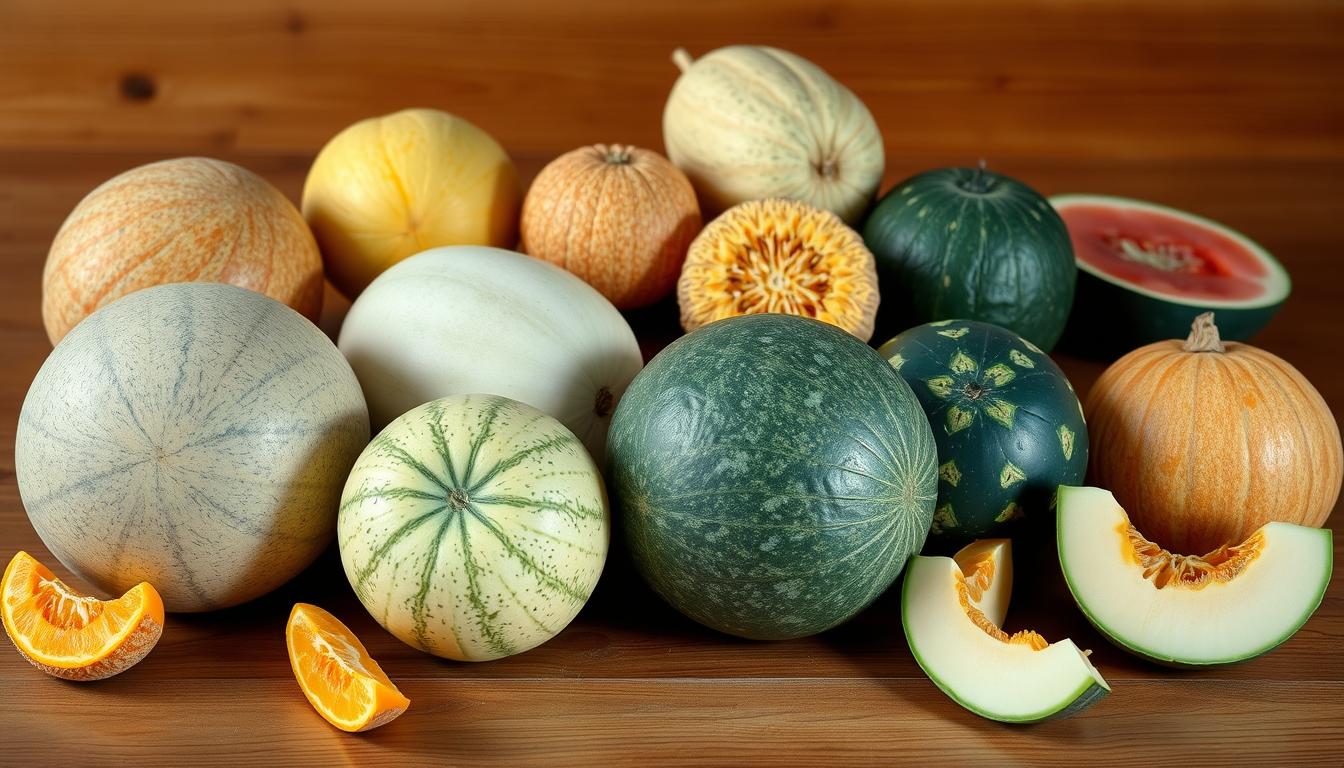
The Cucurbitaceae family has about 965 species. This makes melons very diverse and exciting. From watermelon’s high water content to honeydew’s sweet taste, they’re more than summer treats.
Exploring Melon Varieties
Discover some favorite melon varieties:
- Watermelon: A summer favorite with 92% water, great for cooling down
- Cantaloupe: Famous for its bright orange flesh and 4-5 pound weight
- Honeydew: Known for its smooth, pale green flesh and 5-8 pound weight
- Casaba: Thrives in hot, dry climates
- Charentais: A French melon that grows well in cooler temperatures
Key Characteristics of Melons
What makes melons special? Each variety has unique traits. Some are super juicy, while others have complex flavors. They grow in a range of conditions, from hot to cool climates.
“Melons are nature’s sweet, hydrating gift – a burst of flavor in every bite!” – Tracy Langell, Horticulturist and Sustainable Gardening Specialist.
Popular Melon Varieties Spotlight
Watermelon, cantaloupe, and honeydew are top picks in the U.S. These favorites show just a small part of the melon family’s diversity. Each offers unique nutritional benefits and tastes.
Are Melons Actually Fruits?
Discovering if melons are truly fruits might surprise you. The world of melon classification is more fascinating than you might expect. Let’s dive into the botanical details that confirm melons are absolutely fruits.
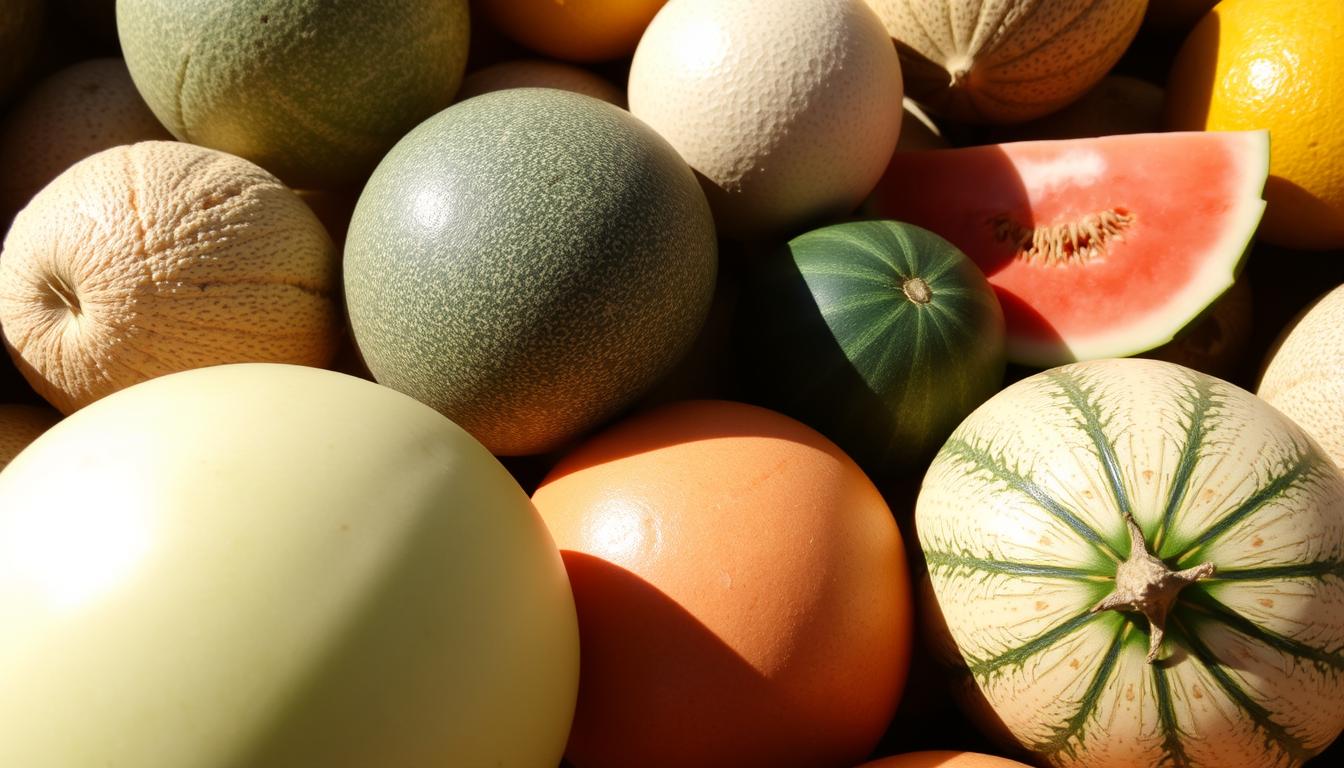
Botanically speaking, melons are classified as fruits due to several key characteristics. When understanding melon classification, three primary factors stand out:
- Develop from the flower of the plant
- Contain seeds inside
- Grow from the ovary of a flowering plant
Understanding Botanical Classification
Are melons fruit? The answer is a definitive yes. Melons meet all scientific criteria for fruit classification. They emerge from a plant’s flower and contain seeds, which are crucial markers of fruit status.
The Role of Seeds in Fruit Definition
Seeds play a critical role in determining whether something is a fruit. Melons contain numerous seeds within their flesh, making them perfect examples of botanical fruits. Watermelons, cantaloupes, and honeydew all showcase this characteristic.


Examples of Melons as Fruits
Consider these popular melon varieties that qualify as fruits:
- Watermelon: Contains over 90% water and numerous black seeds
- Cantaloupe: Develops from a flower with multiple seeds inside
- Honeydew: Grows from the plant’s ovary with embedded seeds
The scientific community universally recognizes melons as fruits, not vegetables.
Understanding melon classification helps appreciate these delicious summer treats beyond their taste. Next time you enjoy a slice of melon, remember you’re savoring a perfectly designed fruit!
Nutritional Benefits of Melons
Melons are nutritional powerhouses that can transform your diet with their incredible health benefits. These refreshing fruits pack a serious nutritional punch when it comes to melons. They offer a delicious way to support your overall wellness.

When you’re looking to add a nutritious option to your diet, melons are an exceptional choice. They’re not just tasty, they’re perfect for you.
Vitamins and Mineral Powerhouse
Melons deliver an impressive array of essential nutrients:
- Vitamin C: Boosts the immune system
- Vitamin A: Supports eye health
- Potassium: Helps regulate blood pressure
- Antioxidants: Fights cellular damage
Hydration and Low-Calorie Benefits
Your body will thank you for choosing melons. With approximately 90% water content, these fruits are perfect for staying hydrated. A single cup of cantaloupe provides just 54 calories, making it an ideal snack for weight-conscious individuals.
| Melon Type | Calories per Cup | Water Content | Vitamin C |
|---|---|---|---|
| Cantaloupe | 54 | 90% | 65% DV |
| Honeydew | 64 | 90% | 53% DV |
Health Benefits of Eating Melons
Incorporating melons into your diet can offer significant health benefits. Research suggests that regular fruit consumption may reduce the risk of diabetes by up to 12% and help manage existing conditions more effectively.
Melons are nature’s multivitamin, delicious, hydrating, and packed with nutrients.
Whether you’re seeking to boost your immune system, maintain hydration, or enjoy a low-calorie treat, melons are an excellent choice. They support your nutritional goals.
How and When to Enjoy Melons
Summer is the perfect time to enjoy melons. These fruits are not just cool treats. They can also make your meals exciting. Melons come in many types, offering endless possibilities.

The best time to enjoy melons is from July to August. During these months, you can find fresh, juicy varieties. Watermelons, cantaloupe, and honeydew add unique flavors and textures to your summer dishes.
Best Ways to Eat Melons
- Fresh slices as a quick snack
- Chilled melon salads
- Smoothie ingredients
- Grilled with a sprinkle of spices
- Frozen melon pops
Summer Melon Recipes to Try
Be creative with your melon dishes! Try these exciting summer recipes:
- Watermelon Salsa: Dice watermelon with jalapeños, onions, and lime
- Cantaloupe Gazpacho: A cool, refreshing summer soup
- Honeydew Mint Sorbet: A sophisticated dessert option
Product offers are temporarily unavailable.
Picking the Perfect Melon
When selecting melons, look for these key indicators of ripeness:
- Heavy for its size
- Pale yellow ground spot
- Sweet, musky aroma
- Slight give when pressed at the stem end
Pro tip: A ripe melon should sound deep and hollow when tapped, indicating maximum juiciness!
Selecting and Storing Melons
Choosing the perfect melon is an art. It’s about knowing the different types like watermelon, cantaloupe, and honeydew. Learning how to pick and store them can greatly enhance your cooking.

Tips for Picking the Perfect Melon
Here are some expert tips for picking melons:
- Look for a sweet, fragrant aroma near the stem end
- Check for a slight give at the blossom end when gently pressed
- Examine the color: ripe melons have deep, rich coloration
- Listen for a hollow sound when tapping the melon
Proper Storage Guidelines
Melons have storage criteria to stay fresh:
- Whole melons: Store at room temperature until ripe
- Cut melons: Refrigerate in an airtight container
- Watermelons keep best at 50°F to 59°F
- Honeydew melons can last up to 3-4 weeks at 45°F to 50°F

How Long Do Melons Last?
The shelf life of melons depends on their type and the storage conditions. Cantaloupes last 3-4 days at room temperature and up to 2-3 weeks in the fridge. Watermelons stay fresh for about 3 weeks with ice packs.
Pro tip: Always check for signs of decay like surface pitting, unusual smells, or a “washy” sound when shaken.
Knowing how to pick and store your favorite melons ensures you get the sweetest and most delicious ones.
Fun Facts About Melons
Dive into the fascinating world of melons. Here, melon botany and taxonomy reveal incredible stories. These juicy fruits have more surprises than you might expect!
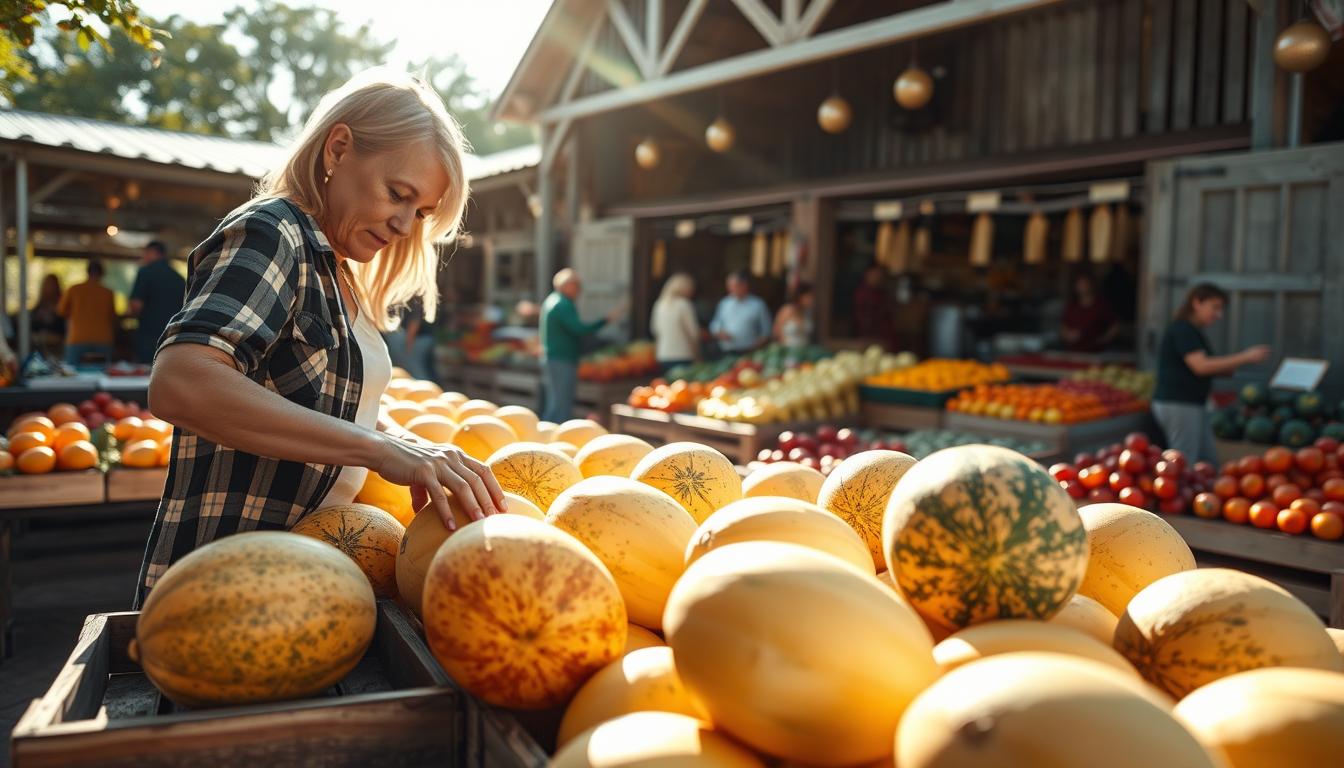
Melons have a rich history that spans thousands of years. They originated in Africa and have since traveled the globe. They have become cultural icons in many parts of the world. Let’s explore some fascinating insights about these remarkable fruits.
Historical Significance of Melons
The journey of melons is genuinely remarkable. Archaeological evidence shows that watermelons were first cultivated nearly 5,000 years ago in Egypt. These fruits were so valued that they were often placed in pharaohs’ tombs as a source of sustenance in the afterlife.
- The first recorded watermelon harvest occurred in ancient Egypt.
- Melons began appearing on European tables in the late 15th century.
- Khorezm melons from Uzbekistan were famous since the 13th century.
Unique Facts About Melons
When it comes to melon taxonomy, some varieties are truly extraordinary. Did you know that the Yurabi King melon from Japan can cost up to $10,000? This makes it the most expensive melon in the world!
Melons in Different Cultures
Different cultures have unique relationships with melons. In China and India, winter melons are treated more like vegetables. They have incredible preservation capabilities. The winter melon, also known as ash gourd, can be stored for extended periods.
- Over 1,200 varieties of watermelon are grown worldwide
- The United States ranks 7th in global watermelon production
- China remains the top watermelon-producing country
From their ancient origins to modern-day culinary adventures, melons continue to fascinate and delight people around the world. Their incredible diversity in melon botany ensures there’s always something new to discover!
Common Questions About Melons
Melons are fascinating fruits that spark curiosity among food lovers and health enthusiasts. They come in many varieties, each with its unique characteristics. Let’s explore some common questions about melons.
Are There Any Dangers?
While melons are generally safe, there are a few precautions to take. It’s important to wash the exterior before cutting to avoid contamination. Some people with allergies might react to melons, including those with ragweed allergies.
Can You Eat Melon Seeds?
Most melon seeds are edible and nutritious! Here are some interesting facts about melon seeds:
- Watermelon seeds are rich in protein and minerals
- Cantaloupe seeds can be roasted for a crunchy snack
- Some cultures use melon seeds in cooking and traditional medicine
How Do Different Melons Compare?
Melon varieties offer unique experiences for fruit lovers. From the water-rich watermelon to the sweet cantaloupe, each type has its own charm. Here’s a quick comparison of popular melon varieties:
| Melon Type | Flavor Profile | Nutritional Highlight |
|---|---|---|
| Watermelon | Sweet, refreshing | High water content |
| Cantaloupe | Mildly sweet | Rich in Vitamin A |
| Honeydew | Subtle sweetness | Good source of Vitamin C |
Whether you’re exploring melon fruit or discovering new melon varieties, these incredible fruits offer something for everyone. Each type brings its unique flavor, texture, and nutritional benefits to your plate.

Frequently Asked Questions (FAQs): Are Melons Fruit?
Are melons actually considered fruits?
What makes a melon different from a vegetable?
Are all melons the same type of fruit?
Are melon seeds edible?
How do I know if a melon is ripe?
How long can I store a whole melon?
Are melons good for you?
Can people with dietary restrictions eat melons?
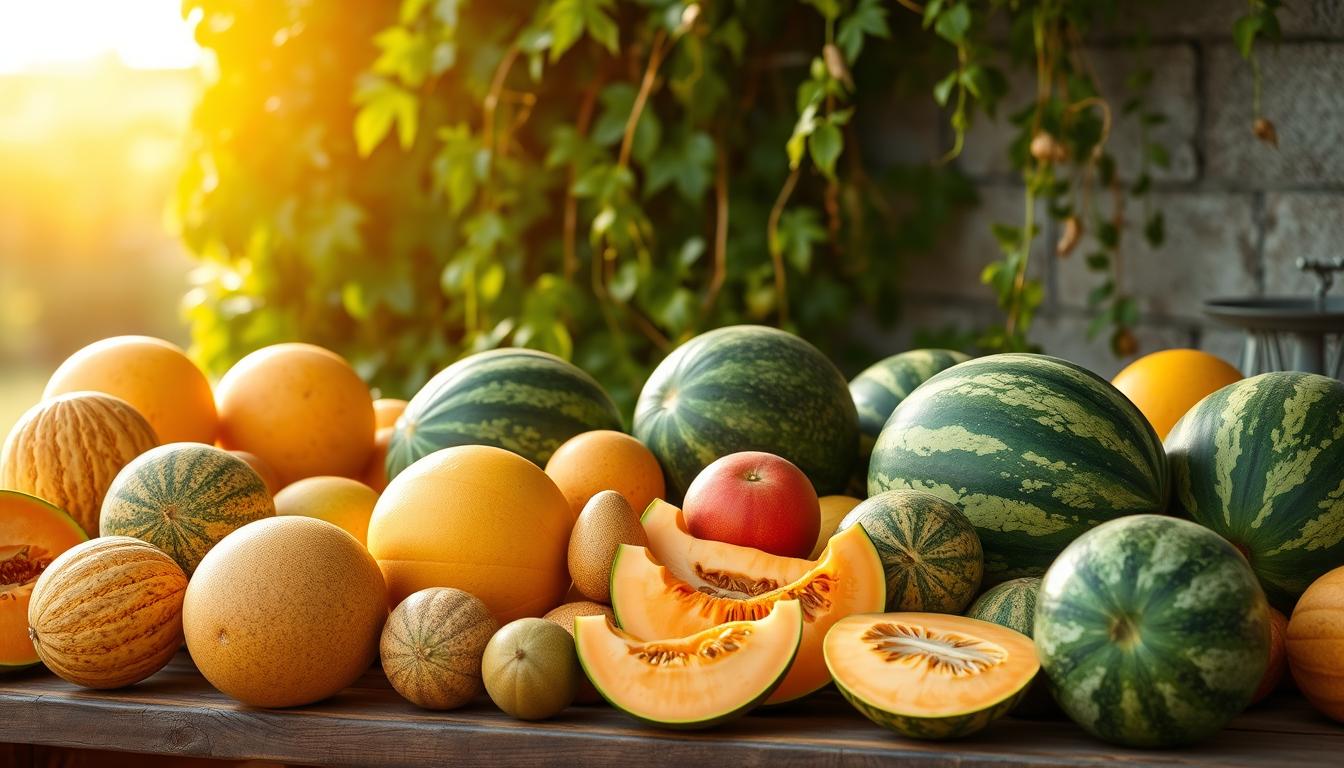
Final Thoughts on the Sweet Truth About Melons
Exploring melons opens up a world of flavors and health benefits. Yes, melons are fruits! They are refreshing and packed with nutrients that can boost your diet.
Adding melons to your meals is fun and rewarding. You can enjoy watermelon or honeydew in many ways. They are low in calories and high in water, making them great for staying hydrated and managing weight.
Melons are perfect for any time of day. Slice them for a snack, blend into smoothies, or use in summer recipes. Their natural sweetness and health benefits make them a top choice for those who love tasty, healthy foods.


Embracing Melons as a Fruit
Understanding the botanical and nutritional aspects of melons reveals their value. They are not just a seasonal treat. Their versatility and health benefits make them an excellent fit for any diet, proving that simple foods can be truly remarkable.
Ways to Incorporate Melons into Your Diet
Try different melons in salads, grilled dishes, or as a dessert. Your taste buds and body will love these nutrient-rich fruits in your meals.
Final Thoughts on This Delicious Treat
Discover the sweet, hydrating world of melons. They add flavor and nutrition to your meals. From watermelon to cantaloupe, these fruits are a delicious and nutritious treat.
Further Recommendations:
- Winterproofing the Garden
- A Beginner’s Guide to Growing Lettuce
- Exciting Edible Mushrooms
- Homesteading
- Beginner’s Guide to Growing Tomatoes
- The ultimate guide to growing Serrano Peppers in pots
- Ultimate Guide to Strawberries
- Discover the World of Peppers
- What are Heirloom Strawberries
- What not to plant with strawberries
- When to transplant strawberries
- Best Organic Fertilizers for Strawberries
- What is a Strawberry Tree?
- Stylish Gardening Arm Sleeves for Gardening
- What animals eat strawberries
- Do strawberries grow on trees?
- Best Outdoor Composting Bins
- Ultimate Guide to Kiwi Fruit
- Understanding Mushrooms
- How much cold can strawberries tolerate?

Leave a Reply