

Ever wondered why your citrus fruits go bad before you can enjoy them? What if you could keep lemons, oranges, and limes fresh for weeks? Storing citrus fruits right is more than just tossing them in the fridge; it’s an art.
Citrus fruits are delicate treasures that stop ripening the moment they’re picked. Your goal is to keep their vibrant flavor and juicy texture fresh. The correct storage techniques can make a big difference.
Ready to improve your citrus fruit storage? Here are some effective and practical tips for storing citrus fruit. These strategies will maximize freshness, reduce waste, and keep your kitchen bright with flavorful citrus.
Key Takeaways
- Citrus fruits stop ripening after picking, so choose wisely at purchase
- Refrigeration can extend fruit life up to 4 weeks
- Room temperature storage works best for short-term keeping
- Avoid moisture to prevent mold and premature spoilage
- Proper storage can significantly extend citrus fruit freshness
Understand the Best Storage Conditions
Preserving lemons, limes, and oranges requires proper storage. Your citrus fruits have special needs. These needs affect their freshness and how long they last.
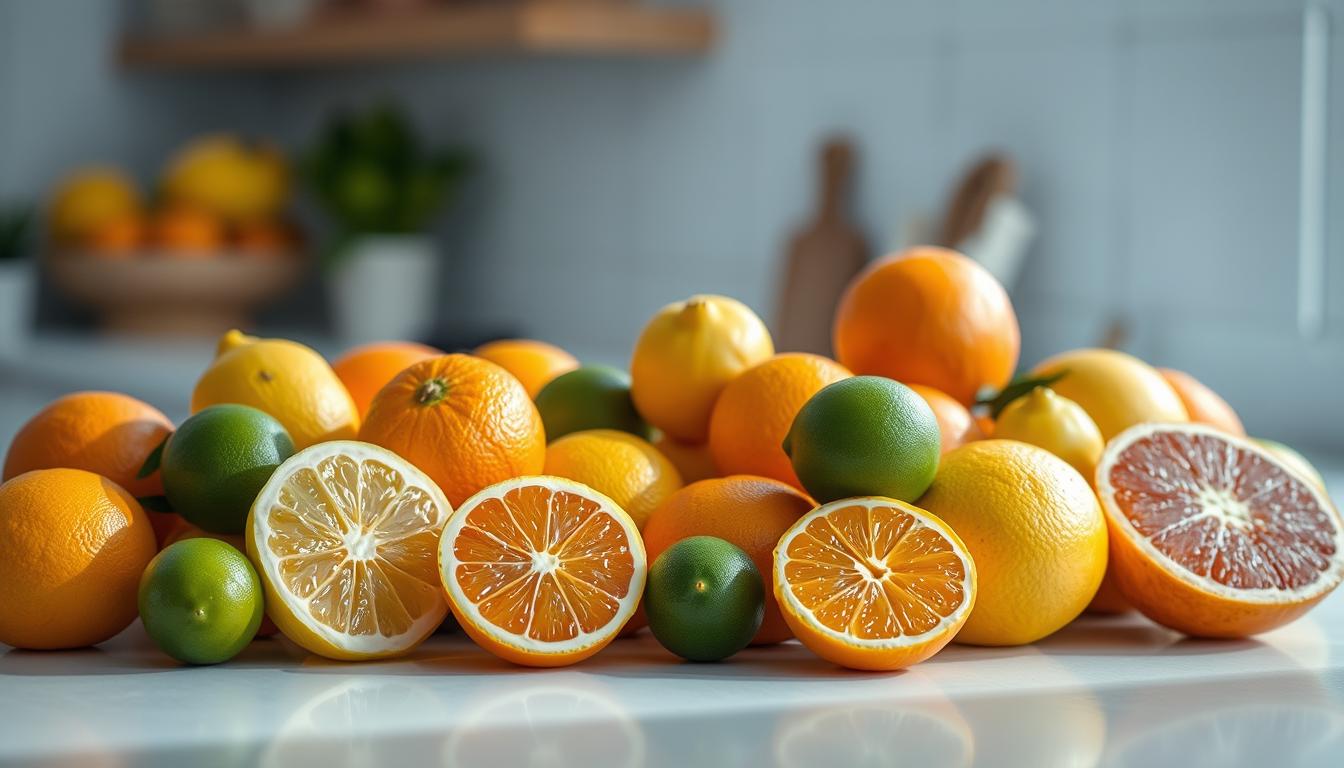
To keep citrus fruits fresh, you need to know the best storage methods. Several factors are important for keeping your fruits in top shape.
Temperature Matters for Citrus Preservation
Temperature is key when storing citrus fruits. Here are some essential tips:
- Room temperature fruits last up to 7 days
- Refrigerated citrus can stay fresh for about a month
- Avoid extreme temperatures that can damage fruit quality
Humidity: The Hidden Factor in Citrus Storage
Managing moisture is crucial for keeping your citrus fruits fresh. Too much moisture can cause them to spoil quickly.
- Keep fruits dry before storing them.
- Use mesh bags for good air flow.
- Avoid sealed plastic containers that trap moisture.
Pro tip: Rotate your citrus fruits daily. This prevents moisture buildup and ensures even air flow. Your fruits will stay fresh for longer!
Proper storage can extend the life of your citrus fruits from a few days to several weeks.





Choose the Right Storage Location
Choosing the right spot for your citrus fruits can greatly affect how long they last. Both your kitchen and fridge have their benefits for keeping these fruits fresh.
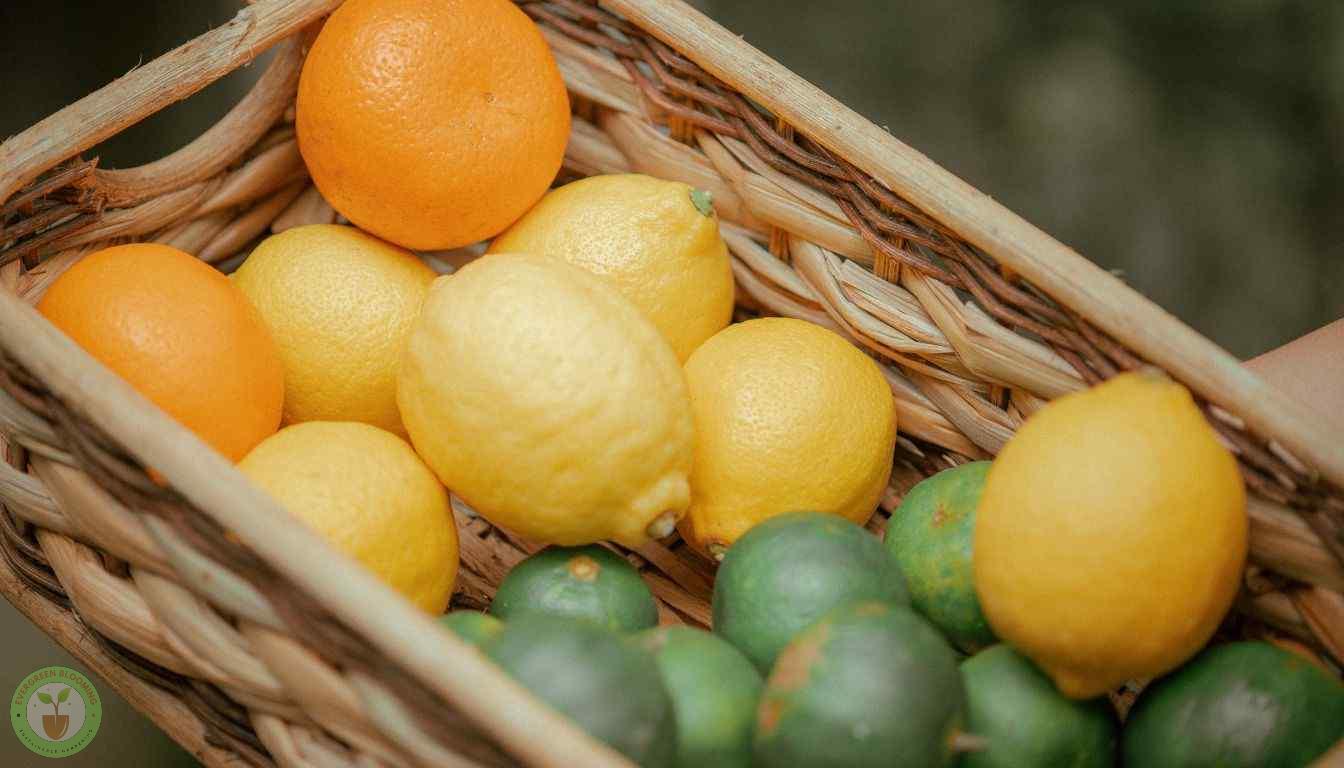
For keeping citrus fruits fresh, you have several options. These can help keep your citrus tasting great for longer.
Kitchen Storage Considerations
For short-term storage, your kitchen is a good choice. UC Davis’s Postharvest Technology Center suggests storing citrus at room temperature for up to a week.
- Keep fruits away from direct sunlight.
- Choose a cool, dark area.
- Maintain a consistent room temperature.
- Avoid placing near heat sources.
Refrigeration Benefits
For longer storage, the fridge is your best option. Citrus fruits can stay fresh for about 30 days in a mesh bag that lets air circulate.
| Citrus Type | Room Temperature Storage | Refrigerator Storage |
|---|---|---|
| Oranges | 1 week | Up to 2 months |
| Lemons | 1 week | Up to 2 months |
| Grapefruits | 1 week | Up to 3 weeks |
Avoiding Heat and Sunlight
Your citrus fruits are sensitive to their environment. Direct sunlight and heat can quickly reduce their freshness and nutritional value. Always keep them in a cool, consistent place to extend their life.
Keep Citrus Fruits Dry
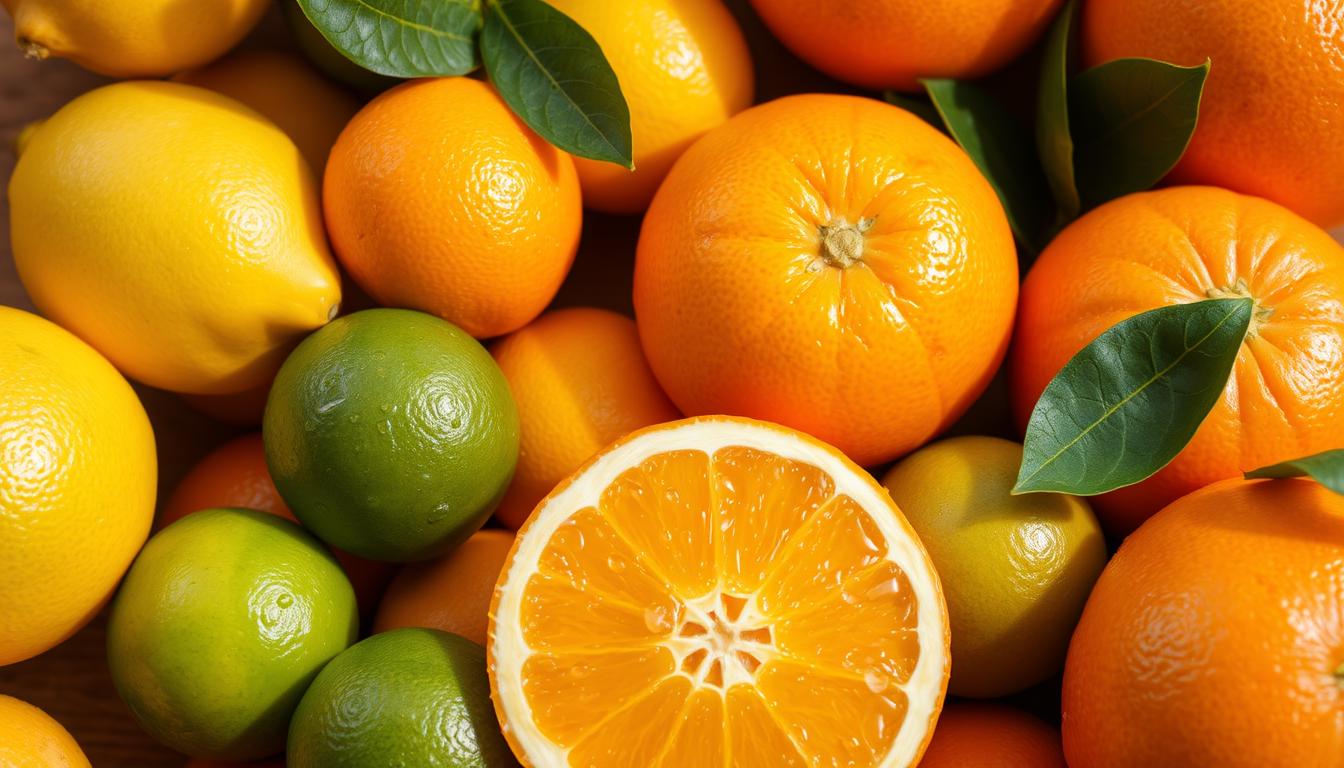
Moisture is a big problem for your citrus fruits. It’s important to keep them dry to avoid spoilage and keep them fresh longer. Learning how to protect them from too much water can help keep their flavor and freshness.
Why Moisture Threatens Your Citrus
Water can harm citrus fruits in many ways. Too much moisture can lead to:
- Mold growth
- Rapid bacterial development
- Premature fruit decay
Essential Cleaning Techniques Before Storage
Getting your citrus fruits ready for storage is crucial. Here are some tips:
- Gently pat fruits dry immediately after washing
- Use a clean, soft cloth to remove surface moisture
- Allow fruits to air dry completely before storing
- Avoid stacking wet fruits on top of each other
Did you know that citrus fruits can stay fresh for about 30 days in the fridge, if stored right in a mesh bag? Managing moisture well is key to keeping your fruits tasty and nutritious.
Pro tip: Always check your citrus fruits and remove any with moisture signs to stop spoilage from spreading.
Separate Citrus Fruits from Other Produce
Knowing how fruits interact is key to keeping citrus fresh. Some fruits can affect the freshness of citrus through ethylene gas.
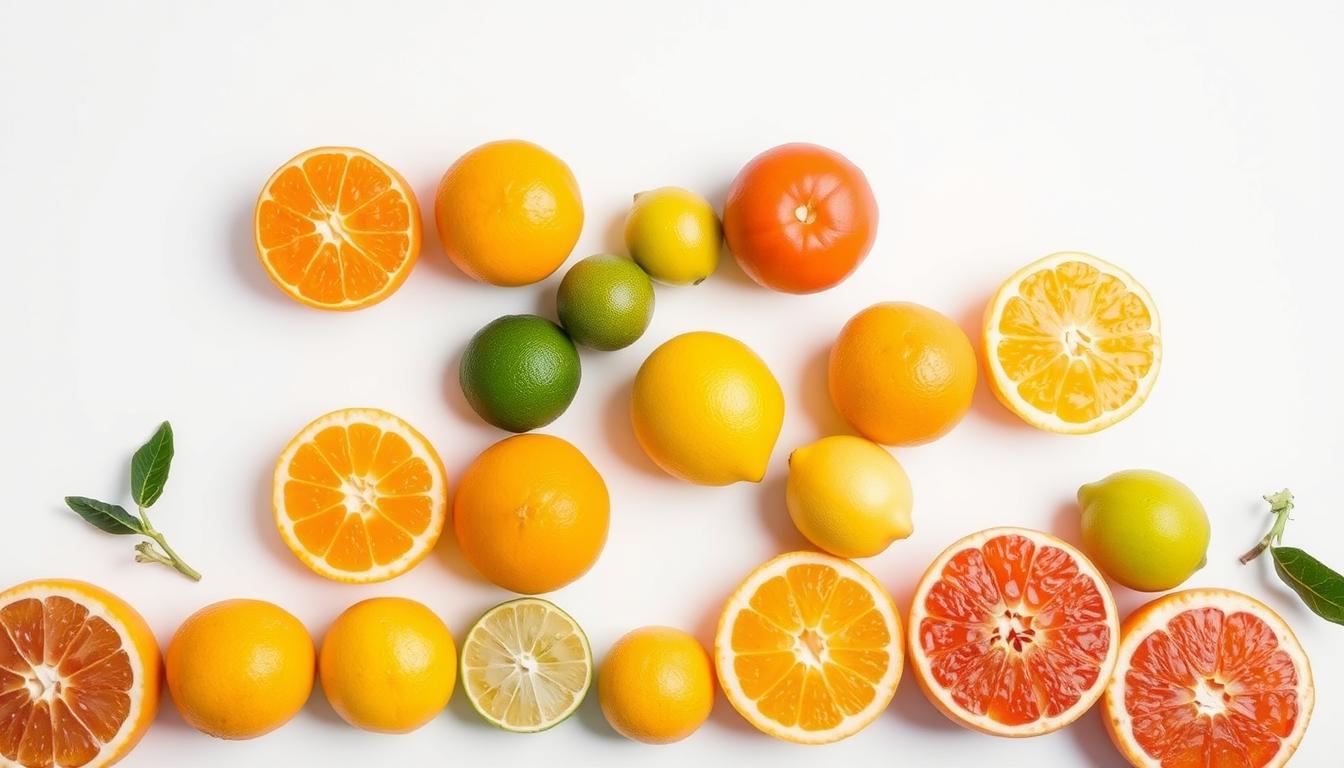
Ethylene gas is like a secret ripening agent. Citrus fruits don’t make much of it. But they’re sensitive to fruits like apples and bananas that do.
The Science of Ethylene Gas
Here are some tips for storing fruits:
- Keep high-ethylene fruits away from citrus
- Store oranges, lemons, and grapefruits separately
- Use mesh bags for better air flow
“Proper fruit separation can extend your citrus freshness by weeks!” – Produce Storage Expert
Best Practices for Mixed Storage
The crisper drawer in your fridge is perfect for citrus. Oranges stored at 40-45°F stay fresh for about 30 days. The trick is to keep humidity low and avoid touching fruits that release ethylene.
By following these tips, you’ll make your citrus fruits last longer. Enjoy fresh, tasty produce every time.
Use Breathable Bags for Storage
Storing lemons, limes, and oranges correctly is key. The right bag can help. Breathable bags are a wise choice to keep your fruits fresh and tasty longer.
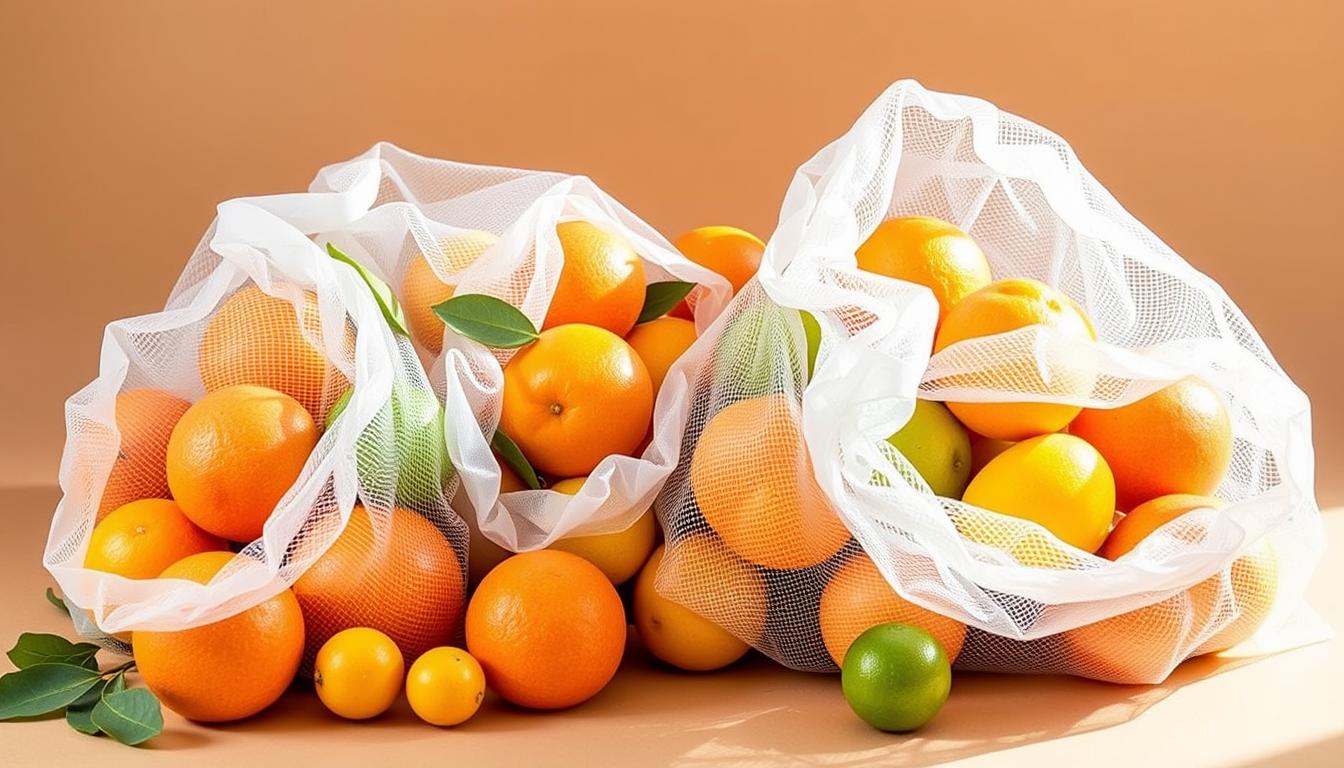
The Magic of Mesh and Paper Bags
Mesh and paper bags are great for storing citrus fruits. They let air in while keeping moisture out. This helps your fruits stay fresh and flavorful.
- Prevents moisture buildup
- Reduces the risk of mold growth
- Maintains fruit freshness
- Allows the natural ripening process

Why Plastic Bags Fall Short
Plastic bags might seem easy, but they’re not good for citrus fruits. They trap moisture, speeding up spoilage. Studies show breathable storage keeps fruits fresh longer.
| Storage Method | Freshness Duration | Fruit Quality |
|---|---|---|
| Plastic Bags | 3-5 days | Decreased |
| Mesh Bags | 10-14 days | Optimal |
| Paper Bags | 7-10 days | Good |
Pro tip: Pick bags that let fruits breathe naturally. Your lemons, limes, and oranges will stay fresh and flavorful longer!
Monitor Your Citrus Fruits Regularly
Keeping citrus fruits fresh needs constant attention. A regular check routine helps keep them fresh longer. It also stops spoilage before it starts.
Identifying Signs of Spoilage
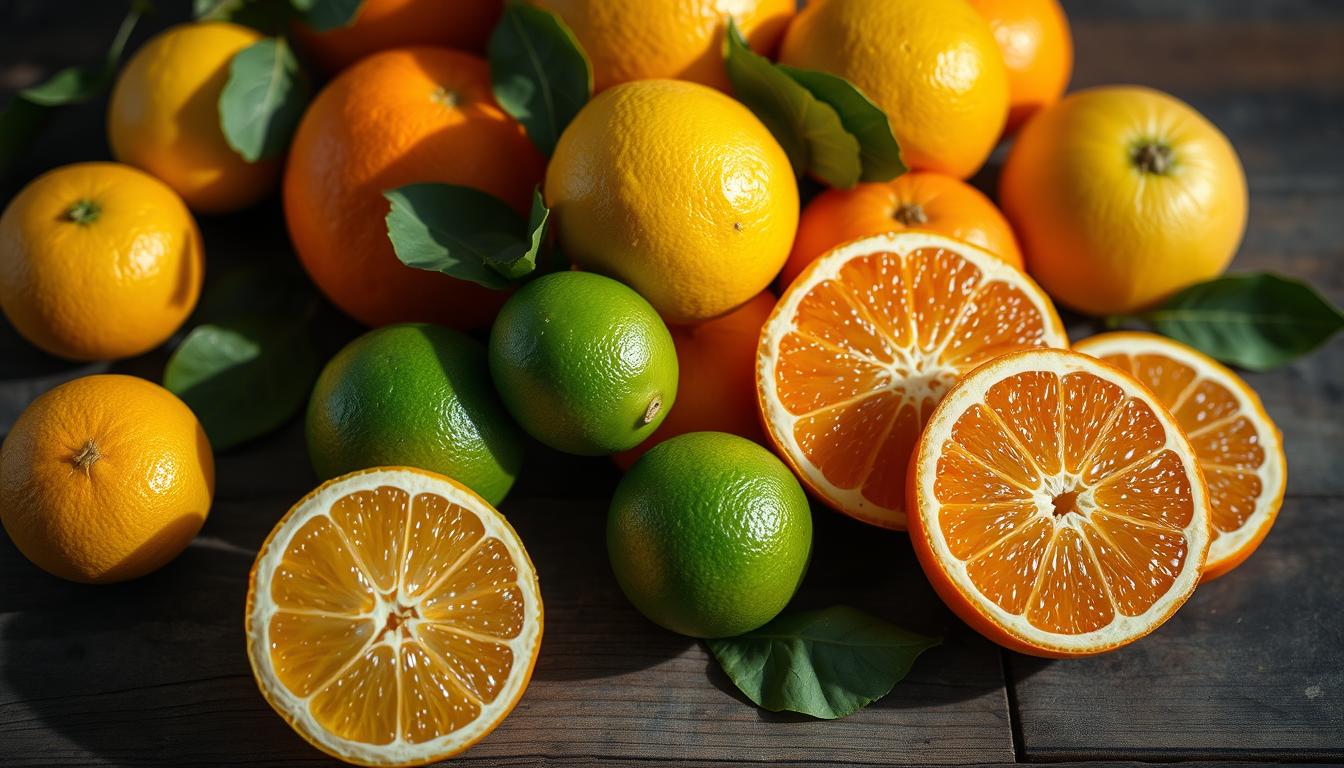
It’s important to spot spoilage early. Look out for these signs:
- Soft or mushy spots on the fruit’s surface
- Unusual discoloration or dark patches
- Visible mold growth
- Wrinkled or shriveled skin
- Unpleasant or fermented odors
Handling Imperfect Citrus Fruits
Not all imperfect citrus fruits are bad. Here’s how to use them:
- Juicing: Soft fruits are great for fresh juice
- Zesting citrus with minor blemishes
- Using in baking or cooking recipes
- Creating marinades or dressings

Properly stored citrus can last a long time. Oranges in the fridge can last a month. Those on the counter last about a week.
Pro tip: Remove any spoiled fruits immediately to prevent potential contamination of other produce.
Regular monitoring keeps citrus fruits fresh. It also makes sure you enjoy them at their best flavor and nutrition.
Make Use of Citrus Fruit Holders
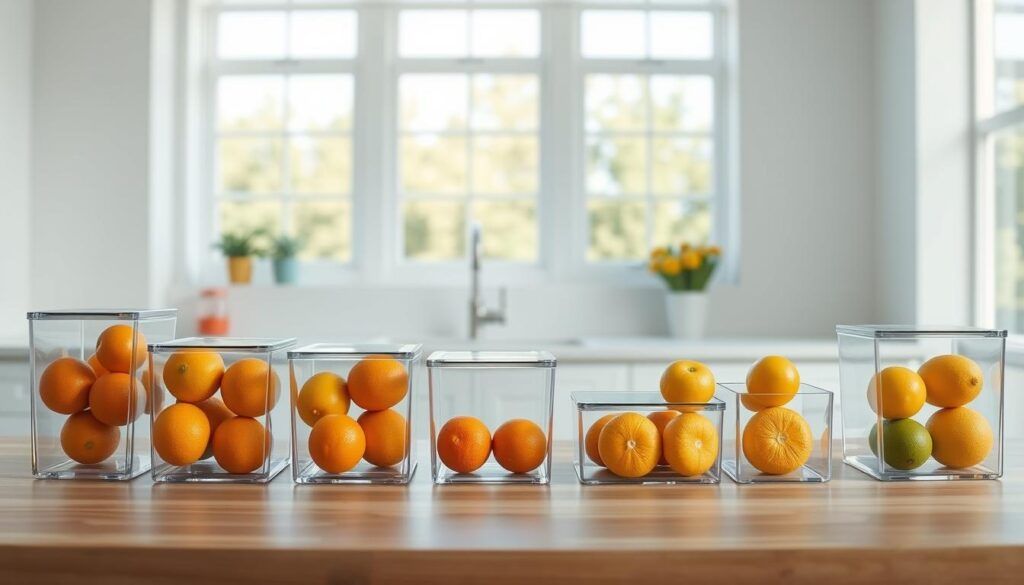
Storing citrus fruits can be tricky, but citrus fruit holders offer a smart solution. These containers are designed to keep your favorite citrus fruits fresh and protected.
Understanding Citrus Fruit Holders
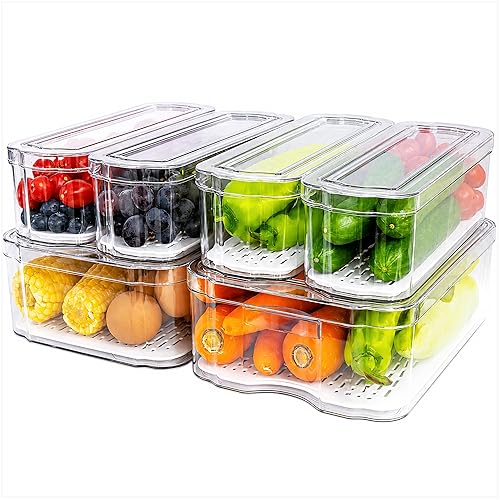
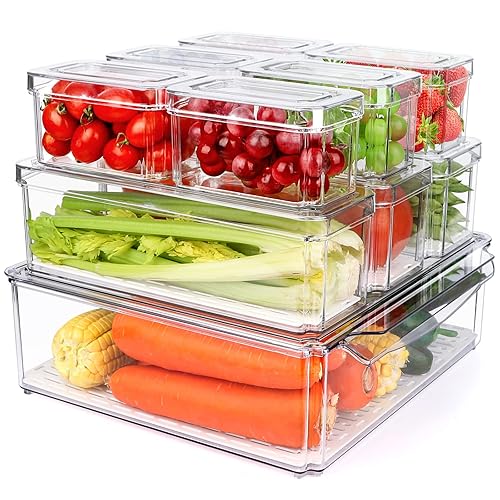
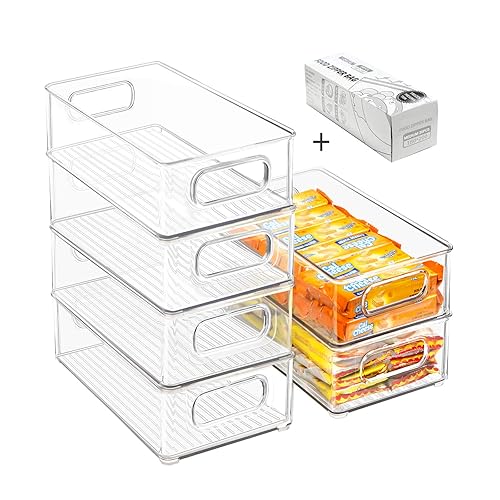
Citrus fruit holders are special containers for storing lemons, limes, oranges, and grapefruits. They have:
- Individual compartments to prevent fruits from touching
- Ventilation holes for proper air circulation
- Materials that help regulate humidity
Advantages of Home Storage Holders
Investing in citrus fruit storage solutions can extend the freshness of your produce. Here are the key benefits:
- Prevents Bruising: Keeps fruits separated and protected
- Improves Air Circulation: Reduces moisture build-up
- Organizes Your Kitchen: Creates a neat storage system
Storing citrus fruit becomes more effective with the right holder. Experts recommend choosing containers that allow fruits to breathe. They should also protect them from direct sunlight and extreme temperatures.
| Holder Type | Best For | Storage Duration |
|---|---|---|
| Mesh Holders | Room Temperature Fruits | 1-2 Weeks |
| Refrigerator Containers | Extended Freshness | Up to 30 Days |
| Ventilated Ceramic Holders | Decorative Kitchen Storage | 7-10 Days |
By selecting the correct citrus fruit storage solution, you can reduce food waste. You can enjoy fresh, flavorful fruits for longer periods.
Long-Term Storage Options
Preserving lemons, limes, and oranges is a simple process. If you have more citrus than you can use, there are ways to keep it fresh for longer. This helps reduce food waste.
Freezing citrus fruits is a great way to keep them for later. You can store them in a few easy ways:
- Freeze whole fruits for up to 3-4 months
- Slice and freeze citrus segments in airtight containers
- Juice fruits and freeze in ice cube trays for easy portioning
Freezing Citrus Fruits: A Comprehensive Guide
To freeze citrus fruits properly, follow the right steps. Select fruits that are firm and free from blemishes. Clean them well, dry them thoroughly, and remove the seeds before storing them in the freezer.
For the best results, wrap each fruit in plastic wrap or put them in freezer-safe bags. This stops freezer burn.
Canning for Extended Preservation
Canning is another great way to preserve lemons, limes, and oranges. Sealed jars can keep your citrus tasty for up to nine months. You need to sterilize jars, make a citrus syrup, and seal them well to keep the flavor in.

Pro tip: Choose fruits that feel heavy for their size and have unblemished skin for the best preservation results.
Using these storage methods helps you waste less food. You’ll always have fresh citrus for recipes, drinks, and more.
Freshness Tips for Enjoying Citrus Fruits
Keeping citrus fruits fresh is an art. It’s more than just storing them. With the proper techniques, your citrus can become a culinary star.
Citrus fruits are very versatile. They offer many ways to stay fresh and exciting. Smart storage tips can make these fruits last for weeks or months.

Reviving and Preserving Flavor
Don’t worry if your citrus loses its sparkle. Try these tips to bring it back:
- Roll citrus fruits on a countertop to release more juice
- Soak slightly dried fruits in warm water for 10 minutes
- Zest fruits before they completely lose their freshness
Creative Citrus Recipes and Uses
Try new ways to use citrus to make it last longer. Here are some ideas:
- Freeze citrus zest for future cooking
- Create homemade citrus-infused oils
- Dehydrate citrus slices for garnishes and teas
Product offers are temporarily unavailable.
With the correct methods, your citrus can become a flavorful ingredient. It can make many dishes better.
Pro tip: Dehydrating citrus at 125°F for 8-12 hours can preserve them for up to a year!
Know When to Toss Them
It’s important to know when to discard citrus fruits to prevent spoilage and keep food safe. In the United States, 150,000 tons of food are wasted every day. Spotting the signs of spoiled fruit can help reduce waste and keep you healthy.
Look for soft spots, unusual colors, or mold on citrus fruits. If they have fuzzy patches or feel too soft, it’s time to get rid of them. Unusual smells or a slimy feel mean they’re past their best.
How you store citrus fruits affects how long they last. Lemons can stay fresh for up to two weeks in the fridge. However, bad storage can cause them to spoil faster. Always check your fruits often, and throw away any that don’t look good. Remember, one moldy fruit can spread to others.
Your health is the most important thing when it comes to food. If you’re not sure if a fruit is good, it’s safer to throw it away. By watching for signs of spoilage, you can enjoy fresh and safe fruits every time.
Frequently Asked Questions (FAQs): Storing Citrus Fruit
How long can citrus fruits typically last when stored properly?
Should I wash my citrus fruits before storing them?
Can I store different types of citrus fruits together?
Is it better to store citrus fruits in the refrigerator or on the counter?
How can I tell if my citrus fruits are going bad?
Can I freeze whole citrus fruits?
What’s the best way to prevent citrus fruits from drying out?
Do citrus fruits continue to ripen after being picked?
How can I revive slightly dried-out citrus fruits?
Are there any special storage containers for citrus fruits?

Final Thoughts on Storing Citrus Fruits
Storing citrus fruits properly is super simple and totally worth it if you want to keep them fresh and flavorful for as long as possible.


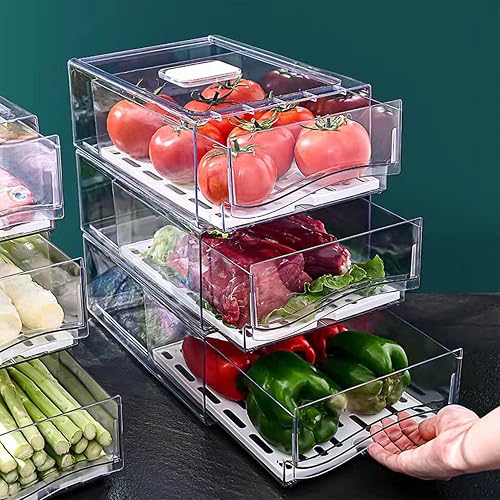
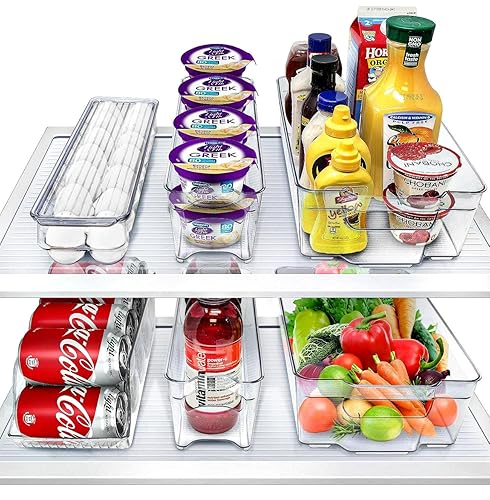

Whether you store them in the fridge or keep them at room temperature, make sure to give them a little TLC. Avoid cramped storage, check for spoiled fruit, and know when it’s time to enjoy them.
With these tips, your oranges, lemons, limes, and grapefruits will always bring their A-game to your recipes or snack time. Happy citrus storing!
Further Recommendations:
- Winterproofing the Garden
- A Beginner’s Guide to Growing Lettuce
- Exciting Edible Mushrooms
- Homesteading
- Beginner’s Guide to Growing Tomatoes
- The ultimate guide to growing Serrano Peppers in pots
- Ultimate Guide to Strawberries
- Discover the World of Peppers
- What are Heirloom Strawberries
- What not to plant with strawberries
- When to transplant strawberries
- Best Organic Fertilizers for Strawberries
- What is a Strawberry Tree?
- Stylish Gardening Arm Sleeves for Gardening
- What animals eat strawberries
- Do strawberries grow on trees?
- Best Outdoor Composting Bins
- Ultimate Guide to Kiwi Fruit
- Understanding Mushrooms
- How much cold can strawberries tolerate?
Video: How to Store Citrus
Reference Links
- Keep Fruits and Vegetables Fresher Longer – American Heart Association
- Storing Citrus Fruits 101: How to Store Citrus Fruits – US Citrus


Leave a Reply