

Ever wondered how to keep your blueberries fresh and delicious for as long as possible? The secret lies in understanding proper blueberry storage techniques. So, do blueberries need to be refrigerated? The answer isn’t as straightforward as you might think.
Fresh blueberries are delicate fruits that require careful handling. Blueberry storage can make the difference between enjoying plump, juicy berries and ending up with a mushy, spoiled mess. Most experts recommend refrigeration as the best method to extend their shelf life.
Your refrigerator can be a blueberry’s best friend, helping them stay fresh for 10-14 days when stored correctly. The right temperature and storage conditions can preserve their flavor, texture, and nutritional value.
Key Takeaways
- Refrigeration extends blueberry freshness up to 14 days
- Proper storage prevents premature spoilage
- A temperature between 32-40°F is ideal for blueberries
- Avoid washing berries before refrigeration
- Check berries regularly for signs of spoilage
Understanding Blueberry Storage
Keeping blueberries fresh needs careful storage. It’s more than just putting them in the fridge. How you store them affects their taste, texture, and health benefits.
Why Storage Matters for Freshness
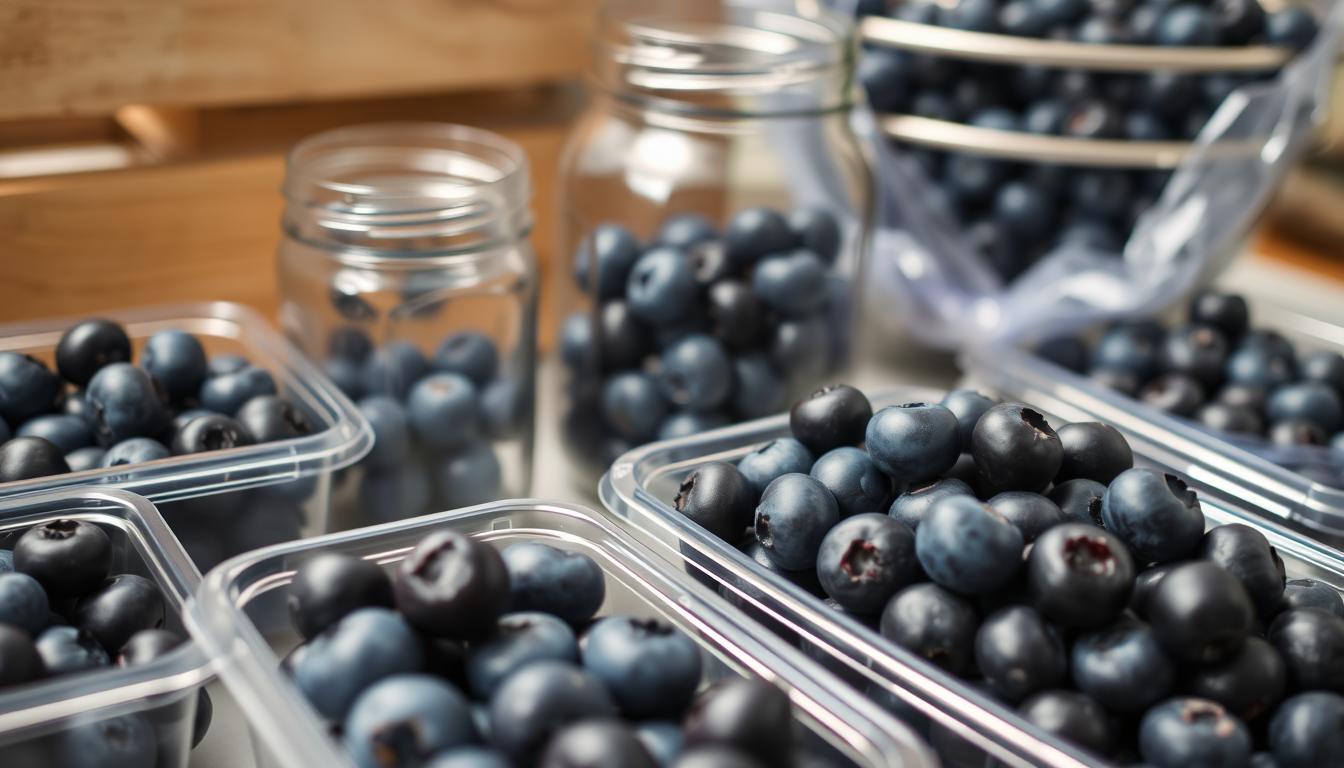
Storing blueberries correctly is key to keeping them fresh and flavorful. Studies show that proper storage can make them last longer. Here are some important points:
- Unwashed blueberries in their packaging can stay fresh for up to 9 days in the fridge
- Storing them at room temperature makes them spoil faster
- Keeping them dry is essential to stop them from rotting quickly





The Impact of Temperature on Berries
Temperature greatly affects how long blueberries stay fresh. Refrigeration slows down bacterial growth and keeps them in better shape. Berries left at room temperature can spoil in just 4 hours when it’s hot.
| Storage Method | Days Until Decay | Key Observations |
|---|---|---|
| Refrigerated (Unwashed) | 9 days | Optimal preservation |
| Room Temperature | 4 hours | Rapid deterioration |
| Hot Water Washed | 4 days | 16% mass reduction |
Optimal Conditions for Blueberries
To keep them fresh, use a container that allows air to circulate. Line it with paper towels to soak up extra moisture. Blueberries are special because of their thick skins and lots of anthocyanins, which help them last longer.
Pro tip: Always check your blueberries before storing them. One moldy berry can spoil the whole batch.
Do Blueberries Need to Be Refrigerated?
It’s important to know how to store blueberries to keep them fresh. The proper storage can make them last longer and taste better.

Yes, blueberries should be refrigerated. They don’t last long at room temperature. They spoil in just 1 to 2 days.
Short-Term Vs. Long-Term Storage
How you store blueberries depends on when you want to eat them. Here’s a simple guide:
- Short-term storage (1-2 days): Room temperature is okay
- Long-term storage (up to 2 weeks): You need to refrigerate them
Refrigerated blueberries can last up to 2 weeks. Keep them between 32°F and 40°F to slow down spoilage and keep them firm.
How Refrigeration Affects Flavor and Texture
Refrigeration is key to keeping blueberries fresh. Cold temperatures slow down ripening and prevent spoilage. This way, you get:
- A crisp texture
- A bright color
- A sweet taste
For optimal storage, use a breathable container lined with paper towels. It absorbs moisture and prevents spoilage.
Benefits of Refrigerating Blueberries
Smart storage is key to keeping blueberries fresh and tasty. Refrigeration helps extend their shelf life. This way, you can enjoy these healthy berries for longer.

Storing blueberries in the fridge has many benefits. It’s not just about keeping them fresh. It also helps keep their flavor and nutrients at their best.
Maximizing Freshness and Nutrition
Refrigeration offers considerable advantages for your blueberries:
- Extends shelf life from 2 days to 10-14 days
- Preserves essential antioxidants and nutrients
- Slows down natural deterioration processes
- Maintains optimal berry texture and flavor
Temperature and Storage Insights
The best storage temperature for blueberries is between 32°F and 40°F. At these cool temperatures, bacteria grow more slowly. This keeps your berries fresh and crunchy. Pro tip: Always store blueberries in breathable containers to prevent moisture from building up.
Cold storage isn’t just about extending shelf life—it’s about preserving the incredible nutritional profile of blueberries.
Using the correct storage methods can help reduce food waste. Plus, each berry will stay full of nutrients and flavor.
Signs of Spoilage in Blueberries
Keeping your blueberries fresh means watching for signs of spoilage. Knowing what to look for is key to preventing spoilage.

Checking your blueberries regularly is part of fresh blueberry care. Not every change is bad, but some signs indicate it’s time to discard them.
Visual Inspection Criteria
- Visible mold growth (white or gray fuzzy patches)
- Soft or mushy texture indicates advanced deterioration
- Unusual discoloration (dull or brownish appearance)
- Wrinkled or shriveled berries
Sensory Warning Signs
- Off-putting sour smell
- Fermented or alcohol-like odor
- Unusual liquid surrounding berries
Remove spoiled blueberries right away to avoid ruining the rest. Keeping them in a cool place (32°F to 35°F) can make them last longer, up to 10-14 days.
Handling Spoiled Berries
If you find spoiled blueberries, discard the whole container. Don’t try to save berries near ones that are moldy. It’s better to be safe than sorry when it comes to your health.
Alternative Storage Methods
Exploring different ways to store blueberries can help them last longer and taste better. Refrigeration is standard, but there are other methods to keep your blueberries fresh.
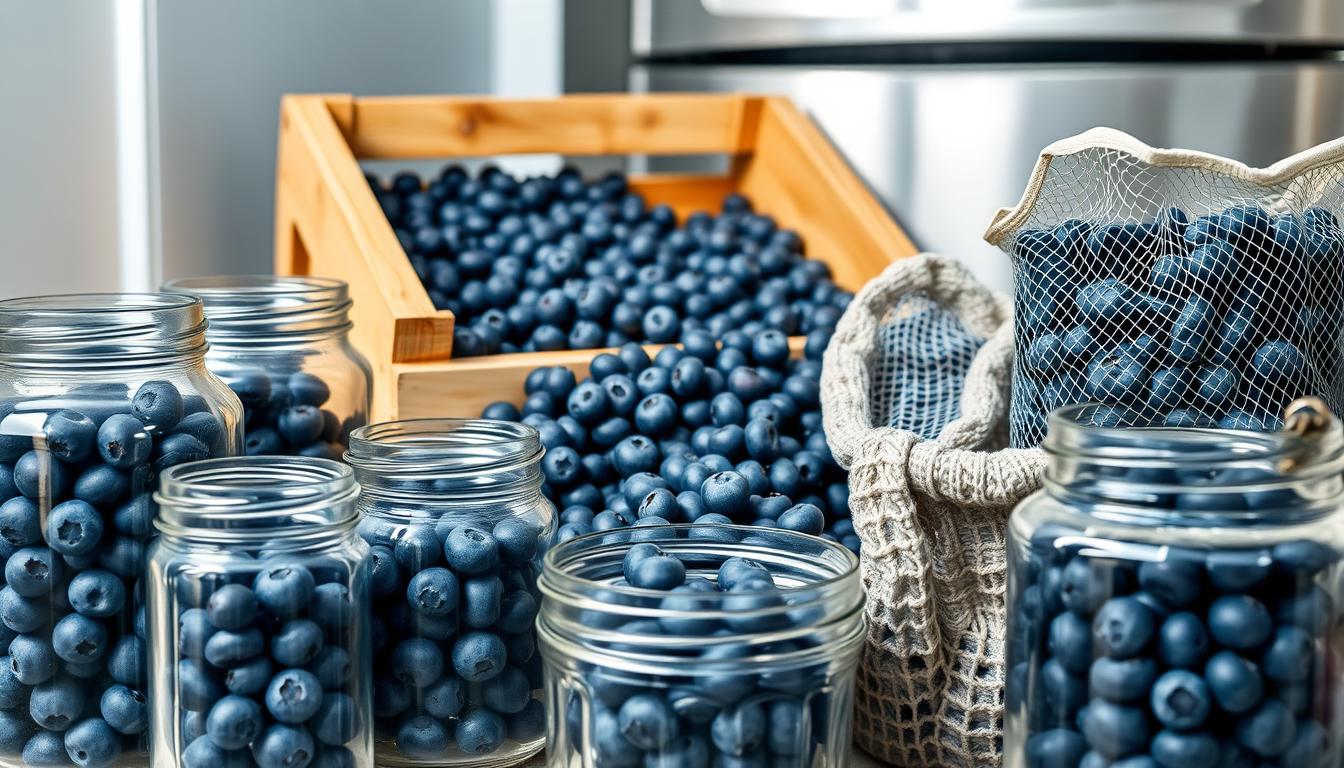
Room Temperature Blueberry Storage Tips
Storing blueberries at room temperature is good for a short time. Here are some tips:
- Keep blueberries in a cool, dry place
- Avoid direct sunlight and heat sources
- Consume within 1-2 days of purchase
- Check berries daily for signs of spoilage
Best Practices for Freezing Blueberries
Freezing is a great way to keep blueberries for a long time. Here’s how to do it right:
- Rinse berries gently and pat dry completely
- Spread berries in a single layer on a baking sheet
- Freeze for 2 hours until individually frozen
- Transfer to a freezer-safe bag or container
- Label with the date of freezing
Pro tip: Frozen blueberries are perfect for smoothies, baking, and as a snack. They keep most of their nutrients when frozen correctly.
According to the National Center for Food Preservation, avoid washing blueberries before freezing to prevent tougher skins.
Learning about room temperature and freezing storage can help you enjoy your blueberries longer. It also helps reduce food waste.
How to Store Fresh Blueberries
Proper care is key to keeping blueberries fresh and flavorful. Storing them right helps keep their nutritional value high. It’s all about preventing spoilage.

To keep your blueberries fresh, follow some important steps. Most will stay good for 5 to 10 days in the fridge.
Choosing the Right Storage Container
The container you choose is crucial. Here are some good options:
- Plastic clamshell containers with ventilation
- Shallow containers lined with paper towels
- Original packaging with breathable design
Keeping Blueberries Dry is Crucial
Blueberries hate moisture. To keep them fresh:
- Avoid washing berries before refrigeration
- Use paper towels to absorb excess moisture
- Store in the low-humidity section of your refrigerator
Pro tip: The ideal storage temperature for blueberries is around 40°F, which helps preserve their texture and flavor.
By using these storage tips, your blueberries will stay tasty and healthy longer. Remember, the right care begins when you bring them home.
The Best Temperature for Storing Blueberries
Keeping your blueberries fresh starts with knowing the correct storage temperature. The temperature is key to keeping them fresh and extending their shelf life.
Blueberries need a cool place to stay fresh. The best temperature range is between 32°F and 40°F (0 °C and 4°C). This keeps their taste, texture, and nutrients in top shape.
Optimal Refrigeration Conditions
Here are some important temperature tips for storing blueberries:
- Keep berries in the coolest part of your fridge
- Avoid the fridge door, where temperatures change a lot
- Use a container that lets air in to stop moisture buildup
Temperature Impact on Berry Quality
Temperature changes can hurt blueberry quality. Consistent cool temperatures are vital to stop them from spoiling fast and staying fresh.
When blueberries face temperature changes, they can:
- Get soft spots faster
- lose their firmness
- be more likely to grow mold

Pro tip: Store your blueberries on the middle or upper shelves of your fridge. This keeps the temperature steady, preventing freezing or overheating.
Myths About Blueberry Storage
Many myths surround blueberry storage, making it hard to know the best way to keep them fresh. Knowing the truth can help you enjoy their taste longer and prevent them from going to waste.
Some people think it’s always okay to leave blueberries at room temperature. This is not entirely true. While they can sit out for a bit, their freshness doesn’t last long.
Common Misconceptions About Blueberry Storage
- Myth: Blueberries can stay fresh indefinitely at room temperature
- Myth: Washing blueberries before storage always helps preserve them
- Myth: All containers are equally suitable for blueberry storage
The Truth Behind Room Temperature Storage
Storing blueberries correctly is key. The room temperature is best for just a short time. Blueberries usually last only one to two days before they start to spoil.
| Storage Method | Expected Freshness Duration |
|---|---|
| Room Temperature | 1-2 days |
| Refrigerated | Up to 2 weeks |
| Frozen | Up to 1 year |
To keep your blueberries fresh, refrigeration is usually the best choice. If you’ll eat them soon, room temperature is okay. For longer storage, always choose refrigeration or freezing.
When to Wash Your Blueberries
Caring for fresh blueberries is all about using the proper washing techniques. Knowing when and how to clean them can greatly affect their freshness and safety.





Experts say a simple rule for keeping blueberries fresh: wash only when you’re ready to eat. Washing too early can make them soggy and cause them to spoil faster.
Best Practices for Washing Blueberries
When it’s time to enjoy your blueberries, follow these steps:
- Rinse berries under cool running water
- Use gentle streams to prevent bruising
- Avoid soaking berries directly in water
- Pat dry immediately with clean paper towels
Effects on Longevity and Safety
Keeping berries dry is key for extended storage. Too much moisture can lead to the growth of mold and bacteria. The U.S. Food and Drug Administration suggests washing hands before handling produce to avoid contamination.
For big batches, wash blueberries in small amounts. A vinegar rinse (3 parts water to 1 part distilled white vinegar) can prevent mold and extend shelf life. Rinse well after the vinegar bath to remove any remaining taste.
Remember, blueberries stored in the fridge can last 5-7 days with proper care. Your fresh blueberry care routine is crucial for keeping their taste and nutritional value.
Recipes Using Fresh Blueberries

Blueberries are culinary superstars that make ordinary dishes extraordinary. They are great for extending shelf life or trying new recipes. These versatile berries offer endless possibilities for home chefs.
Product offers are temporarily unavailable.
Easy Snacks and Quick Desserts
Fresh blueberry care starts with incorporating them into daily meals. Here are some simple recipe ideas:
- Blueberry Yogurt Parfait: Layer Greek yogurt, fresh blueberries, and granola
- Overnight Blueberry Oats: Mix rolled oats with blueberries and milk
- No-bake Blueberry Cheesecake Cups
- Blueberry Smoothie with Banana
Creative Cooking with Blueberries
Improve your cooking skills with these innovative blueberry recipes. They show the fruit’s versatility:
- Blueberry Balsamic Chicken Glaze
- Savory Blueberry Salsa
- Blueberry Spinach Salad
- Blueberry Barbecue Sauce
Baking Blueberry Delights
For baking enthusiasts, blueberries are a game-changer. The Blueberry Dump Cake is a quick and tasty option:
- Ingredients:
- 42 ounces of blueberry pie filling
- 1 box yellow cake mix
- ½ cup melted butter
- Baking Details:
- Temperature: 350°F
- Baking Time: 30-33 minutes
- Servings: 8
- Calories per serving: 102 kcal
Exploring these recipes will not only give you delicious meals but also help you discover new flavors to enjoy. It also enables you to care for fresh blueberries, ensuring you enjoy them before they spoil.

Frequently Asked Questions (FAQs): Do blueberries need to be Refrigerated?
Do blueberries need to be refrigerated?
How long can blueberries stay fresh at room temperature?
Can I freeze blueberries?
How can I tell if blueberries have gone bad?
Should I wash blueberries before storing them?
What’s the best way to store fresh blueberries?
Do blueberries lose nutrients when refrigerated?
Can I store blueberries with other fruits?

Final Thoughts on Keeping Your Blueberries Fresh
Learning how to store blueberries is crucial for enjoying them at their peak. Proper storage helps keep them fresh and full of nutrients. Yes, blueberries should be refrigerated to prevent them from spoiling quickly.
For optimal storage, please keep them in the fridge at 34°F to 38°F. Store them in a single layer and don’t wash until just before eating. Frozen blueberries are also great, lasting up to 8 months and keeping most of their nutrients.
Fresh blueberries can last 7 to 14 days if stored properly. Look out for mushy texture or color changes. Enjoy them within a week for the best taste and texture. Following these tips will make your blueberry experience better and reduce waste.
With the proper storage, blueberries make a tasty and healthy snack. Your careful storage keeps each handful fresh, flavorful, and full of health benefits.
Further Recommendations:
- Winterproofing the Garden
- A Beginner’s Guide to Growing Lettuce
- Exciting Edible Mushrooms
- Homesteading
- Beginner’s Guide to Growing Tomatoes
- The ultimate guide to growing Serrano Peppers in pots
- Ultimate Guide to Strawberries
- Discover the World of Peppers
- What are Heirloom Strawberries
- What not to plant with strawberries
- When to transplant strawberries
- Best Organic Fertilizers for Strawberries
- What is a Strawberry Tree?
- Stylish Gardening Arm Sleeves for Gardening
- What animals eat strawberries
- Do strawberries grow on trees?
- Best Outdoor Composting Bins
- Ultimate Guide to Kiwi Fruit
- Understanding Mushrooms
- How much cold can strawberries tolerate?

Leave a Reply