
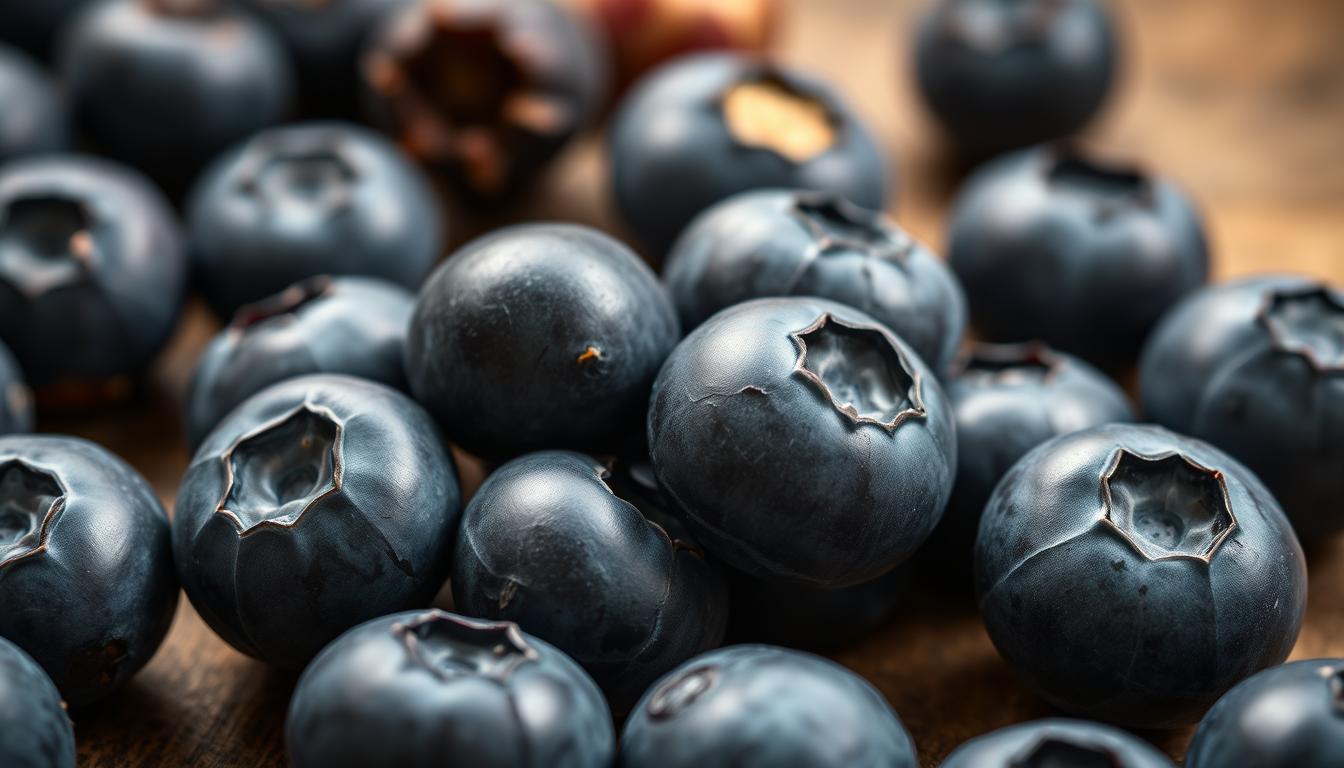
Ever bitten into a blueberry and found it’s gone bad? Knowing how to tell if blueberries are bad is key to enjoying them at their best. In this guide, I’ll show you how to check if blueberries are fresh. This way, you can avoid bad ones in your snacks or recipes.
Key Takeaways
- Learn the key signs of spoiled blueberries to avoid disappointment.
- Recognize color changes that indicate blueberries are no longer fresh.
- Understand the role of texture in assessing blueberry quality.
- Smell can be a reliable indicator of freshness; know what to look for.
- Discover proper storage techniques to extend the shelf life of your blueberries.
- Identify different types of mold that can affect blueberries, and how to handle them.
Understanding Blueberries’ Freshness
Assessing blueberry freshness is important. Knowing why they spoil is key. Blueberries can spoil due to moisture, leading to mold and decay. It’s vital to keep them dry and store them correctly.
What Makes Blueberries Go Bad?
Moisture is the main reason blueberries spoil. High humidity or being left uncovered shortens their life. Always check for moisture before storing.
The Ideal Storage Conditions for Blueberries
For longer-lasting blueberries, follow these tips. Store them in a breathable container in the fridge. Place them on the upper shelves, not in the crisper drawer. This keeps them dry and fresh longer.






Signs of Spoilage in Blueberries
When I buy blueberries, I aim for the freshest fruit. There are clear signs to spot, like color and texture changes. Watching these signs helps me know if the berries are still good.
Color Changes to Look For
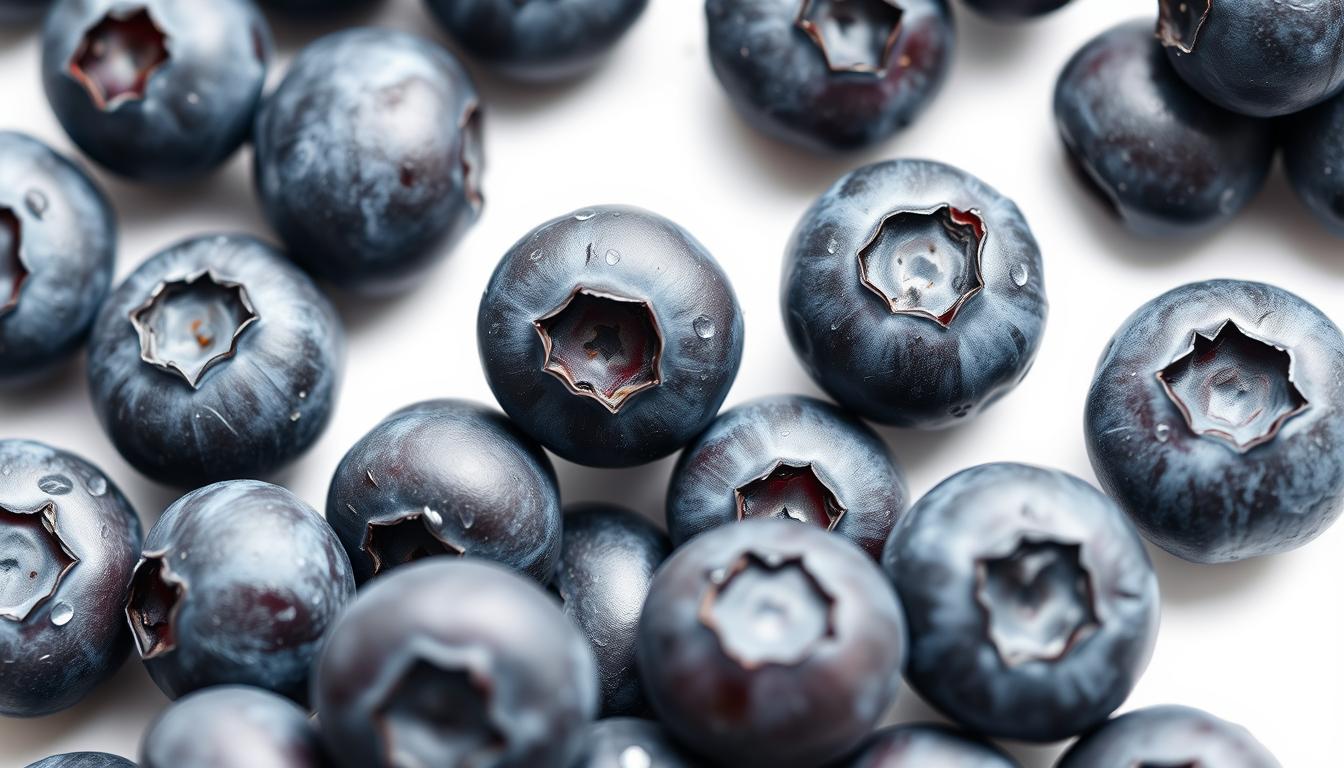
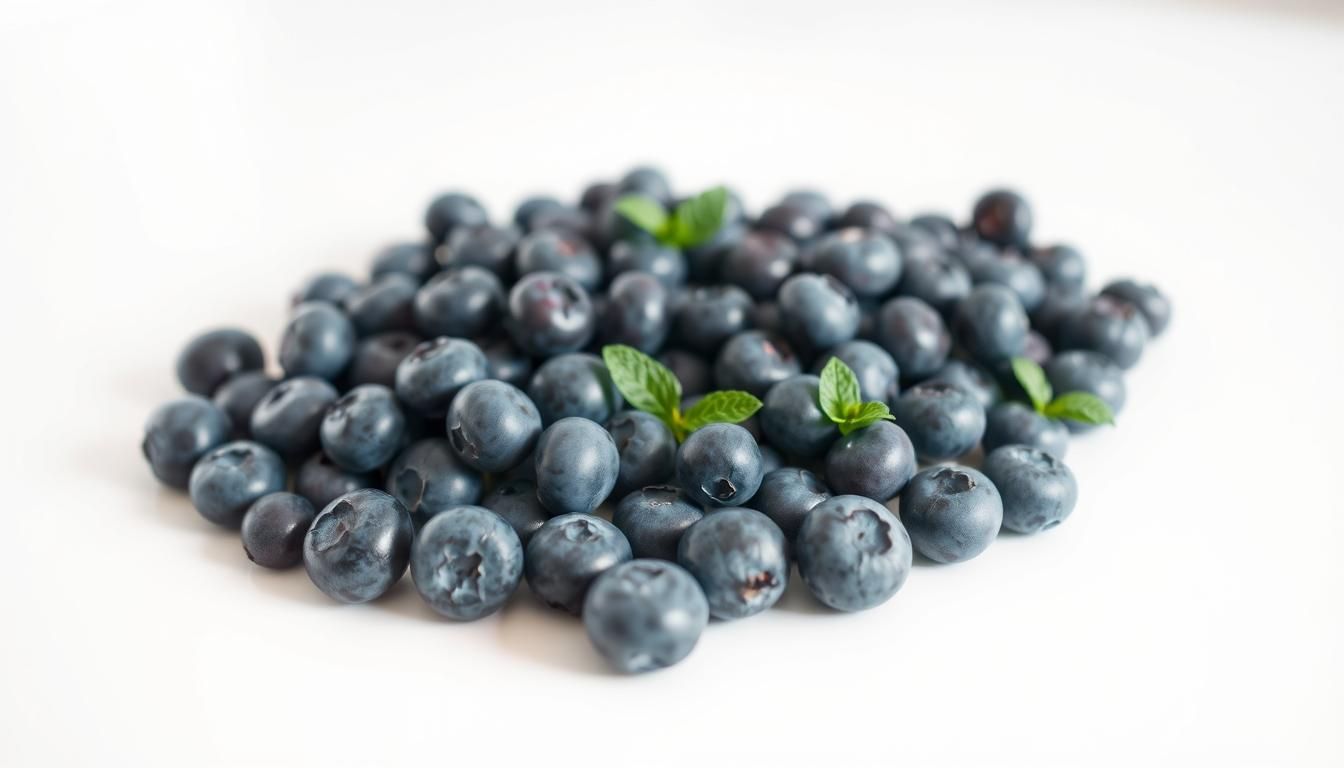
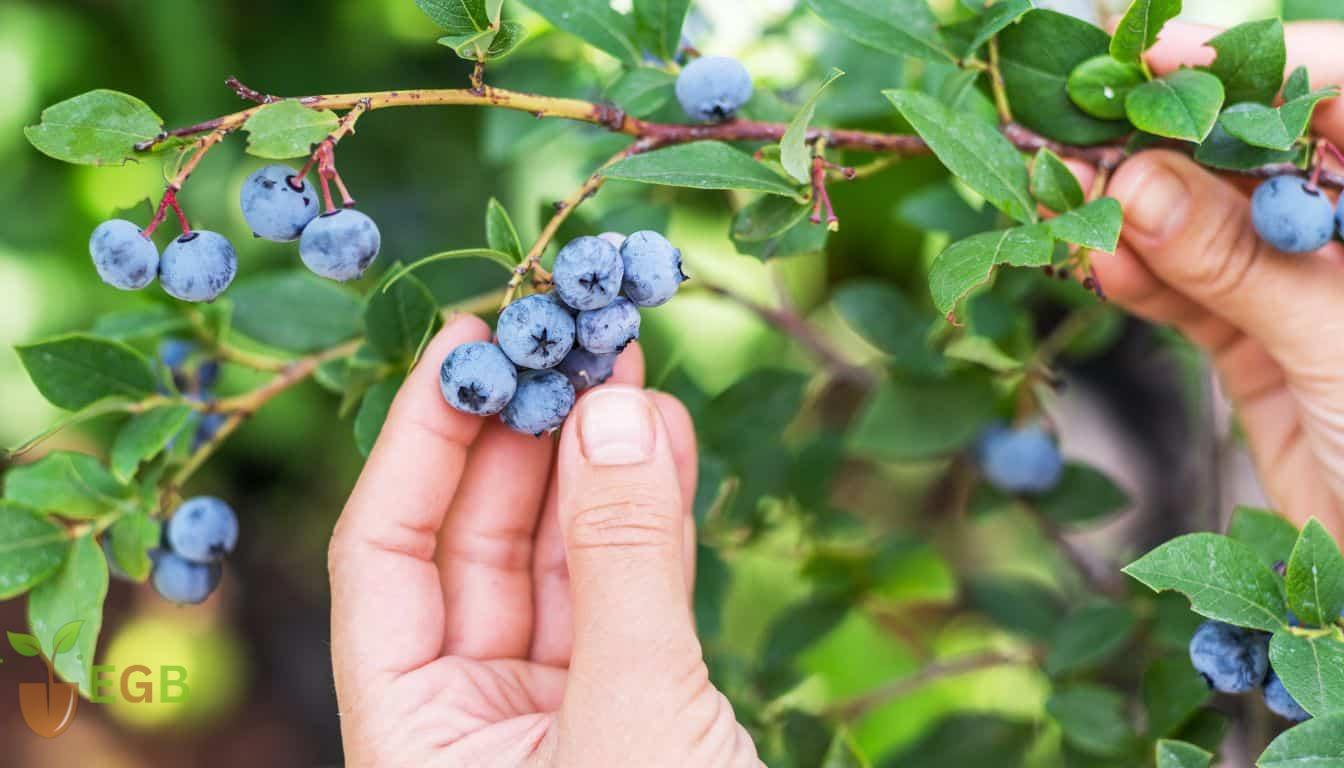
Fresh blueberries are a vibrant blue or deep purple. Over time, their color changes subtly. If they look dull or faded, they might be old.
Any brown or gray spots indicate that they’re likely to be bad. Checking color changes helps me avoid bad fruit.
Texture and Shape Indicators
Texture is another clue to blueberry freshness. Fresh ones are firm and plump. Mushy or shriveled ones are not fresh.
I also check for soft spots or bruises near the stems. These signs often mean the fruit is spoiled. Regular checks help me avoid bad berries.

The Importance of Smell
Smell is key when checking if blueberries are fresh. A sweet scent usually means they’re good to go. But if they smell sour or funky, it’s time to toss them. Paying attention to smell makes my blueberry experience better and ensures I eat quality fruit.
Sweet vs. Sour Odor: What to Sniff For
Being aware of the blueberry smell helps me decide what to buy and eat. I sort smells into three categories:
| Type of Odor | Freshness Indicator |
|---|---|
| Sweet | Fresh and ripe blueberries |
| Sour | Possible spoilage; discard |
| Pungent | Indicates fermentation; discard |
Checking the firmness and smell of blueberries together helps me make an informed choice. This way, I get the most out of blueberries.
Checking for Mold
When I check my blueberries, I always look for mold. It’s crucial to spot moldy blueberries early to avoid a bigger problem. Mold shows up as fuzzy or dark spots on the berries.
These small signs mean it’s time to act fast. Mold can spread quickly, so I check each berry carefully. If I see mold on a blueberry, I throw it away to protect the others.

- White Mold: Looks like a powdery substance on the berries.
- Green Mold: Is fuzzy and means the berries are spoiled.
- Black Mold: This is very dangerous and should be avoided.
By watching for blueberry expiration signs and knowing about mold, I can enjoy fresh blueberries. This way, I can keep my fruit tasty for longer.
The Role of Expiration Dates
Expiration dates are key to knowing when blueberries are fresh. They help me avoid waste and enjoy blueberries at their sweetest. The shelf life of blueberries depends on how they are stored.
When stored in the fridge, blueberries can last 5 to 10 days. But, if left at room temperature, they only last 1 to 2 days.
Freezing is a great way to keep blueberries fresh for longer. They can stay good for up to six months in the freezer. Checking both the expiration date and the appearance of the berries is important. This way, I can make sure I enjoy them at their best.

Storage Tips for Longevity
Keeping blueberries fresh for an extended period is easy with the right storage tips. Knowing how to store them properly can extend their shelf life. This way, they stay fresh and tasty for your next snack or recipe.
The Best Way to Store Fresh Blueberries
Don’t wash blueberries before refrigerating them. Moisture can cause them to spoil faster. Instead, I use a breathable container with paper towels to absorb moisture. This keeps them fresh for longer.
Freezing Blueberries for Later Use
Freezing blueberries is great when you have too many. First, I rinse and dry them to remove water. Then, I freeze them on a baking sheet to prevent clumping. Once frozen, I put them in airtight bags for later use in smoothies or baking.

Impact of Overripe Blueberries
Knowing when blueberries are bad is key. Overripe blueberries lose their flavor and become mushy. They’re no longer the firm, fresh fruit we love.
It’s tempting to use them in recipes, but their taste and nutrition suffer. This is why it’s important to check their ripeness.
How Overripe Affects Flavor and Nutrition
The flavor change is the first sign. Overripe blueberries go from sweet to bland. They lack the vibrant taste we expect from fresh fruit.
This unappealing flavor makes them less fun to eat. In terms of nutrition, they may lose some vitamins and antioxidants. It’s essential to check ripeness to reap the maximum health benefits.
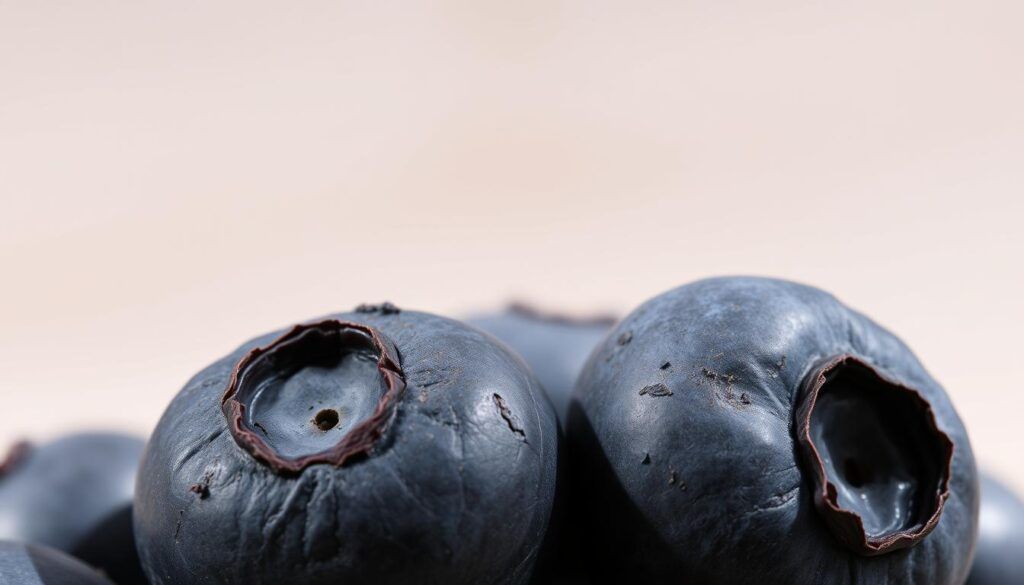
| Characteristic | Fresh Blueberries | Overripe Blueberries |
|---|---|---|
| Flavor | Sweet and Tangy | Bland or Sour |
| Texture | Firm and Plump | Mushy and Soft |
| Nutritional Value | High in Antioxidants | Reduced Nutrients |
Handling and Washing Blueberries
Fresh blueberries are a treat, full of taste and nutrients. To enjoy them fully, it’s important to handle and wash them correctly. I’ve learned that gentle care keeps them fresh and tasty.
Instead of rinsing blueberries under water, I soak them in a bowl. This method cleans them well without harming their skin. After soaking, I dry them well to stop moisture from spoiling them.
Proper Techniques to Clean Your Blueberries
- Fill a bowl with cold water.
- Gently place the blueberries in the bowl, allowing them to soak for a few minutes.
- Using your fingers, lightly agitate the water to help loosen any dirt or residue.
- Carefully lift the blueberries out of the water, letting any impurities settle at the bottom.
- Pat the blueberries dry with a clean paper towel or cloth.
Using these washing techniques makes sure my blueberries are clean and ready for recipes. Keeping them fresh requires careful handling and attention.
Taste Testing Blueberries
Taste testing blueberries is fun and insightful. The taste of blueberries tells us a lot about their quality. Fresh blueberries are sweet and juicy, bursting with flavor. They feel firm, making them a pleasure to eat.
When blueberries go bad, their taste changes. They can taste sour or even fermented. This means they’ve lost their freshness.
It’s important to notice these differences. This is crucial when picking berries for snacks or recipes. By paying attention to these signs, I choose the freshest berries. This makes my meals and snacks better.
The Nutritional Aspect of Fresh Blueberries
Fresh blueberries are a great addition to any diet. They offer many blueberry nutritional benefits. These small, vibrant berries are tasty and packed with essential nutrients.
One key benefit of fresh blueberries is their high antioxidant content. Antioxidants fight oxidative stress in the body. Eating these berries regularly can improve health and may lower the risk of chronic diseases.
Health Benefits of Eating Fresh Blueberries

- Heart Health: Blueberries can help lower blood pressure and cholesterol, promoting heart health.
- Brain Function: Studies show that eating blueberries may improve brain function and protect against age-related decline.
- Digestive Aid: Fresh blueberries are high in fiber, aiding digestion and maintaining a healthy gut.
- Anti-Inflammatory Properties: Blueberries contain natural compounds that can reduce inflammation in the body.
Adding fresh blueberries to my daily routine satisfies my sweet tooth and supports my health goals. There are many ways to enjoy these berries, like in smoothies, oatmeal, or as a snack. The health benefits are impressive and delicious!
| Nutrient | Benefit |
|---|---|
| Vitamin C | Boosts immune system function |
| Vitamin K | Supports bone health |
| Fiber | Aids digestion and promotes satiety |
| Antioxidants | Reduces oxidative stress and inflammation |
Creative Ways to Use Blueberries
When blueberries start to show signs of overripeness, they can still delight your taste buds in various delicious forms. Getting creative with these berries can prevent waste while letting you make the most of their flavor.
My wife and I enjoy transforming overripe blueberries into irresistible recipes that elevate simple ingredients into memorable dishes.
Product offers are temporarily unavailable.
Recipes for Overripe Blueberries
- Blueberry Muffins: Incorporating overripe blueberries into muffin batter creates a burst of flavor in every bite.
- Smoothies: Blending these berries into smoothies provides a rich, sweet base that pairs beautifully with bananas or spinach.
- Blueberry Compote: Cooking down overripe blueberries with a bit of sugar and lemon juice makes a fantastic topping for pancakes or yogurt.
- Homemade Jam: Simmering overripe blueberries with pectin and sugar yields a chunky jam that’s perfect on toast or pastries.
- Blueberry Sauce: A quick sauce for desserts like cheesecake, drizzled generously over a slice, elevates any meal.

Frequently Asked Questions (FAQ) – How to Tell if Blueberries Are Bad
How can I tell if my blueberries are bad?
What indicators should I look for to assess blueberry freshness?
How should I store blueberries to keep them fresh longer?
How can I identify moldy blueberries?
What is the shelf life of fresh blueberries?
What can I do with overripe blueberries?
What’s the best method for washing blueberries?
How do fresh blueberries taste compared to bad ones?
What are the health benefits of eating fresh blueberries?
How can I tell if blueberries have gone bad based on smell?
Final Thoughts: Keeping Blueberries Fresh
As I finish exploring blueberries, it’s clear that keeping them fresh is simple. Selecting the best blueberries and utilizing effective storage techniques can make a significant difference in the quality and shelf life of your blueberries.
I regularly check their quality and adjust my storage methods based on my observations.
By focusing on signs of spoilage and keeping clean while handling them, I get the most out of blueberries. Knowing how to spot changes in color, smell, and texture helps me enjoy them more. This makes my blueberry journey both fun and tasty.
In the end, a bit of effort can make fresh blueberries a regular treat. Making small changes in my daily routine means blueberries are always welcome in my meals. Whether in a recipe or as a quick snack, they stay a sweet part of my diet.
Further Recommendations:
- Winterproofing the Garden
- A Beginner’s Guide to Growing Lettuce
- Exciting Edible Mushrooms
- Homesteading
- Beginner’s Guide to Growing Tomatoes
- The ultimate guide to growing Serrano Peppers in pots
- Ultimate Guide to Strawberries
- Discover the World of Peppers
- What are Heirloom Strawberries
- What not to plant with strawberries
- When to transplant strawberries
- Best Organic Fertilizers for Strawberries
- What is a Strawberry Tree?
- Stylish Gardening Arm Sleeves for Gardening
- What animals eat strawberries
- Do strawberries grow on trees?
- Best Outdoor Composting Bins
- Ultimate Guide to Kiwi Fruit
- Understanding Mushrooms
- How much cold can strawberries tolerate?
Video: How to Tell if Blueberries Are Bad
Reference Links
- Blueberries and Health – USDA ARS
- Four Ways to Preserve Blueberries – UAEX
- Food Drying – National Center for Home Food Preservation
- Breeding Better Blueberries – ARS

Leave a Reply