
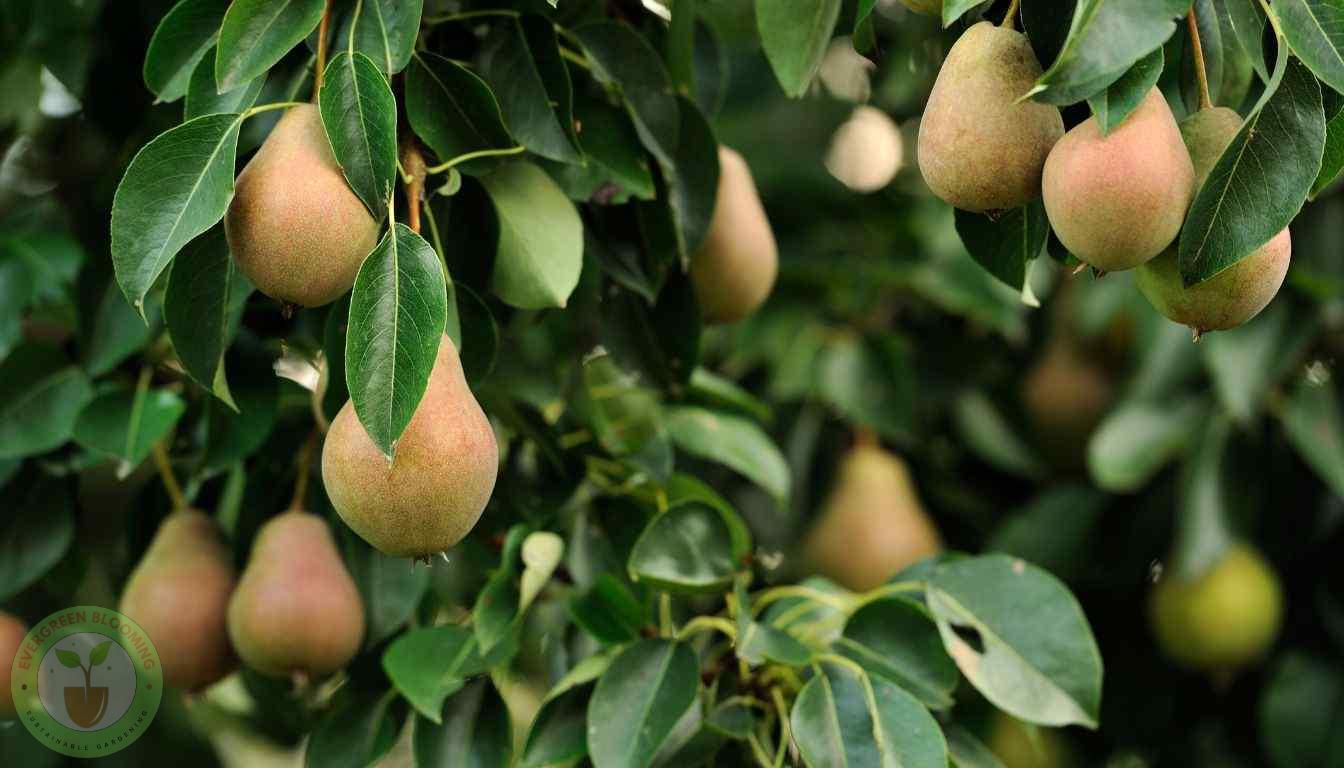
Ever wondered why your pear tree isn’t producing juicy, delicious fruits? Could the secret lie in a simple pruning technique most overlook?
Pruning a pear tree might seem scary, but I’m here to make it clear. Learning how to prune a pear tree is key for fruit tree lovers. It’s not just about cutting branches. It’s about creating a healthy, productive tree that gives you lots of fruit.
In this guide, I’ll show you all you need to know about pear tree care. You’ll learn from the basics to advanced pruning techniques. You’ll feel confident to shape your tree like a pro orchardist.
Key Takeaways
- Pruning is crucial for tree health and fruit production
- Proper techniques can significantly improve fruit quality
- Anyone can learn effective pear tree pruning
- Timing is critical in pruning success
- Regular maintenance prevents future tree problems
Why Pruning Is Important for Pear Trees
Keeping pear trees healthy means understanding the importance of pruning. Pruning is more than a seasonal task. It’s crucial for the tree’s health, fruit production, and lifespan.
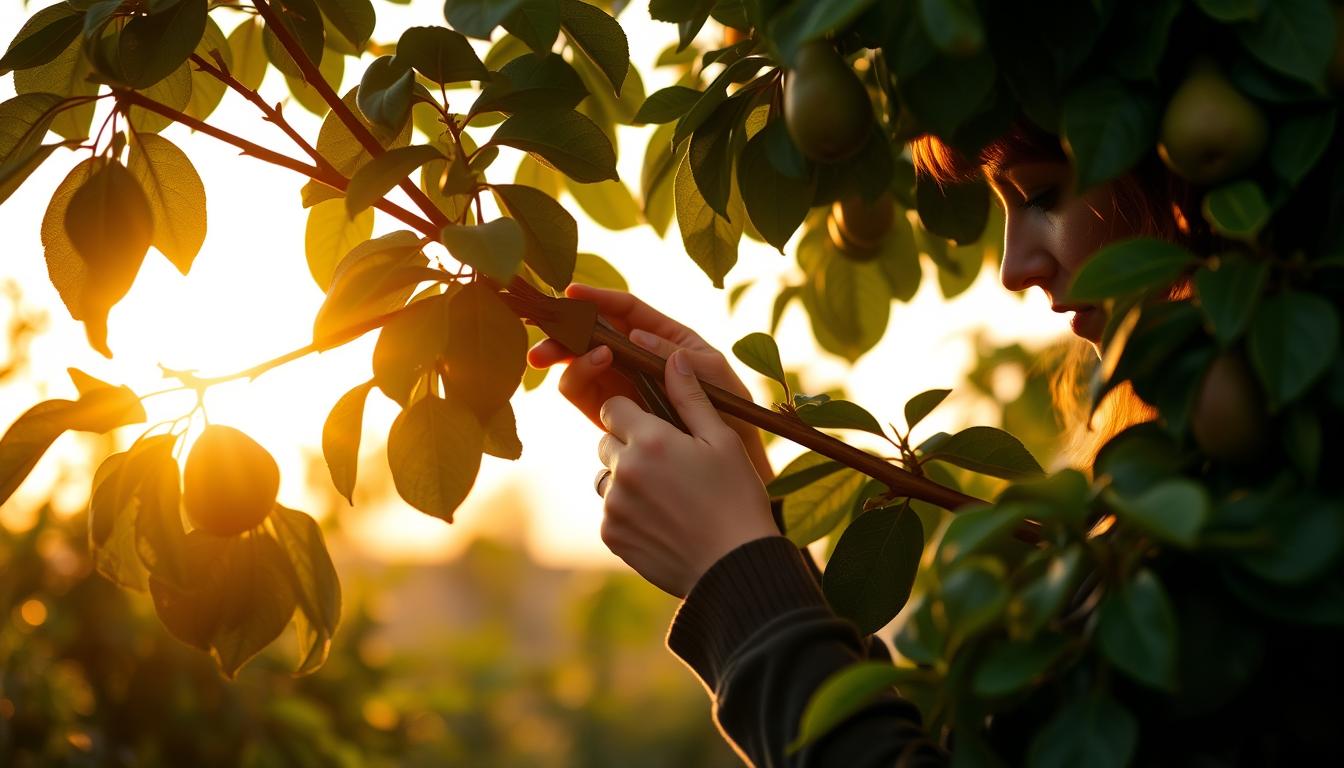
When I prune pear trees, I look at several key benefits. These make pruning a must-do:
Health Benefits of Proper Pruning
Pruning protects your pear tree from health threats. It removes dead, damaged, or diseased branches. This prevents harmful pathogens from entering the tree and strengthens it.
- Eliminates diseased wood before it spreads.
- Reduces risk of pest infestations.
- Promotes overall tree vigor.
Enhancing Fruit Quality
Pruning affects fruit production. Thinning out branches lets more sunlight and nutrients reach the fruit. This results in bigger, sweeter, and more fruit.



Promoting Better Air Circulation
Good pruning makes space between branches. This improves air circulation in the tree’s canopy. Better air circulation prevents fungal diseases and helps fruit grow healthier.
Good pruning is like giving your pear tree a breath of fresh air – literally and figuratively!
By spending time on careful pruning, your pear tree will stay healthy, productive, and beautiful for many years.
When Is the Best Time to Prune?
Timing is key when pruning fruit trees. Knowing when to prune pear trees is crucial for their health and fruit. The right time depends on the season and the tree’s type.
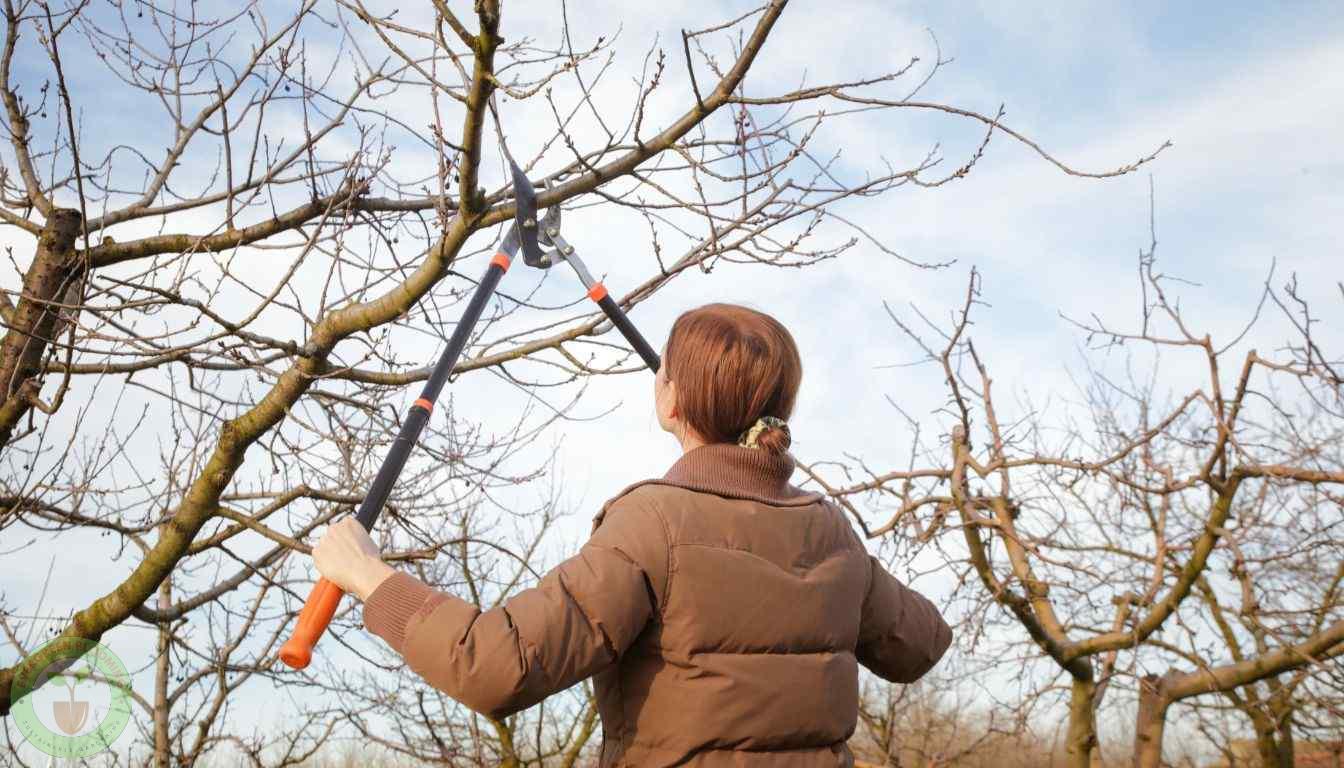
Winter vs. Summer Pruning Strategies
I suggest two main pruning times for pear trees:
- Winter Pruning: Best in the dormant season (late winter to early spring).
- Summer Pruning: Good for minor changes and managing growth.
Signs It’s Time to Prune
Watch for these signs to know when to prune pear trees:
- Branches crossing or rubbing.
- Dead or diseased wood.
- Too much vertical growth.
- Less fruit than usual.
Weather Considerations
Pruning needs careful planning based on your local weather. Here’s a quick guide:
| Climate Zone | Ideal Pruning Time | Key Considerations |
|---|---|---|
| Zones 3-5 | Late February to early March | Wait until winter’s worst is over |
| Zones 6-7 | Late January to mid-February | Prune before spring growth starts |
| Zones 8-10 | December to January | Prune during their longest dormant period |
Pro tip: Always use clean, sharp pruning tools to prevent disease transmission between cuts.
Tools I Need for Pruning a Pear Tree
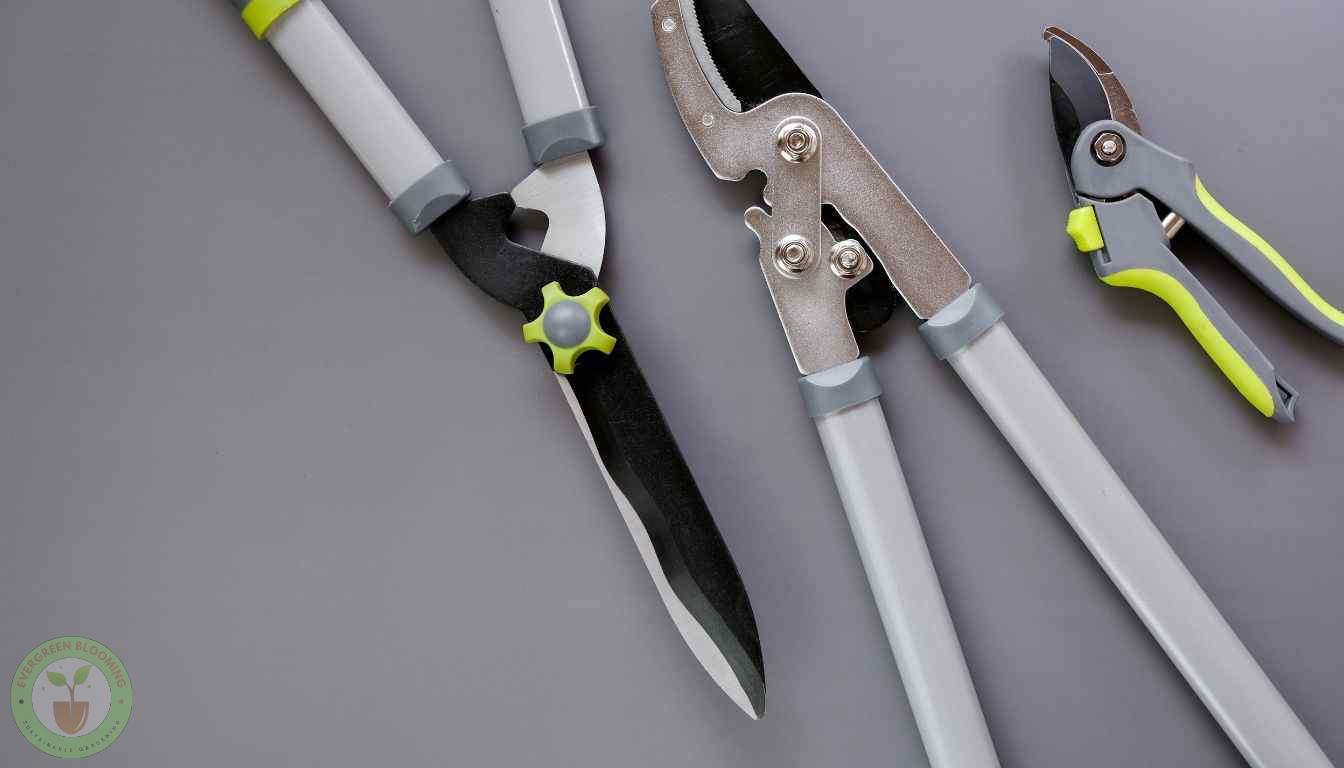
Starting with the right tools is key to caring for pear trees. The correct pruning tools can significantly improve your tree’s health and fruit. Here’s what you need for safe and effective pruning.
Essential Pruning Tools
Choosing the right tools is crucial for pruning pear trees. Here are the must-haves for effective pruning:
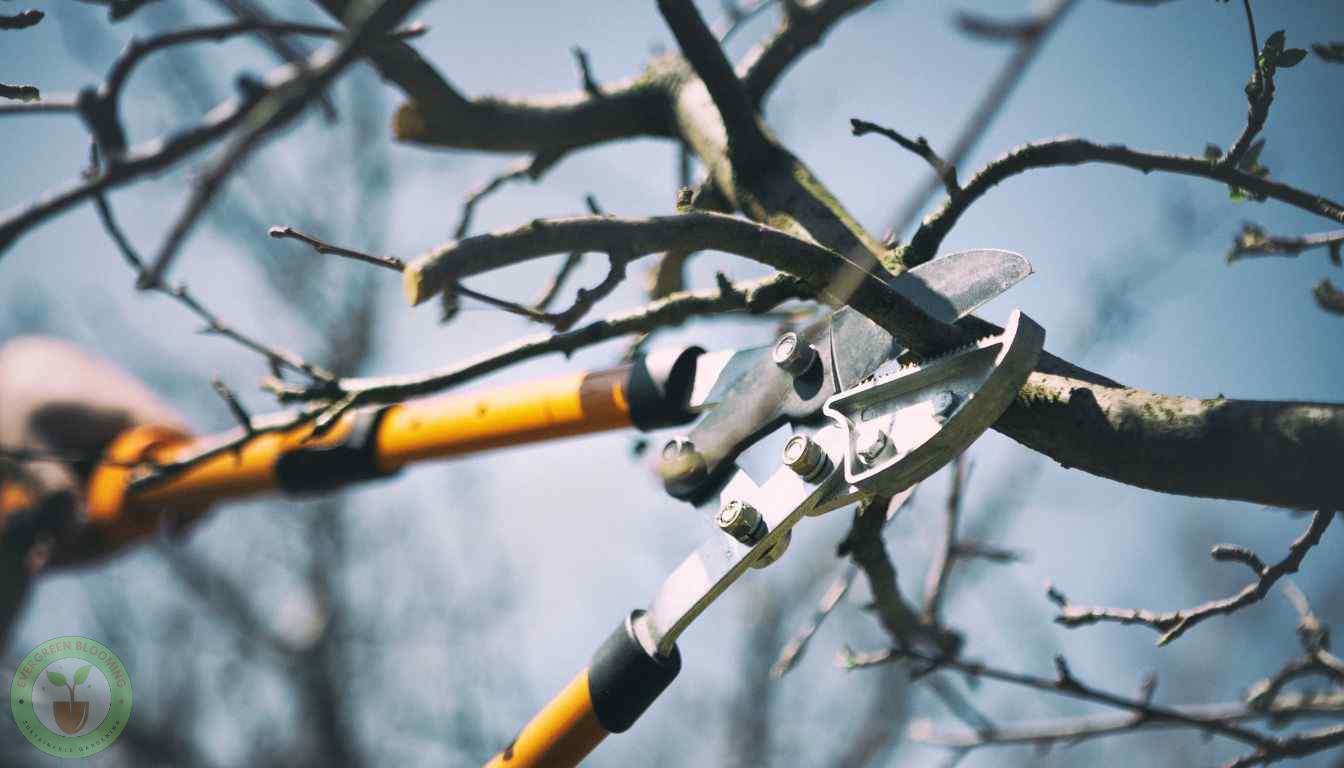
- Bypass Pruners: Great for branches up to 3/4 inch, they make clean cuts to prevent disease
- Fruit Saw: Best for larger branches, with a 6-8 inch blade for precise cuts
- Hori-Hori Garden Knife: A versatile tool for light digging and clearing around the tree

Safety Equipment
Protecting yourself is as important as protecting your pear tree. Your safety gear should include:
- Durable garden gloves (leather or cut-resistant for heavy-duty pruning)
- Protective eyewear to shield from falling debris
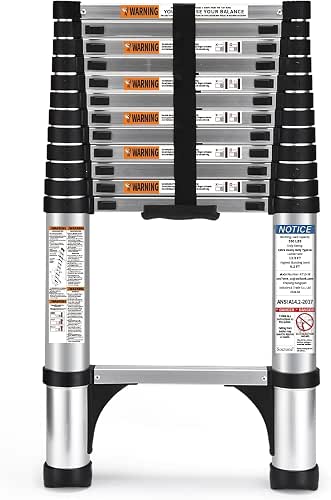
- Sturdy ladder for reaching higher branches
Maintaining Your Pruning Tools
Keeping your tools in good shape is essential. Here are some tips for tool care:
- Sharpen tools regularly using a sharpening stone.
- Clean tools after each use with mild detergent.
- Remove sap and debris to prevent disease spread.
- Apply light oil to moving parts to prevent rust.
Investing in quality tools and keeping them well-maintained ensures the best care for your pear tree. This will make pruning more effective.
Understanding Pear Tree Growth Habits
Pear tree pruning is key to a healthy tree. Each pear tree grows differently, affecting pruning. Knowing these growth patterns helps in pruning for strong trees and lots of fruit.
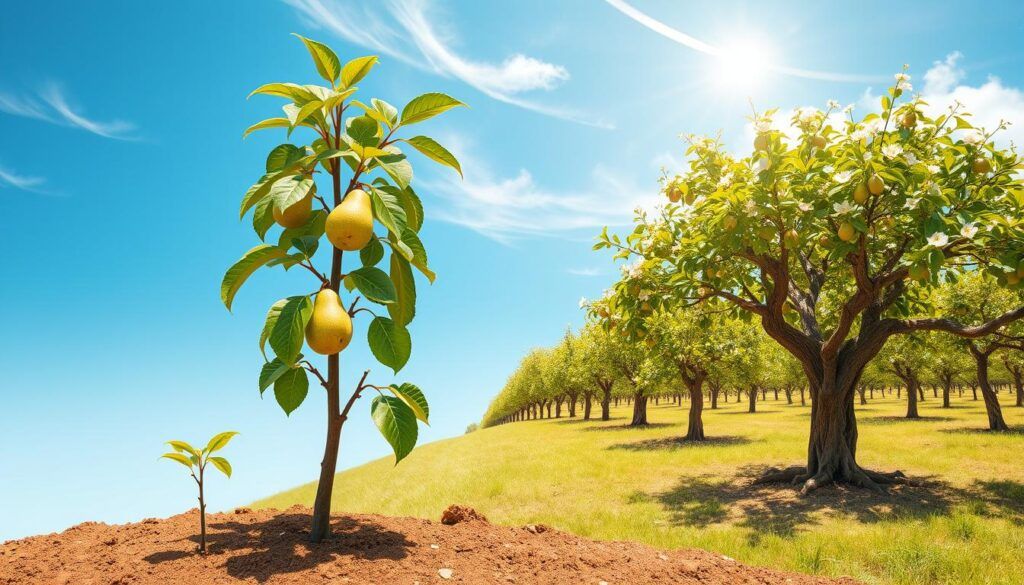
Pear trees need special care due to their unique growth. Their development has important stages for pruning:
- Initial training starts at planting.
- Annual pruning is crucial.
- Understanding branch structure and growth angles.
Growth Stages of Pear Trees
In the early years, pear trees need shaping. Two main pruning cuts are important:
- Heading cuts: Cutting off the top of shoots or limbs.
- Thinning cuts: Cutting shoots back to their base.
Types of Pear Trees
| Pear Tree Type | Pruning Characteristics |
|---|---|
| Standard Pear Trees | Need less pruning, focus on shape |
| Espalier Pear Trees | Require aggressive pruning for shape |
| Dwarf Pear Trees | Need regular pruning for size and fruit |
How Growth Affects Pruning
Knowing your pear tree’s growth is vital for pruning. Branches at angles under 60 degrees from the trunk are weak. Pruning helps by:
- Improving branch angles.
- Enhancing air circulation.
- Promoting better sunlight.
By using these pruning techniques, you’ll have a healthier tree. It will produce better fruit and have the right shape.
How to Identify What to Prune
Pruning a pear tree needs a sharp eye and knowledge of tree health. It’s important to know which branches to cut to keep the tree healthy and productive. As someone who knows gardening well, I’ll show you how to pick the right branches to trim.
When you start pruning a pear tree, focus on a few key things. Good pruning practices mean looking closely at the tree’s health and shape.
Recognizing Dead or Diseased Wood
Spotting bad branches is the first step in caring for your tree. Look for these signs of branches that should be cut:
- Branches with no leaf growth.
- Wood with visible cracks or splits.
- Branches showing discoloration or bark damage.
- Branches with signs of pest infestation.
Understanding Branch Structure
The correct shape of a pear tree is key for it to grow well. Notice these important parts:
| Branch Characteristic | Action Needed |
|---|---|
| Narrow-angle branches | Remove to prevent future splitting. |
| Crossing branches | Keep the strongest branch. |
| Forked limbs | Keep the strongest branch. |
The Importance of Thinning
Thinning is a big part of pear tree pruning. Removing branches helps air move and sunlight reach the tree. By picking the right branches to cut, you help the tree grow better and produce more fruit.
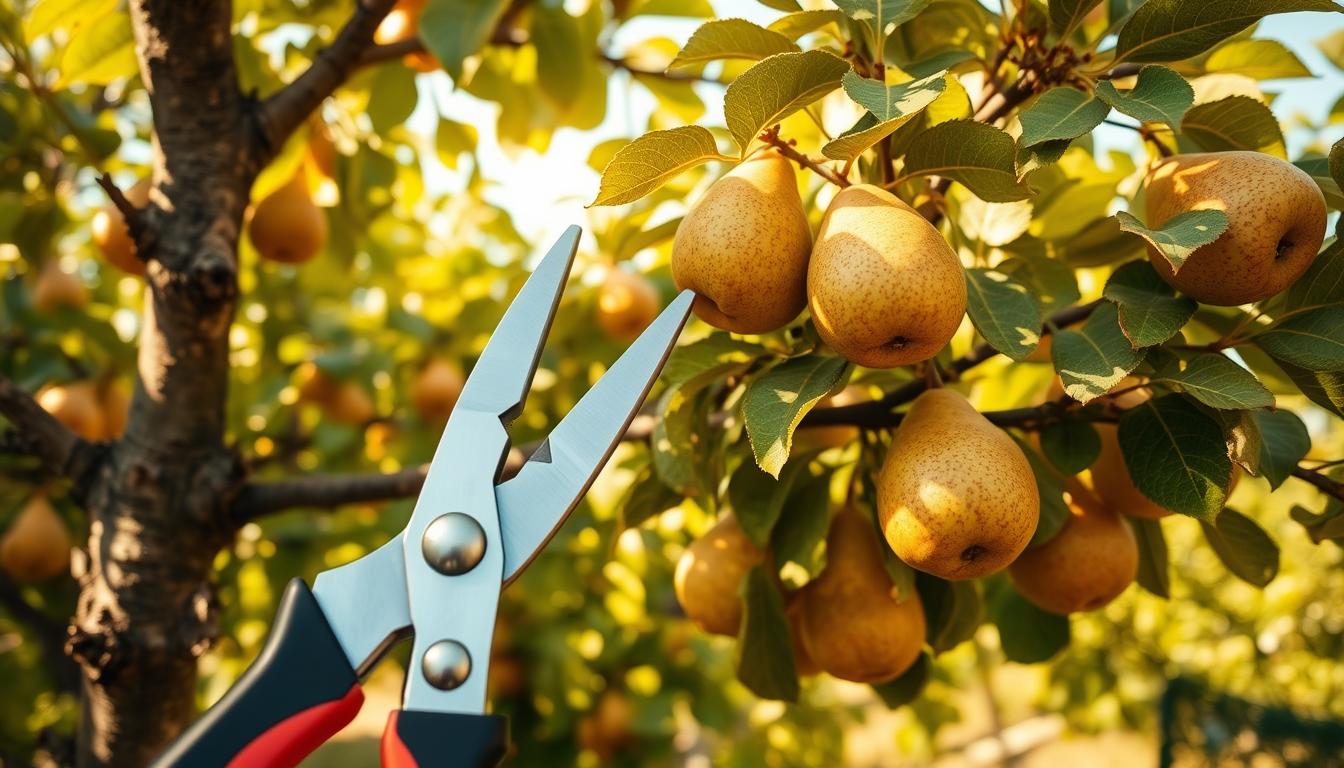
Remember: Every cut should have a purpose in maintaining the tree’s overall health and productivity.
Step-by-Step Guide to Pruning a Pear Tree
Pruning a pear tree might seem scary, but it’s easier than you think. With the correct techniques, you can make your tree healthier and more fruitful. I’ll show you how to prune a pear tree like a pro.
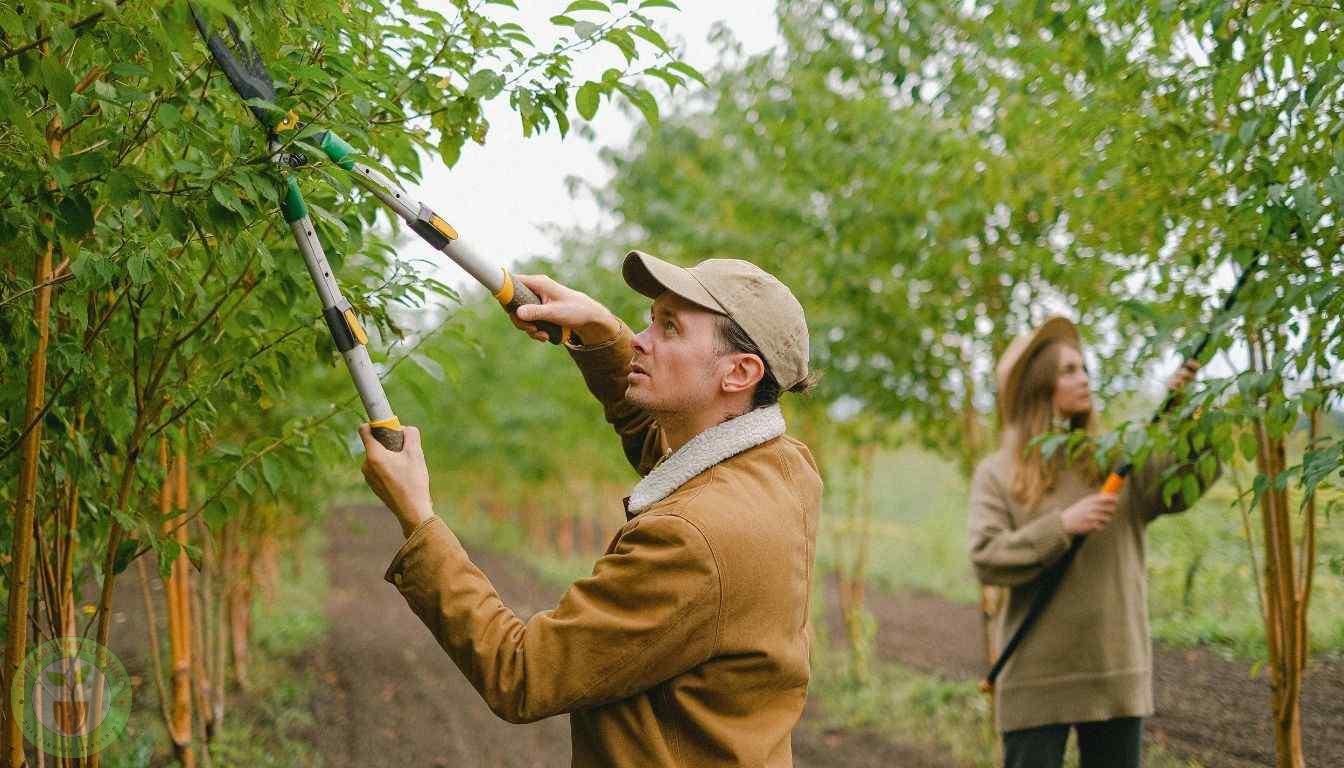
Before you start pruning, it’s essential to know a few basics. Pruning a pear tree needs patience, precision, and a plan. Always remove no more than 10-20% of the tree’s leaves during one session.
Preparing to Prune
First, get your pruning tools ready:
- Sharp pruning shears.
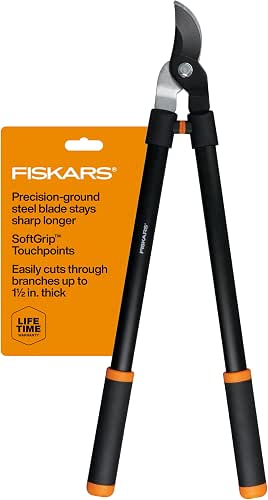
- Loppers for thicker branches.
- Pruning saw.
- Disinfectant solution.
- Protective gloves.
Making the First Cuts
When pruning a pear tree, focus on these key areas:
- Remove dead or diseased branches.
- Cut out crossing or rubbing limbs.
- Eliminate water sprouts and suckers.
How to Shape the Tree
Shaping your tree correctly is crucial for good pruning. Aim for an open center or modified central leader shape. This allows a lot of sunlight and air.
| Pruning Goal | Technique |
|---|---|
| Encourage Vertical Growth | Trim outer branches at a 45-degree angle |
| Promote Side Branching | Trim outer branches at 45-degree angle |
| Maintain Tree Shape | Remove competing central branches |
Pro tip: Always make clean, angled cuts just outside the branch collar to promote healthy healing and prevent disease entry.
Common Mistakes to Avoid When Pruning
Pruning pear trees for optimal growth needs careful attention and skill. Even experienced gardeners can make mistakes that harm their trees. I’ll share some critical insights to help you avoid common pruning pitfalls and maintain the health of your pear tree.
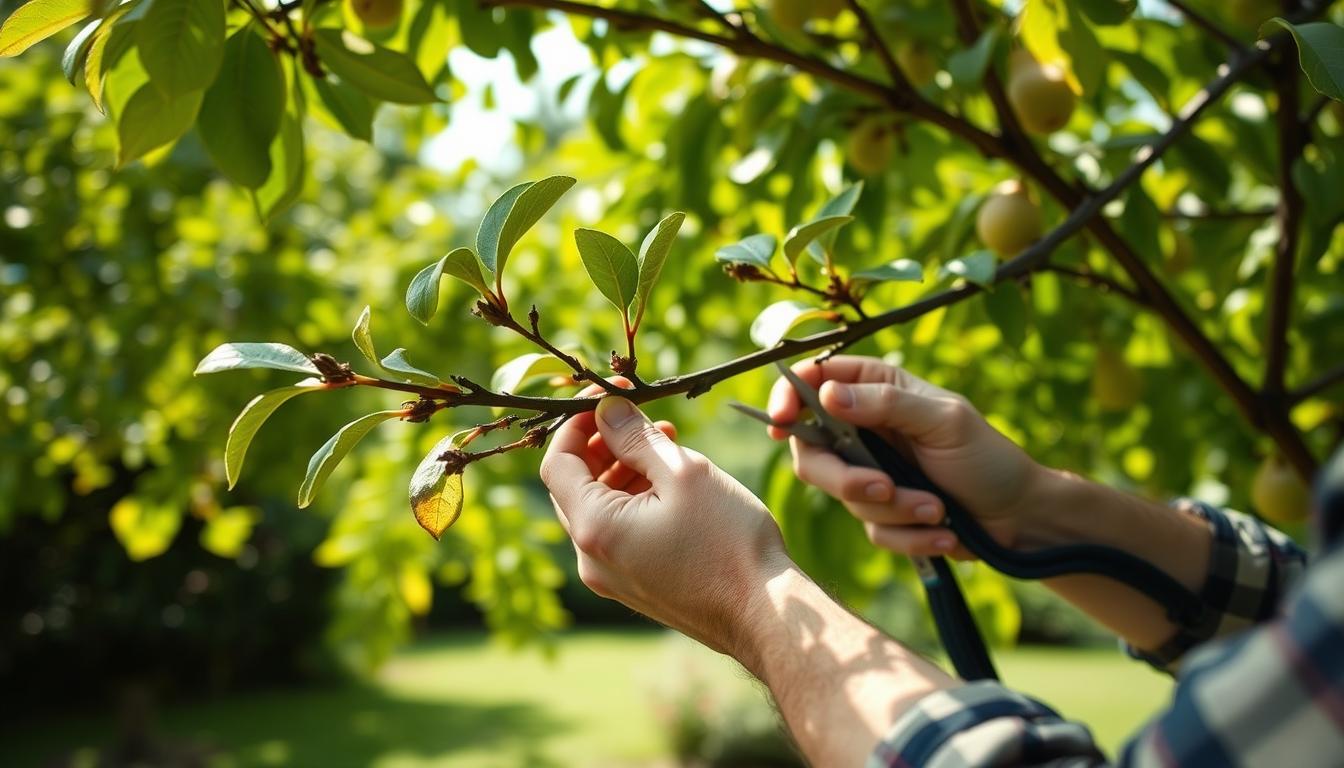
When implementing best pruning practices for pear trees, several key mistakes can compromise tree health and fruit production. Understanding these potential errors will help you become a more effective pruner.
Recognizing Over-Pruning Risks
One of the biggest challenges in pruning is knowing how much to cut. Excessive pruning can stress the tree and trigger undesirable responses:
- Triggering excessive water sprout growth.
- Reducing fruit production.
- Weakening the tree’s overall structure.
Protecting Tree Health During Pruning
Ignoring your pear tree’s health can lead to long-term damage. Always inspect your tree for signs of disease or stress before making cuts. Watch for these warning signs:
- Discolored or dying branches.
- Unusual bark texture.
- Presence of fungal growth.
Timing Your Pruning Correctly
Pruning at the wrong time can significantly impact your pear tree’s growth and fruit production. Winter and early spring are typically the best periods for major pruning, when the tree is dormant and less susceptible to stress.
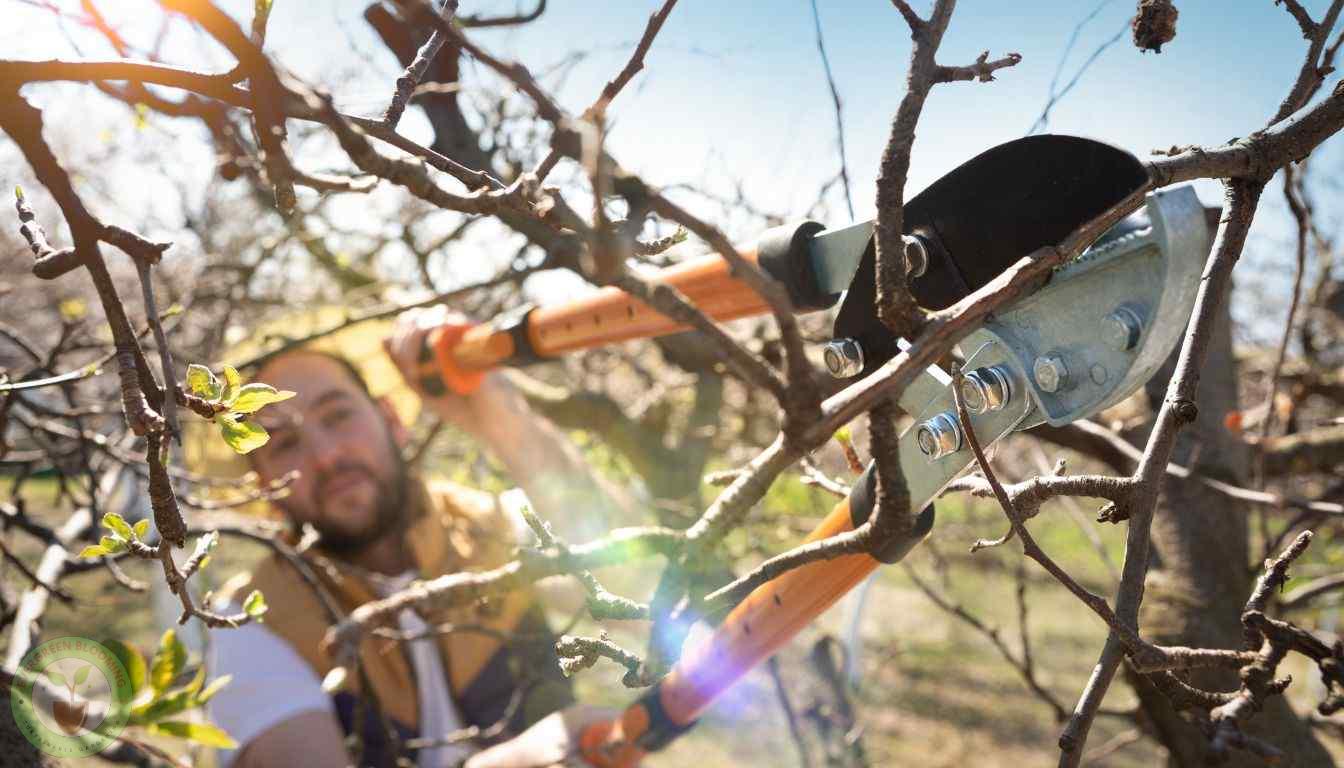
Remember: Careful, strategic pruning is key to maintaining a healthy and productive pear tree.
How to Maintain My Pear Tree After Pruning
After pruning, taking care of your pear tree is key to its health and fruit. Good care helps your tree heal and grow strong. It also ensures it will produce lots of fruit.
There are important steps to keep your pear tree healthy. I’ll show you how to care for your tree so it thrives.
Watering Strategies for Optimal Tree Health
Watering is vital for your pear tree. Young trees need more water, while older trees prefer less but deeper water. Here’s what I suggest:
- Water deeply once a week during the growing season.
- Provide 1-2 inches of water per week.
- Use drip irrigation or soaker hoses for best results.
- Avoid waterlogging the root zone.
Nutrient Management and Fertilization
Fertilizing correctly helps your pear tree grow strong. Here’s how to do it:
- Apply organic compost in early spring.
- Use a balanced 10-10-10 fertilizer.
- Avoid over-fertilizing, which can damage roots.
- Test soil pH annually to ensure optimal nutrient absorption.

Protecting Against Pests and Diseases
Keeping pests and diseases away is crucial. Regular checks and quick action can stop problems:
- Inspect trees monthly for signs of disease
- Remove fallen leaves and fruit
- Use organic pest control methods when possible
- Apply dormant oil spray in late winter

Mulching for Tree Vitality
Mulching is vital for your pear tree. It keeps the soil moist, controls temperature, and stops weeds:
- Use organic mulch like wood chips.
- Spread 2-4 inches around the base.
- Keep mulch away from the tree trunk.
- Refresh mulch annually.

By following these care tips, you’ll help your pear tree grow well and produce lots of fruit.
Troubleshooting Post-Pruning Problems
After pruning your pear tree, you might face some unexpected issues. To keep your tree healthy, it’s crucial to watch for problems and act fast. I’ll guide you through common issues and how to fix them.
Identifying Wilting Leaves
Wilting leaves can mean your tree is stressed after pruning. It’s key to find out why the leaves are suffering. Here are some possible reasons:
- Excessive pruning that shocked the tree.
- Water stress immediately after pruning.
- Potential root damage during the pruning process.
Addressing Reduced Fruit Production
Pruning can sometimes lower fruit yield. Don’t panic! It’s a normal reaction to big changes in the tree. Pruning actually helps in the long run by:
- Removing unproductive branches.
- Improving air circulation.
- Allowing more sunlight to reach fruit-bearing branches.
Recovering from Over-Pruning
If you cut off too many branches, be gentle with your tree. Give it extra nutrients, water it regularly, and avoid more stress. With patience and the proper care, your tree will get better.
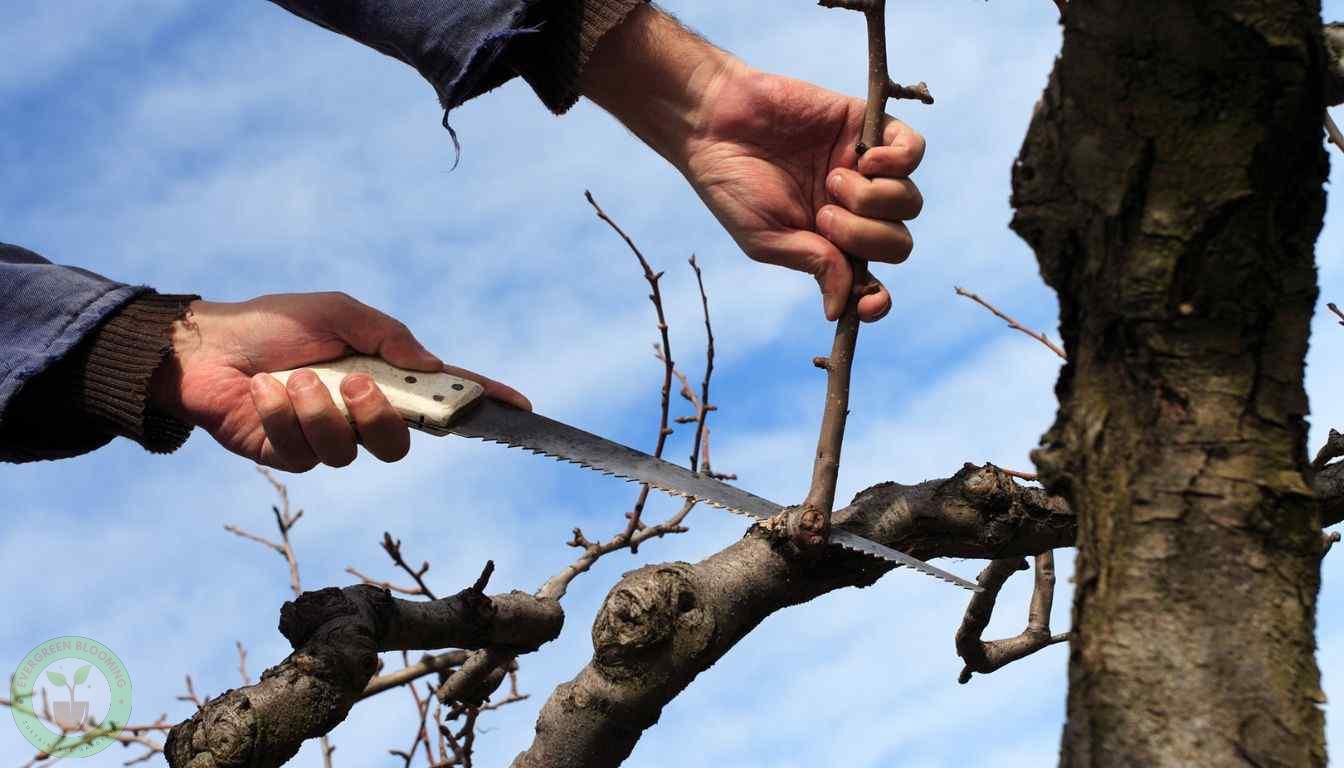
Remember: Pruning is an art that improves with practice and careful observation.
Tips for Successful Pear Tree Pruning
Pruning pear trees for the best growth is more than just knowing how. It’s about connecting deeply with your trees. Learning from seasoned gardeners who have spent years perfecting their craft is key.
Learning from Seasoned Pruners
Listening to experienced gardeners is the best way to learn about pear tree pruning. They offer insights that go beyond what you can find in books. They teach about:
- Reading a tree’s unique growth patterns.
- Understanding subtle signs of tree health.
- Developing an intuitive pruning approach.
Observing Nature for Guidance
Nature teaches us the most about tree care. Watching how pear trees grow in natural settings can greatly improve your pruning skills. Spend time observing wild pear trees to learn about their natural growth and branching patterns.
| Natural Observation Technique | Pruning Insight Gained |
|---|---|
| Branch Angle Study | Optimal Branch Spacing |
| Natural Canopy Formation | Proper Tree Shaping |
| Growth Direction Patterns | Selective Pruning Strategies |
Keeping a Pruning Journal
A detailed pruning journal is a valuable tool. By recording each pruning session, you can track:
- Date of pruning.
- Specific cuts made.
- Tree’s response in subsequent seasons.
- Weather conditions during pruning.
This method helps you improve your pruning techniques. It also lets you understand your pear trees’ unique characteristics over time.
Frequently Asked questions (FAQs): How to Prune a Pear Tree
How often should I prune my pear tree?
Can I prune a young pear tree?
What if I accidentally cut too much off my pear tree?
When is the worst time to prune a pear tree?
How much of the tree can I safely remove during pruning?
Do all pear trees need the same pruning approach?
What tools do I absolutely need for pruning?
How can I tell if a branch needs to be removed?
Final Thoughts About Pruning Pear Trees
I’ve spent years learning about fruit tree pruning. Pruning pear trees can raise many questions. It’s not just a task; it’s a skill that needs patience and practice.
How often you prune depends on the tree’s age and health. Mature trees need pruning once a year during winter. Young trees might require more pruning to grow correctly. Prune once a year, removing dead or damaged branches.
Young pear trees can be pruned, and it’s essential for their growth. Start pruning when the tree is 1-3 years old. Make careful cuts to help the tree grow evenly.
If you prune too much, don’t worry. Trees can recover. Wait a year before pruning again, and give it extra nutrients. Mulching and watering can help it heal. Always aim for precision in pruning.
Further Recommendations:
- Winterproofing the Garden
- A Beginner’s Guide to Growing Lettuce
- Exciting Edible Mushrooms
- Homesteading
- Beginner’s Guide to Growing Tomatoes
- The ultimate guide to growing Serrano Peppers in pots
- Ultimate Guide to Strawberries
- Discover the World of Peppers
- What are Heirloom Strawberries
- What not to plant with strawberries
- When to transplant strawberries
- Best Organic Fertilizers for Strawberries
- What is a Strawberry Tree?
- Stylish Gardening Arm Sleeves for Gardening
- What animals eat strawberries
- Do strawberries grow on trees?
- Best Outdoor Composting Bins
- Ultimate Guide to Kiwi Fruit
- Understanding Mushrooms
- How much cold can strawberries tolerate?
Video: How to Prune Pear Trees Easily
Source Links
- Pruning – Training Apple and Pear Trees – Clemson University
- Summer and Fall Pear Grades and Standards – USDA
- Smart Gardening: Pruning and Training Backyard Apple and Pear Trees – MSU
- Pear Rust – OSU

Leave a Reply