
Have you ever wondered why your store-bought pears seem rock-hard and tasteless? Ripening fruit isn’t just a waiting game – it’s an art form. As a passionate fruit lover, I’ve found the secrets to ripening pears perfectly every time.
Pears are special among fruits. They’re picked when mature but not fully ripe. This helps them survive transport without spoiling. The real magic happens when you bring them home and know how to make them ripe.
So, how do you ripen pears? In this guide, I’ll share my top methods for ripening pears. From the science of ripening to kitchen techniques, you’ll learn all you need to enjoy perfectly ripe pears.
Key Takeaways
- Pears ripen best at room temperature
- Different pear varieties have unique ripening times
- Ethylene gas plays a crucial role in fruit ripening
- Avoid refrigerating unripe pears
- Check ripeness by gently pressing near the stem
Understanding Pear Ripeness
Learning how to ripen pears is essential to thoroughly enjoying them. Pears have a unique ripening journey. This can be tricky for many.
Pears don’t ripen like bananas or apples. They’re picked when mature but not ripe. Knowing how they ripen is crucial.




Why Ripeness Matters for Pears
Ripeness turns a pear from hard and tasteless to sweet and juicy. Unripe pears are woody and bland. But ripe pears are:
- Smooth and buttery.
- Very sweet.
- It has a rich flavor.
- Full of nutrients.
Signs a Pear is Ripe
Finding a ripe pear can be tricky. Here are the signs I look for:
- Neck test: Press near the stem. A ripe pear will feel slightly soft
- It smells sweet at the stem end
- It’s soft but not too mushy
The Difference Between Varieties
Different pear types ripen in their own ways. Some change color, others don’t. Knowing these differences helps you enjoy your pears.
| Pear Variety | Color Change | Ripening Characteristics |
|---|---|---|
| Bartlett | Yes (green to yellow) | Ripens quickly, easy to predict |
| Anjou | No | Ripens slowly, needs patience |
| Bosc | No | Stays firm even when ripe |
By learning about these ripening differences, you’ll be a pro at picking pears in no time!
Best Ways to Ripen Pears at Home
Ripening pears is an art. I’ve found amazing ways to make it easy and effective. Whether you bought hard pears or want to ripen them at home, these tips will make them sweet and delicious.
The Paper Bag Method: A Classic Approach
The paper bag method is my favorite for quick ripening of pears. It utilizes ethylene gas to speed up the process. Here’s how to do it:
- Select a brown paper bag.
- Place unripe pears inside.
- Fold the top of the bag loosely.
- Store at room temperature.
Boosting Ripening with Companion Fruits
Adding certain fruits can really help pears ripen faster. Bananas and apples are great because they produce ethylene gas, which helps pears ripen.
| Companion Fruit | Ripening Effect |
|---|---|
| Banana | High ethylene production |
| Apple | Moderate ethylene production |
| Ripe Tomato | Moderate ethylene release |
Temperature and Location Matter
The right environment is key to perfect pear ripening. Room temperature is key. Look for a spot around 65-75°F. It should be away from direct sunlight but have good air flow.
Pro tip: Check your pears daily. Gently press near the stem, when it yields slightly, your pear is perfectly ripe!
Common Mistakes to Avoid
Ripening pears quickly can be tricky. Many home cooks make mistakes that prevent their fruit from reaching perfect ripeness. I’ve learned valuable lessons through my own experience with pear preparation that can help you avoid common pitfalls.

Let me share some critical errors to watch out for when trying to find the best way to ripen pears:
Refrigeration Missteps
Cold temperatures dramatically slow down the ripening process. Many people mistakenly put unripe pears directly in the refrigerator. This prevents them from developing their full flavor and texture. Here are key refrigeration guidelines:
- Keep unripe pears at room temperature.
- Refrigerate only fully ripe pears.
- Remove pears from the fridge 24 hours before eating to restore flavor.
Overripe Pears: Recognizing the Signs
Knowing when a pear has gone too far is crucial for enjoying the best fruit. Look for these indicators of overripeness:
- Extremely soft spots.
- Mushy texture throughout.
- Dark brown or black discoloration.
- Unpleasant fermented smell.
Variety-Specific Ripening Techniques
Not all pears ripen the same way. Bartlett pears develop color quickly, while Bosc pears require more patience. Understanding the unique characteristics of each variety helps ensure that you ripen pears quickly and effectively.
Pro tip: Always check your pears daily during the ripening process. Gently press near the stem – when it yields slightly to pressure, your pear is perfectly ripe and ready to enjoy.
Using the Natural Sunlight Method

Ripening pears is an art. The natural sunlight method is simple and effective. Sunlight gives gentle warmth that helps pears ripen evenly.
To ripen pears well, you need to use natural light correctly. I’ve found some easy ways to do this without harming the fruit.
Selecting the Perfect Ripening Spot
When picking a spot for pears to ripen, keep these tips in mind:
- Choose a place with indirect sunlight.
- Keep the room temperature between 65-75°F.
- Avoid direct sunlight, as it can cause the fruit to overheat.
- Find a well-ventilated area.
Timing Your Pear Ripening Process
Ethylene and pear ripening are connected. The time it takes for a pear to ripen varies by pear type. However, most plants require 2-5 days of gentle sunlight. Look for these signs of ripeness:
- A slight softening near the stem.
- A subtle color change.
- A gentle give when pressed.
Pro tip: Check your pears daily and rotate them to ensure even ripening. The natural sunlight method takes patience. But it rewards you with deliciously ripe pears.
Refrigeration: Pros and Cons
Figuring out how to ripen pears can be challenging, and refrigeration plays a significant role in the process. Knowing the best way to store them is key to keeping them fresh and flavorful.

Refrigeration isn’t a one-size-fits-all solution for pears. Different stages of ripeness need different storage methods. I’ve found that timing and temperature are crucial for keeping pears at their best.
When to Refrigerate Your Pears
Knowing when to put pears in the fridge can help keep them fresh longer and prevent them from spoiling too soon. Here are important times to consider cold storage:
- When pears are fully ripe and ready to eat.
- If you want to slow down the ripening process.
- To preserve pears for a few extra days.
Impact of Refrigeration on Pear Texture
Cold temperatures can change the texture of pears. Different types of pears react differently to cold. Therefore, it’s crucial to identify the type of pear you have.
| Pear Variety | Refrigeration Response | Recommended Storage |
|---|---|---|
| Bartlett | Rapid texture change | Refrigerate only when fully ripe |
| Bosc | Moderate texture retention | Can withstand refrigeration better |
| Anjou | Slow texture degradation | Good for short-term refrigeration |
I suggest refrigerating pears only when they’re perfectly ripe and you want to stop them from getting riper. Remember, cold temperatures can halt the ripening process, so timing is everything when storing these delicate fruits.
The Role of Ethylene Gas
Pear ripening is a natural process driven by ethylene gas. This invisible powerhouse transforms hard, green pears into sweet, juicy delights. Knowing how to accelerate pear ripening at home is key.

Ethylene gas is a natural plant hormone that triggers fruit maturation. When pears start to ripen, they produce this gas. It signals other fruits to soften and sweeten.
What Exactly is Ethylene Gas?
Ethylene gas is like nature’s ripening switch. It’s a simple hydrocarbon that plants produce to control their growth. For pears, this gas is crucial in the ripening process.
- Produced naturally by fruits and vegetables
- Triggers cellular changes that soften fruit
- Helps convert starches into sugars
How Ethylene Influences Fruit Ripening
Ethylene gas’s magic lies in its ability to speed up pear ripening. Placing unripe pears near ethylene-producing fruits like bananas or apples accelerates ripening. This method works because these fruits release high levels of ethylene.
Pro tip: A single ripe banana can help ripen an entire batch of pears in just a few days!
By understanding and using ethylene gas, you can turn hard pears into perfectly ripe, sweet treats. The pear ripening process becomes a controlled, predictable experience. This ensures delicious results every time.
Different Pear Varieties and Their Ripening
Ripening pears is an art that changes with each variety. Knowing what makes each pear special helps you get them ripe just right. This knowledge is key to mastering the art of pear ripening.
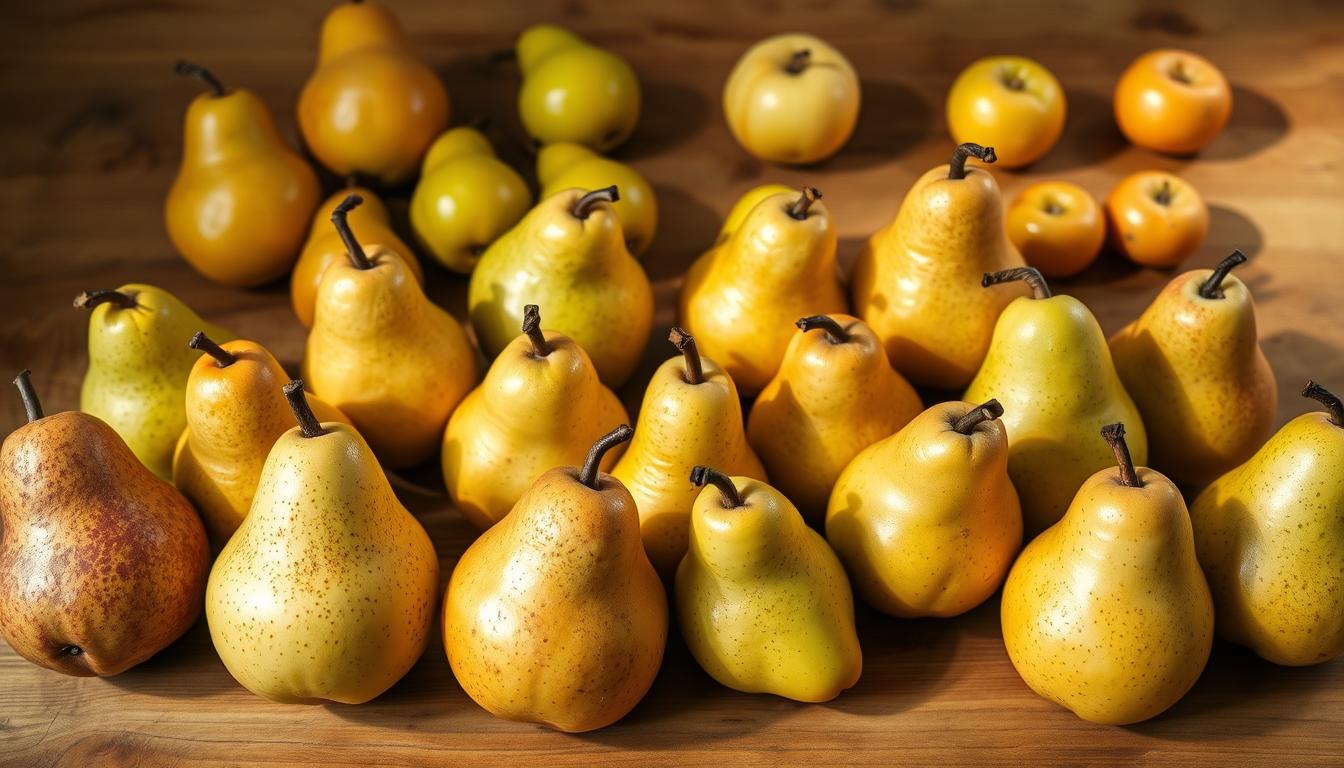
Not all pears ripen the same way. Some need more care, while others are easier to ripen.
Exploring Popular Pear Varieties
I’ve found that every pear variety has its own way of ripening. Let’s look at three classic ones:
- Bartlett Pears: These golden-yellow pears ripen fast, usually in 4-5 days at room temperature.
- Bosc Pears: With their brown skin, they take 5-7 days to ripen perfectly.
- Anjou Pears: These green pears can be somewhat challenging to manage, as they require close monitoring during ripening.
Unique Ripening Tips for Each Variety
When you’re trying to ripen pears, keep these tips in mind:
- Bartlett Pears: Place them in a paper bag with a ripe banana to accelerate ripening.
- Bosc Pears: Store them at room temperature, away from direct sunlight.
- Anjou Pears: Check them daily for softness near the stem.
By learning these special ripening tips, you’ll become a pear-ripening pro in no time!
How to Store Ripe Pears
Learning to store pears after they ripen is key. Ripe pears require special care to maintain their optimal taste and texture.
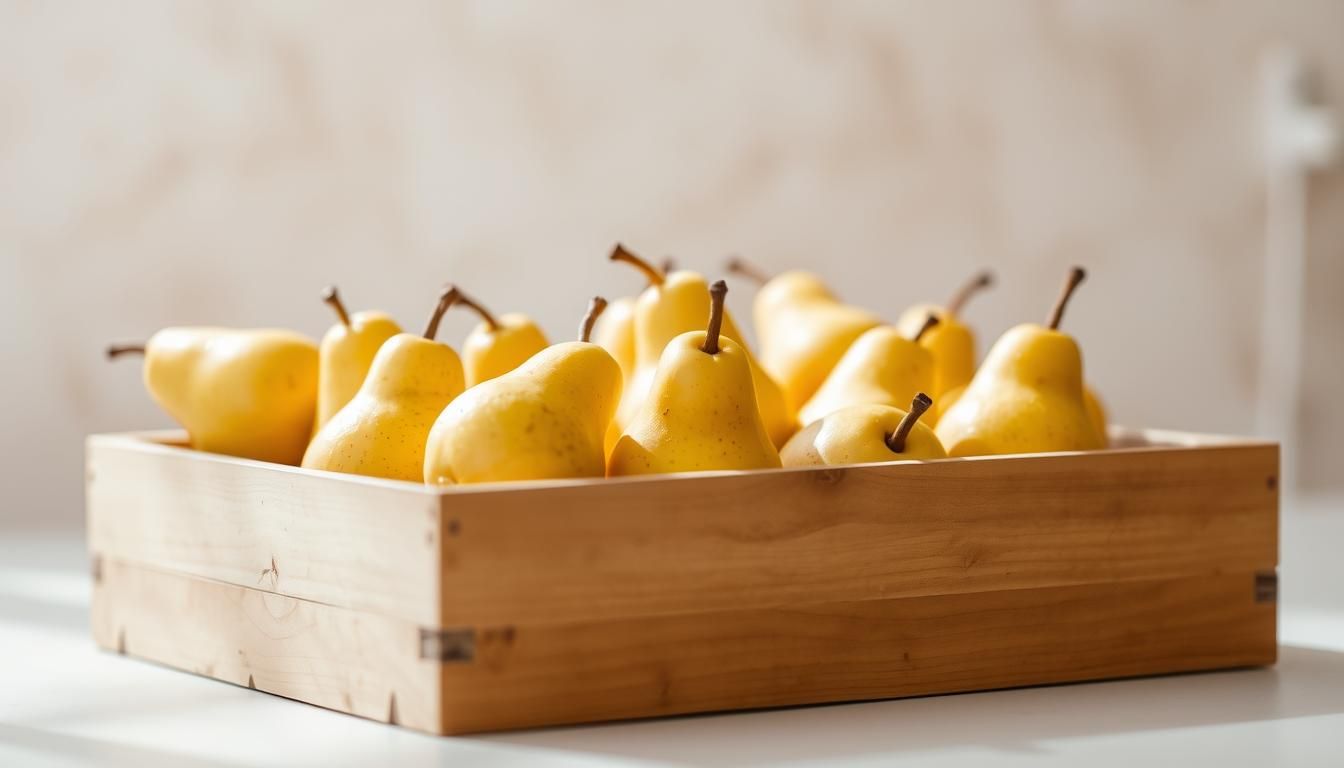
Storing ripe pears correctly doesn’t stop at ripening. Keeping them fresh is crucial for enjoying their best flavor.
Refrigeration Strategies
After pears are ripe, the fridge is where they go. Here are some tips to keep them fresh:
- Store ripe pears in the refrigerator at 30°F to 40°F.
- Place pears in a single layer to prevent bruising.
- Use perforated plastic bags to maintain the proper humidity level.

Storage Duration and Tips
Each pear variety has its own unique storage requirements. Here’s a quick guide to keep them fresh:
| Pear Variety | Refrigeration Time | Best Storage Condition |
|---|---|---|
| Bartlett | 3-5 days | Loose packaging |
| Anjou | 5-7 days | Controlled humidity |
| Bosc | 7-10 days | Careful handling |
Pro tip: Check your pears daily and remove any that show signs of overripening to prevent spoilage of the entire batch.
Preventing Premature Spoilage
Storing pears for ripening needs careful attention. Keep them out of direct sunlight and heat. Handle ripe pears gently to prevent bruising, as this can accelerate the decay process.
With these tips, you can enjoy ripe pears for days. They’ll stay soft and sweet.
Cooking with Ripe Pears

Now that you know how to ripen pears quickly, it’s time to cook with them. The magic of ethylene and pear ripening doesn’t stop there. It continues in the kitchen, where ripe pears shine as the main ingredient in many dishes.
Delightful Recipes to Showcase Ripe Pears
Ripe pears open up a world of culinary possibilities. Here are some of my top picks for enjoying these fruits:
- Pear and Gorgonzola Salad: Mix sliced ripe pears with greens, walnuts, and gorgonzola
- Spiced Pear Crisp: A warm dessert that shows off the sweetness of ripe pears
- Pear Smoothie: Blend ripe pears with yogurt and honey for a creamy breakfast
Product offers are temporarily unavailable.
Creative Solutions for Overripe Pears
Don’t throw away those slightly soft pears! They’re great for baking and cooking. Here are some fantastic ways to use overripe pears:
- Pear Butter: Cook overripe pears with cinnamon and sugar for a tasty spread
- Pear Bread: A moist, quick bread that turns overripe fruit into a tasty treat
- Pear Sauce: Like applesauce, but with a unique taste
“Ripe pears are like edible gold in the kitchen – versatile, delicious, and always inspiring!” – Kate B, passionate home cook
The journey of ripening pears quickly comes to an end in the kitchen, where they become culinary wonders. Whether you’re using perfectly ripe or slightly overripe pears, there’s always a great recipe to try.

Frequently Asked questions (FAQs): How Do You Ripen Pears
How can I tell if a pear is ripe?
What’s the fastest way to ripen pears at home?
Can I ripen pears in the refrigerator?
How long does it take for pears to ripen?
What should I do if my pears are getting too soft?
Do different pear varieties ripen differently?
Can I use other fruits to help ripen pears?
How do I store ripe pears?
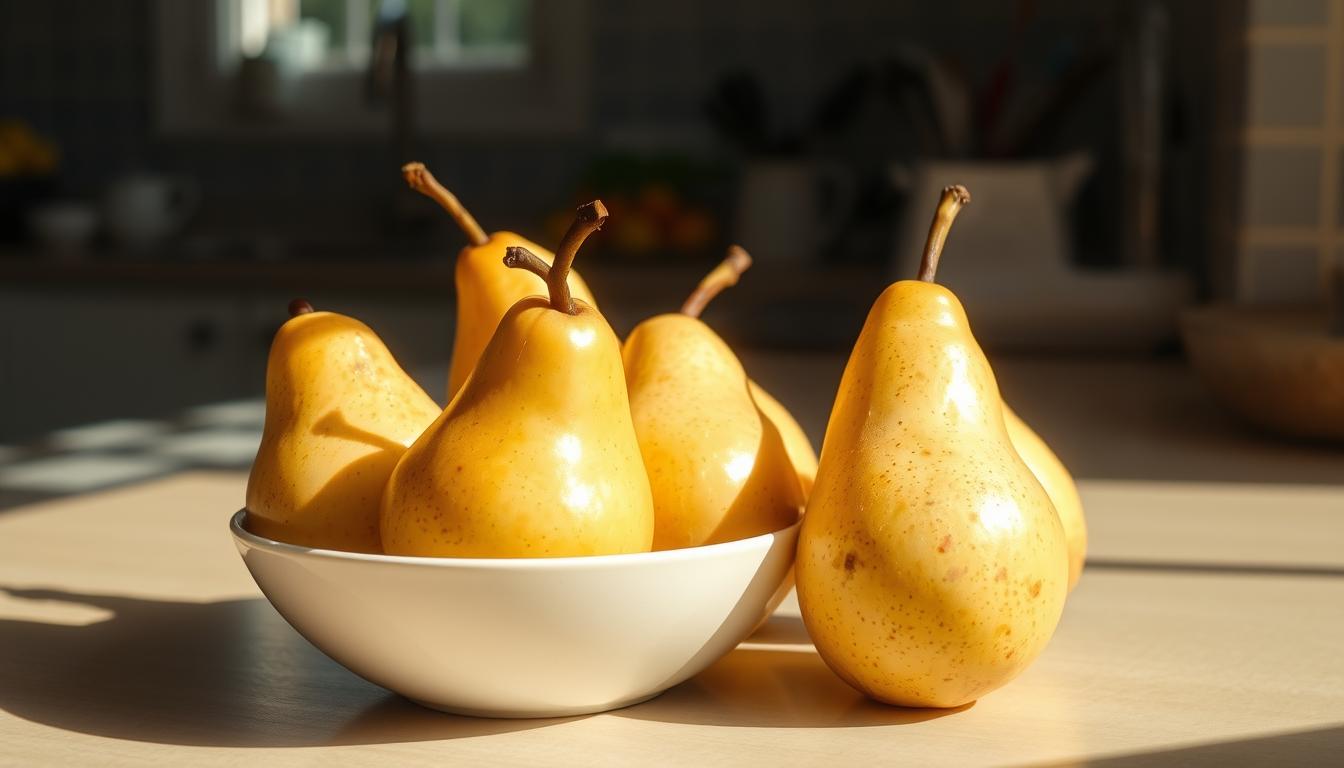
Final thoughts: Enjoying Perfectly Ripe Pears
Learning to ripen pears is an art that makes a simple fruit into a culinary delight. We’ve seen that patience and understanding are crucial for the perfect pear. From firm to soft, the transformation is magical with the correct techniques.
My favorite ways to enjoy a ripe pear include slicing it for salads or pairing it with blue cheese. They also make elegant dessert platters. A ripe pear adds natural sweetness and delicate texture, making meals memorable.
Remember, each pear variety is unique. Whether it’s Bartlett, Anjou, or Bosc, the ripening basics stay the same. Trust your senses and watch for changes in color and softness. Don’t be afraid to try new things.



Mastering pear ripening is about enjoying the journey and the delicious outcome. With the tips we’ve shared, you can turn any pear into a perfect treat. It will delight your taste buds and impress your guests.
Further Recommendations:
- Winterproofing the Garden
- A Beginner’s Guide to Growing Lettuce
- Exciting Edible Mushrooms
- Homesteading
- Beginner’s Guide to Growing Tomatoes
- The ultimate guide to growing Serrano Peppers in pots
- Ultimate Guide to Strawberries
- Discover the World of Peppers
- What are Heirloom Strawberries
- What not to plant with strawberries
- When to transplant strawberries
- Best Organic Fertilizers for Strawberries
- What is a Strawberry Tree?
- Stylish Gardening Arm Sleeves for Gardening
- What animals eat strawberries
- Do strawberries grow on trees?
- Best Outdoor Composting Bins
- Ultimate Guide to Kiwi Fruit
- Understanding Mushrooms
- How much cold can strawberries tolerate?

Leave a Reply