
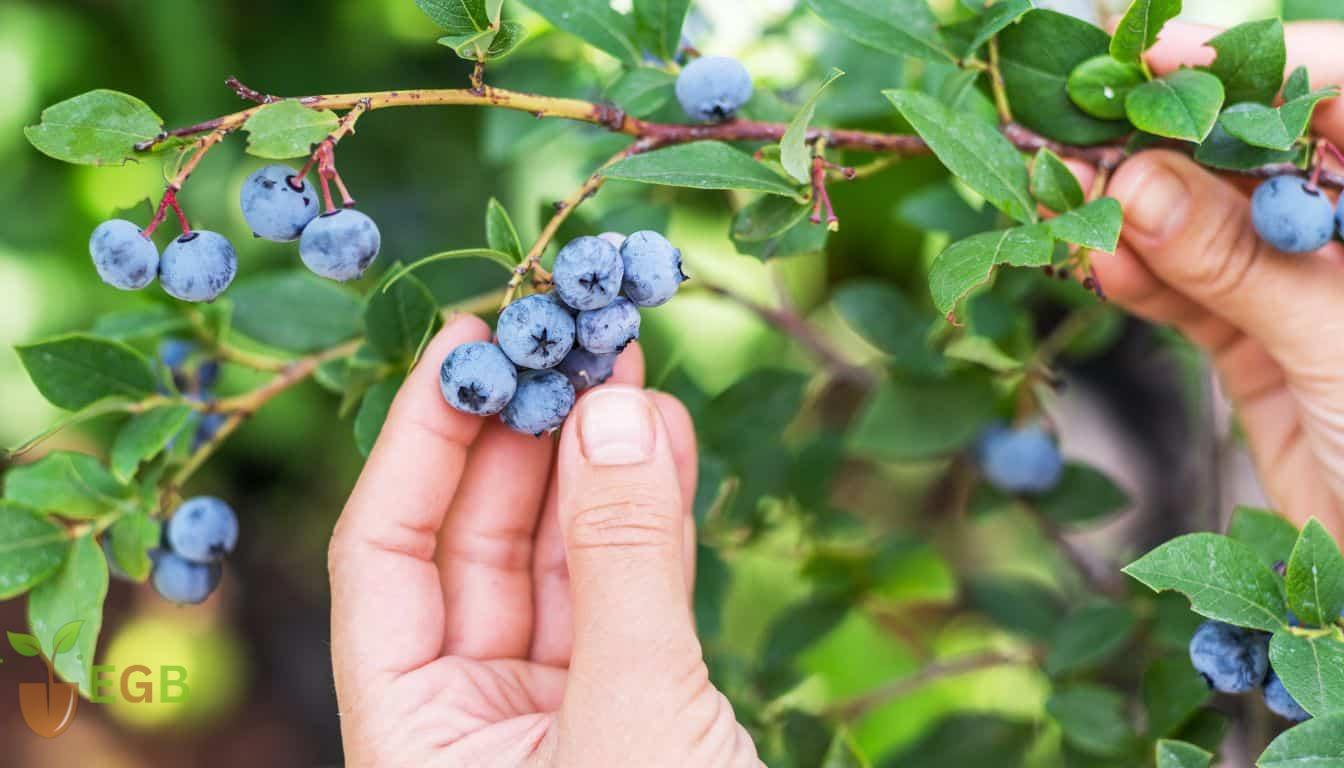
Ever wondered if blueberries have seeds? Many people are curious, given their nutritional and tasty value.
So, do blueberries have seeds? The answer is yes, blueberries do have seeds. These seeds help the plant reproduce and add to the fruit’s nutritional benefits.
We’ll explore blueberry anatomy in this section. We’ll see why they’re called true berries and learn about their seeds. Let’s uncover the secrets behind blueberry seed structure and why these fruits are so fascinating!
Key Takeaways
- Blueberries are classified as true berries due to their specific anatomy.
- They contain between 50 and 100 tiny seeds embedded in their flesh.
- The structure of blueberries consists of three layers: exocarp, mesocarp, and endocarp.
- Understanding blueberry seed structure enhances our appreciation for their nutritional value.
- Seeds play a crucial role in the reproduction of blueberry plants.
Understanding Blueberries and Their Composition
To fully appreciate blueberries, it’s essential to delve into their anatomy. Many wonder: what makes a fruit a berry? This question gets to the heart of what makes true berries unique.
What Makes a Fruit a Berry?
A berry is a fleshy fruit that comes from one flower ovary. Blueberries fit this bill perfectly. They grow from a single ovary and contain many seeds within. This is different from fruits like strawberries, which aren’t true berries because their fleshy parts originate from other parts of the flower.
Knowing this helps us see blueberries as a true berry. It adds to our appreciation of them.





The Role of Seeds in Fruits
The role of seeds in fruits is crucial. Seeds help plants reproduce and spread. They carry the genetic material needed for new plants to grow.
Each blueberry is packed with seeds. These seeds are key to genetic diversity and new growth. They show the importance of blueberries in our diet and the ecosystem.
Do Blueberries Have Seeds?
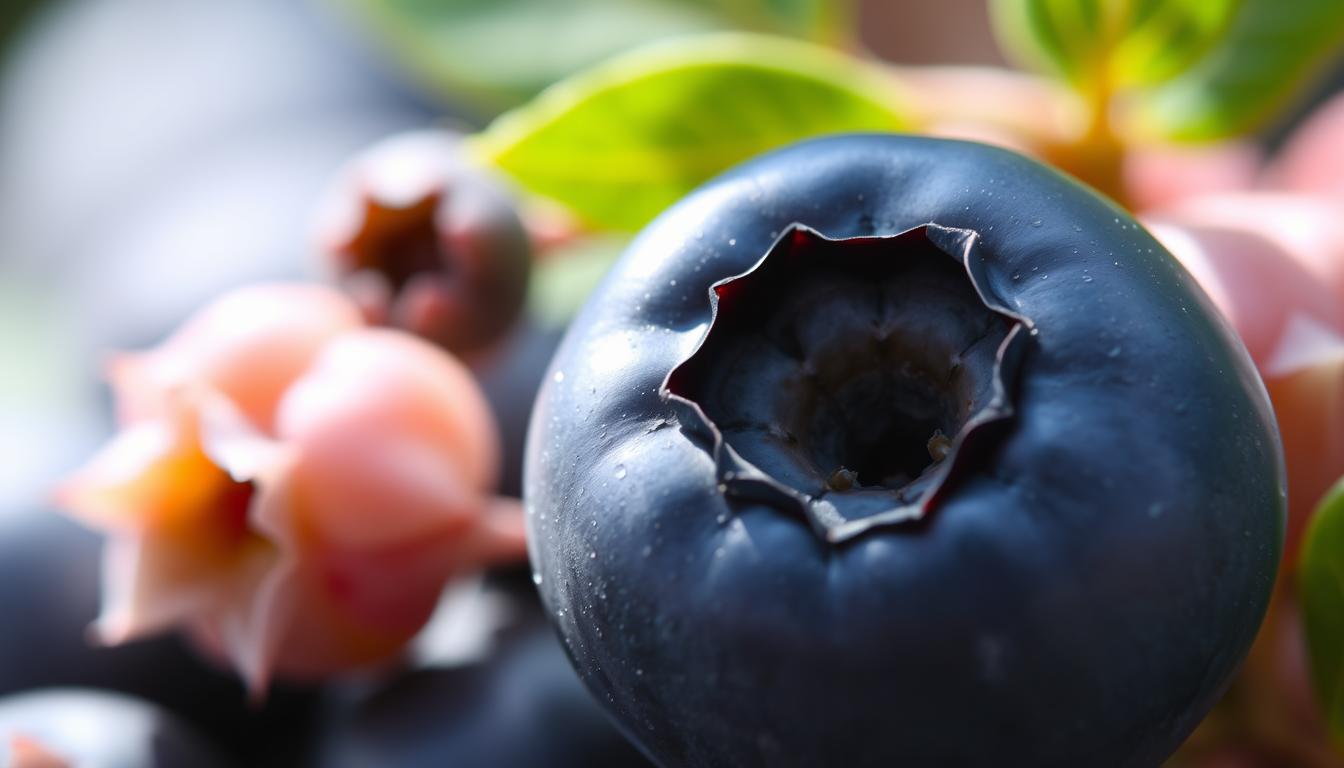
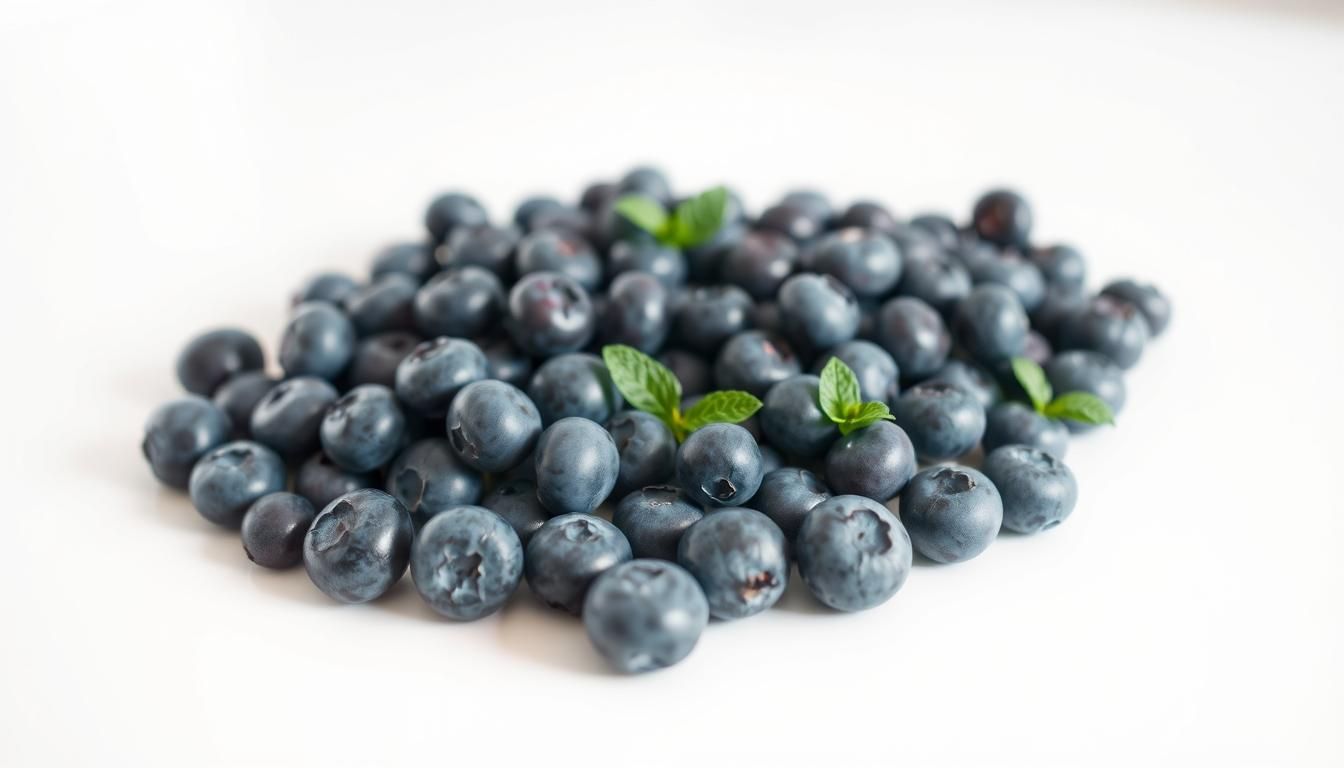
Yes, blueberries do have seeds! Each berry has between 50 and 100 tiny seeds. These seeds are small and soft, so many people don’t notice them. They resemble poppy seeds and are primarily located in the berry’s fleshy part.
Yes, They Do!
Blueberry seeds are fascinating. They are tiny but play a significant role in the plant’s life cycle. They also add fiber and omega-3 fatty acids to our diet.
Size and Texture of Blueberry Seeds
Blueberry seeds are tiny, measuring just a few millimeters in diameter. They are soft and blend in with the fruit. This makes eating blueberries a joy without noticing the seeds. It’s remarkable to consider how these small seeds contribute to the growth of the fruit.

How Do Blueberry Seeds Compare to Other Fruits?
Exploring the differences in seeds between various fruits is fascinating. The comparison between blueberries, strawberries, and raspberries is enlightening. Each fruit has its own unique seed characteristics.
Blueberries vs. Strawberries
Blueberries and strawberries have different seed placements. Blueberries have their seeds inside the fruit, while strawberries have small seeds on the outside. This makes strawberries look different, but they’re not true berries like blueberries.
Blueberries vs. Raspberries
Blueberries and raspberries are different. Raspberries are made up of many small parts, each with a seed. This makes raspberries unique in both taste and culinary use.
Nutritional Differences
Looking at the nutritional differences, blueberry seeds stand out. They have more antioxidants and nutrients than strawberries and raspberries. This makes blueberries not just tasty but also very nutritious.
| Fruit | Seed Placement | Seed Type | Nutritional Benefits |
|---|---|---|---|
| Blueberries | Internal | Small seeds | High in antioxidants |
| Strawberries | External | Achenes | Rich in vitamin C |
| Raspberries | Internal (drupelets) | Seeds inside drupelets | Source of fiber and vitamins |
The Nutritional Benefits of Blueberry Seeds
Many people love blueberries but ignore the tiny seeds inside. These seeds are not only edible but also very nutritious. Learning about the benefits of my food helps me appreciate it more.
Are They Edible?
Yes, blueberry seeds are safe to eat! They’re often eaten with the fruit. Many people are unaware of the benefits they offer us. The seeds add crunch and nutrition to my blueberry dishes.
Nutritional Value of Blueberry Seeds
Blueberry seeds are packed with vitamins and minerals. They have vitamin E, which protects our cells. They also contain magnesium and zinc, which support strong bones and a healthy immune system. Additionally, they’re rich in fiber, which aids in digestion.
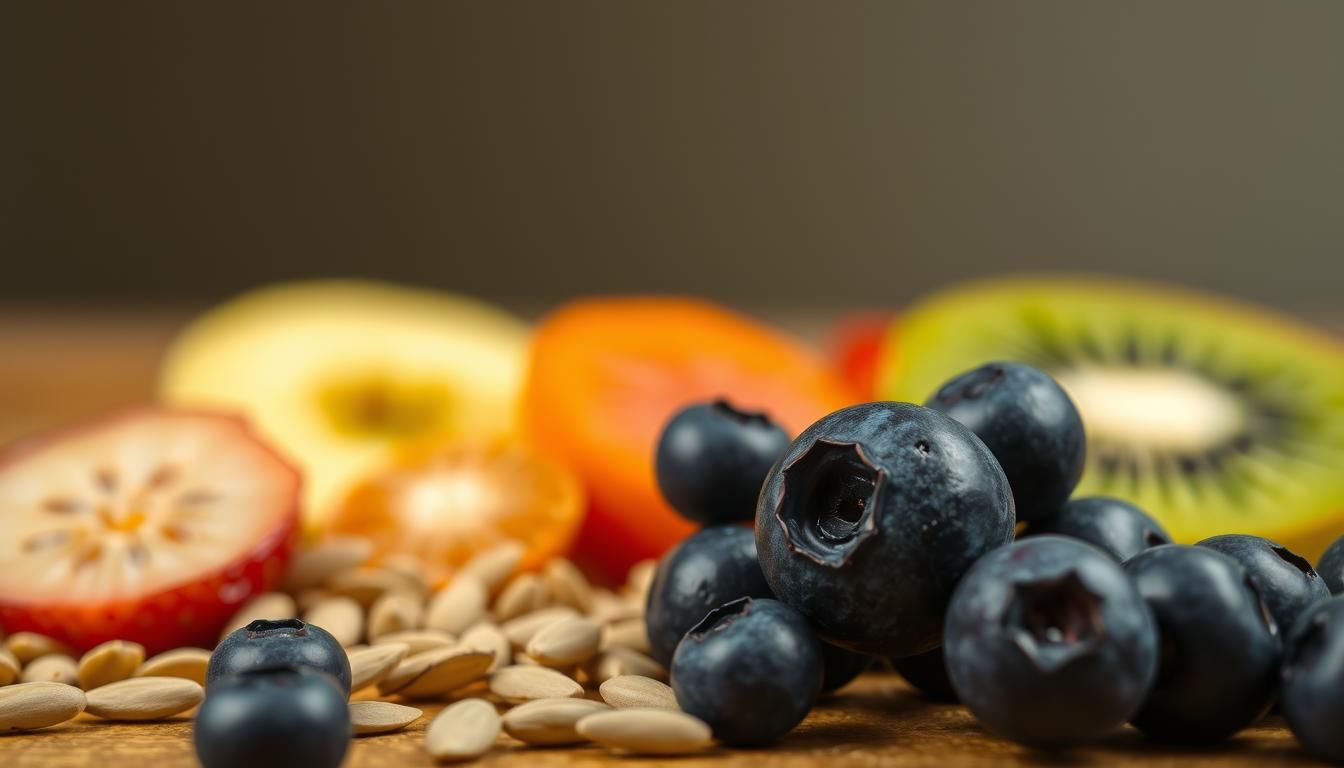
Eating blueberries means I get to enjoy their sweet taste and all the health benefits of the seeds.
| Nutrient | Amount per 100g |
|---|---|
| Calories | 57 |
| Fiber | 2.4g |
| Protein | 0.7g |
| Fat | 0.3g |
| Vitamin E | 0.6mg |
| Magnesium | 6mg |
| Zinc | 0.2mg |
How Blueberry Seeds Aid in Reproduction
Blueberry seeds are crucial for the plant’s survival and reproduction. The process begins with pollination, which leads to seed development. This ensures the growth of new plants. It demonstrates how nature perfectly orchestrates the reproduction of blueberries.
The Process of Seed Dispersal
After fertilization, seeds grow inside blueberries. When berries ripen, animals and humans eat them. This helps in seed dispersal.
Animals then disperse the seeds to various locations. This enables new plants to thrive in diverse environments. It boosts blueberry genetic diversity and adaptability.
Pollination and Growth
Bees are key in blueberry pollination. They move pollen from flower to flower. This ensures fertilized ovules develop into seeds.
This process is vital for blueberry reproduction. It leads to the berries we love. Each berry can contain up to 50 seeds, increasing the likelihood of new plants growing.

Unique Features of Blueberry Seeds
Blueberry seeds possess several unique features that facilitate their growth. Knowing these traits can make growing blueberries easier and more successful. Their strong structure helps them face many challenges.
Hardiness and Germination
Blueberry seeds are very hardy. They require approximately 90 days of cold to initiate growth. This cold period helps them get ready to sprout when it’s warmer.
After they begin growing, blueberry plants can start producing fruit in a few years. This makes growing them very rewarding.
How They Affect Blueberry Cultivation
Understanding how blueberry seeds function is crucial to growing them effectively. Blueberries love acidic soil to grow strong and healthy. Farmers need to know how to care for these seeds to get good yields.
| Seed Feature | Description |
|---|---|
| Hardiness | Resilient and capable of withstanding harsh conditions. |
| Cold Stratification | Requires 90 days of cold exposure to germinate. |
| Time to Fruit | Can bear fruit within a few years post-germination. |
| Soil Preference | It can bear fruit within a few years post-germination. |
These features are not just interesting. They are also vital for growing blueberries successfully.
My Favorite Ways to Enjoy Blueberries
I love adding blueberries to my meals and snacks. They’re so versatile, making every dish more flavorful and nutritious. Whether I choose fresh or frozen, each option brings its own joy to the cooking process.
Fresh vs. Frozen Blueberries
Fresh and frozen blueberries have their own charm. Fresh ones are great in salads or as a quick snack. Frozen blueberries, on the other hand, are perfect for smoothies, adding a rich flavor. Both keep their health benefits, which is why I choose them wisely.
Cooking with Blueberries
Blueberries open up a world of possibilities in the kitchen. They make pancakes incredibly sweet and fruity. Muffins with blueberries are another favorite, offering a perfect mix of taste and texture.
Product offers are temporarily unavailable.
I also enjoy using them in desserts, such as crumbles and pies. Blueberries add a special touch to any dish. Their versatility makes cooking with them a joy.

Fun Facts About Blueberries
Blueberries are not only tasty, but they also have a rich history and numerous varieties. Learning about blueberries reveals their historical significance and the diverse range of their types.
Blueberries in History
Blueberries have been around for thousands of years. Early Indigenous peoples first saw their value. They used them for food and medicine.
Blueberries were a key part of their diets before farming began. Today, their history of blueberries shows their wild importance over time.
Blueberry Varieties
Now, there are many types of blueberries, each suited to different places and soils. Some well-known ones are:
- Northern highbush – Known for big fruit and lots of berries.
- Southern highbush – Great for warmer areas, with berries ready early.
- Rabbiteye – Hardy and grows well in many places.
- Lowbush – Small berries and tough in cold weather.
Discovering these blueberry varieties reveals a world of tastes and growing ways. It makes me love these fruits even more.
| Variety | Best Climate | Characteristics |
|---|---|---|
| Northern highbush | Cool temperate | Large fruit, high yield |
| Southern highbush | Warm temperate | Early harvest, big berries |
| Rabbiteye | Sub-tropical to warm temperate | Hardy, adaptable |
| Lowbush | Cold temperate | Smaller berries, high resilience |

Frequently Asked Questions (FAQs): Do Blueberries have Seeds?
Do blueberries have seeds?
What is the structure of a blueberry?
Are blueberry seeds edible?
How do blueberry seeds compare to those of other fruits?
What nutritional benefits do blueberry seeds offer?
How do blueberry seeds contribute to reproduction?
What unique characteristics do blueberry seeds have?
What are my favorite ways to enjoy blueberries?
What’s the history of blueberries?
Final Thoughts on Blueberries and Their Seeds
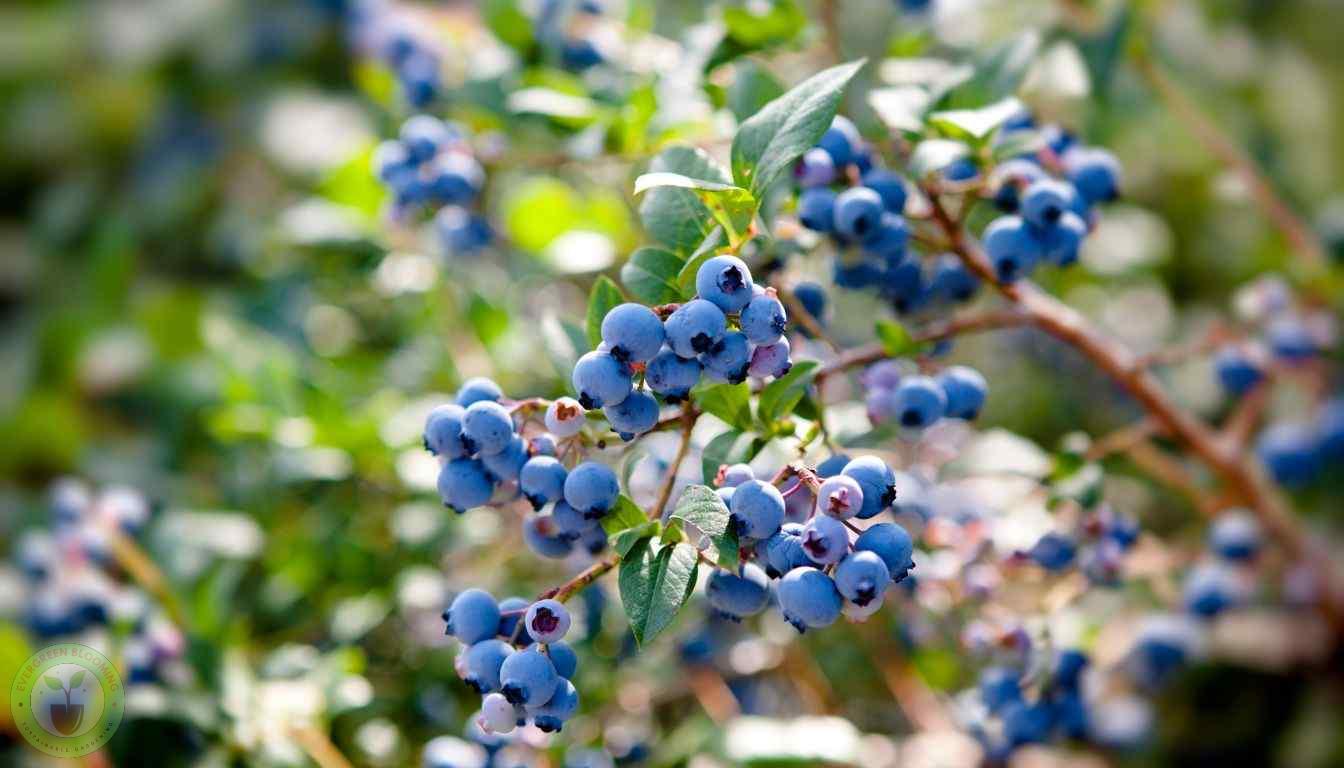
As I finish my journey into blueberries and their seeds, it’s clear they’re more than just tasty. They’re also full of interesting facts. Blueberries are true berries, and their seeds play a crucial role in their growth and health benefits. Their high fiber and antioxidant content make them an excellent choice for any diet.
I also love how versatile blueberries are in cooking. They’re perfect for smoothies, salads, or desserts. Knowing I get extra nutrition from their seeds makes every bite special. It’s a tasty way to boost my health!
Blueberries are a favorite of mine for their delicious taste and numerous health benefits. Their mix of flavor, texture, and nutrition is unbeatable. If you haven’t tried them yet, now’s the best time to start!
Further Recommendations:
- Winterproofing the Garden
- A Beginner’s Guide to Growing Lettuce
- Exciting Edible Mushrooms
- Homesteading
- Beginner’s Guide to Growing Tomatoes
- The ultimate guide to growing Serrano Peppers in pots
- Ultimate Guide to Strawberries
- Discover the World of Peppers
- What are Heirloom Strawberries
- What not to plant with strawberries
- When to transplant strawberries
- Best Organic Fertilizers for Strawberries
- What is a Strawberry Tree?
- Stylish Gardening Arm Sleeves for Gardening
- What animals eat strawberries
- Do strawberries grow on trees?
- Best Outdoor Composting Bins
- Ultimate Guide to Kiwi Fruit
- Understanding Mushrooms
- How much cold can strawberries tolerate?
Video: Planting Guide For Blueberries
Reference Links
- Blueberries and Health – USDA ARS
- Blueberries Around the Globe – USDA Foreign Agricultural Service
- The Resilient Journey of Wild Blueberries of America – USDA

Leave a Reply