
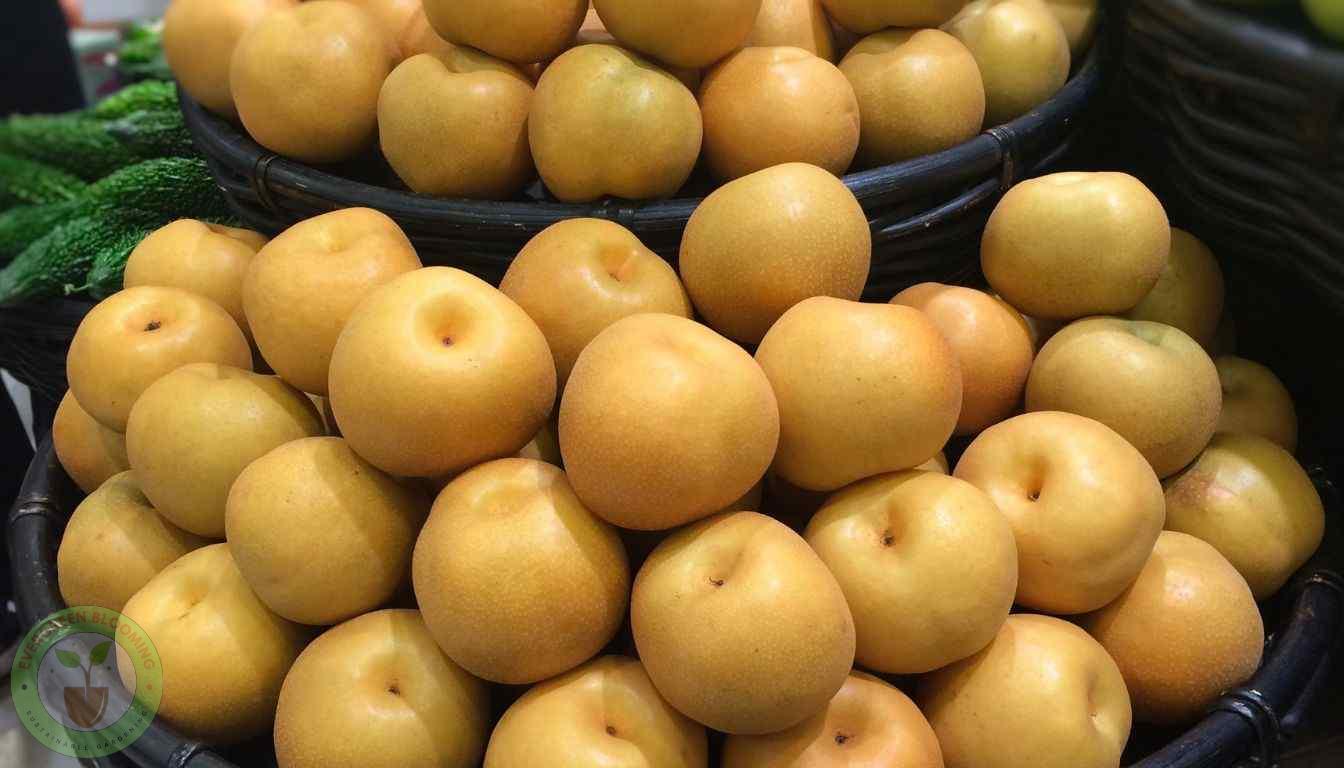
Ever wondered why some Asian pears taste crisp, while others are bland? Learning about Asian pear ripeness can make eating fruit a whole new experience.
I’ve explored the world of Asian pears for years. Knowing when Asian Pears are ripe is more than just looking at them. These fruits differ from European pears and ripen at different rates.
Asian pears don’t get soft like other pears. Instead, they stay firm but get sweeter right on the tree. My guide will show you how to pick the best Asian pear.
Key Takeaways
- Asian pears ripen differently from European pears
- Firmness indicates readiness, not softness
- Climate and harvest time impact fruit quality
- Visual and texture cues are crucial for selection
- Understanding ripeness maximizes flavor potential
Understanding Asian Pears and Their Varieties
Asian pears have a long history, dating back thousands of years. They come from East Asia and have won the hearts of many fruit fans. My exploration of Asian pear maturity has revealed a wide range of flavors and traits.

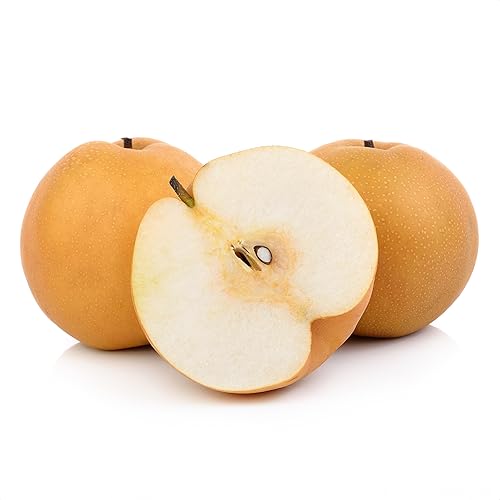


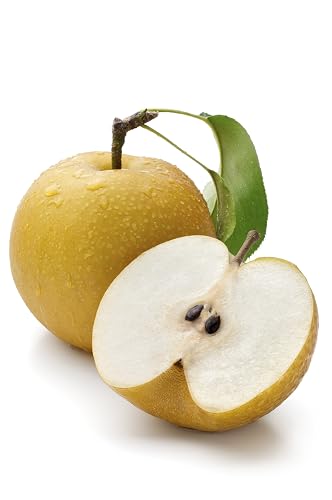

Asian pears come in many varieties, each with its own unique taste. They differ from Western pears, with distinct signs of ripeness.
Popular Asian Pear Varieties
- Hosui: A Japanese variety known for its sweet, honey-like flavor
- Shinseiki: A crisp, yellow-skinned pear with a mild taste
- Chojuro: A russet-skinned variety with a rich, butterscotch-like flavor
- Korean Giant: Large fruit with exceptional sweetness
Distinctive Characteristics
Each Asian pear variety has its own special features. The Hosui has a round shape and smooth skin. The Korean Giant is known for its large size.
“Asian pears are nature’s crisp delicacy, each variety telling a different story of flavor and texture.” – Fruit Enthusiast
Knowing about these varieties makes you an expert on Asian pears. They offer a wide range of flavors and textures, making them more than just fruit.
Whether you love fruit or collect it, Asian pears offer a fun journey of taste and texture. Their variety means there’s a pear for everyone.
The Growing Season for Asian Pears
Knowing when to harvest Asian pears is important for growers and fans. These fruits need certain conditions to grow well. They originate from East Asia and differ from European pears.
Asian pear trees can grow in many places. They need the right climate to produce fruit. Let’s look at what affects their readiness to make a decision.
Ideal Climate Conditions for Asian Pears
These trees prefer certain weather and soil conditions. They grow best in USDA Plant Hardiness Zones 5-9. Here’s what they need:
- Winter chill hours between 300-500 at temperatures below 45°F
- Well-draining soil with slightly acidic pH (6.0-6.5)
- Full sun exposure (6-8 hours of direct sunlight daily)
- Protection from strong winds
Expected Harvest Times Across Regions
The time to harvest pears varies by location and variety. Here’s a guide to help you:
| Region | Typical Harvest Months | Variety Considerations |
|---|---|---|
| Pacific Northwest | Late August – September | Shinseiki, Hosui |
| California | July – August | Kosui, Chojuro |
| Northeast | September – Early October | Kansui, Nijisseiki |
Understanding your local climate and pear type is crucial. Watch your trees for signs of ripeness. This ensures you get the best fruit.
How to Tell When Asian Pears Are Ripe
Finding the perfect ripeness of Asian pears is a fun challenge for fruit lovers. Asian pears are different from other pears. They have special signs to show when they’re ready to pick. Let me show you how to pick the tastiest fruit.
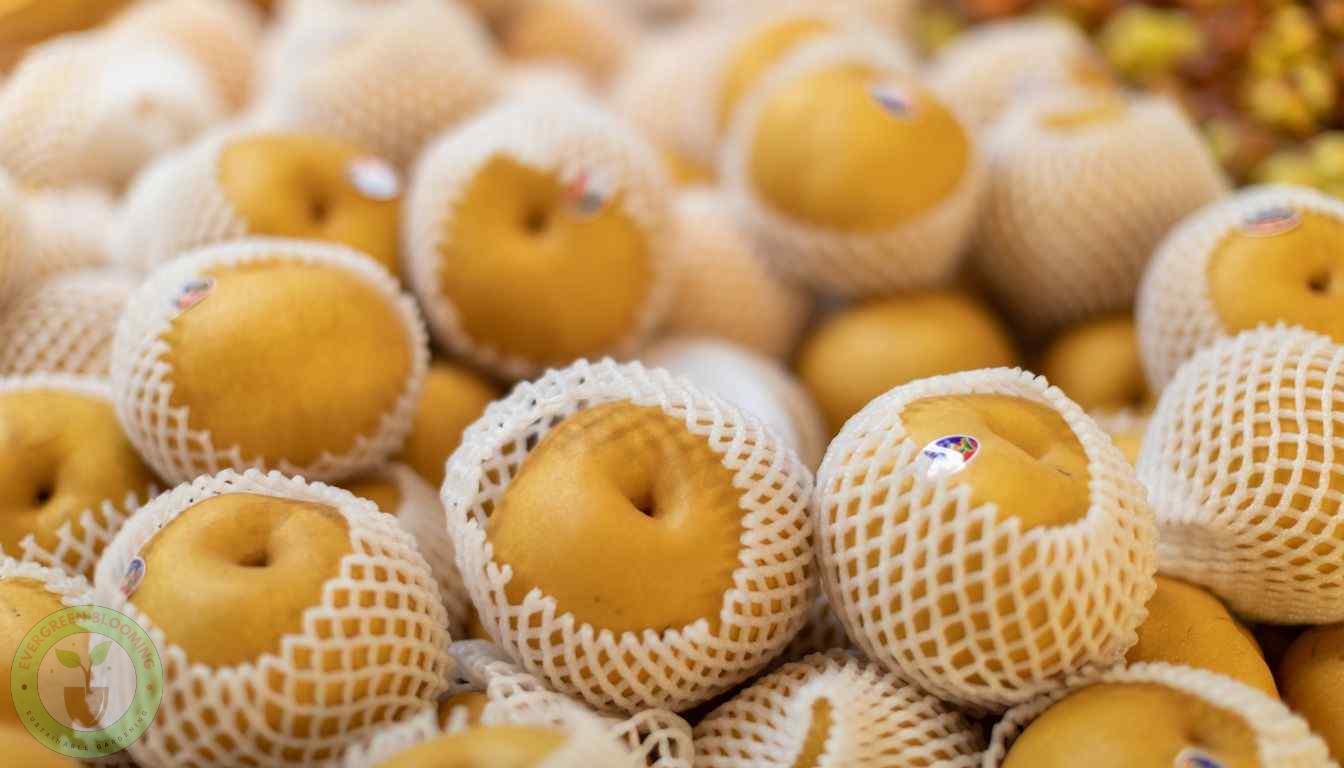
When checking if Asian pears are ready, look for these important signs:
Visual Cues for Ripeness
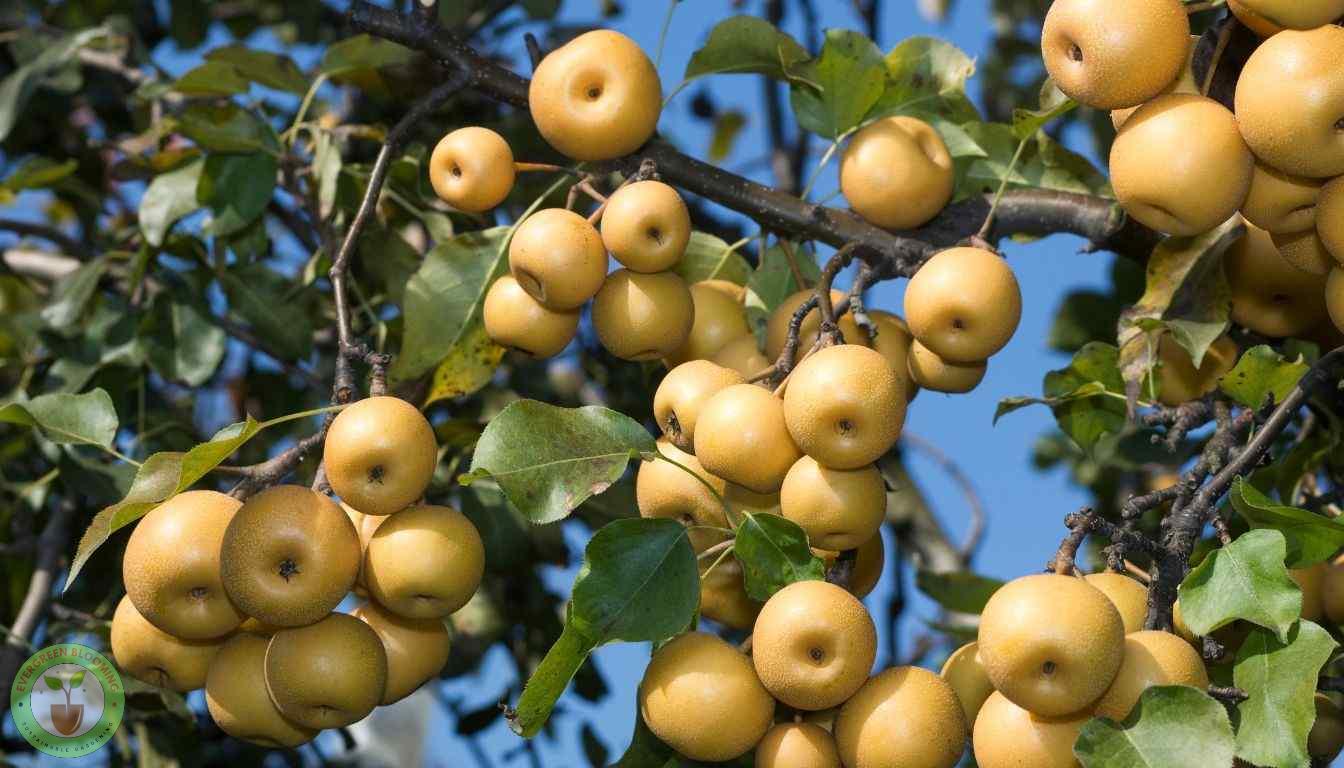
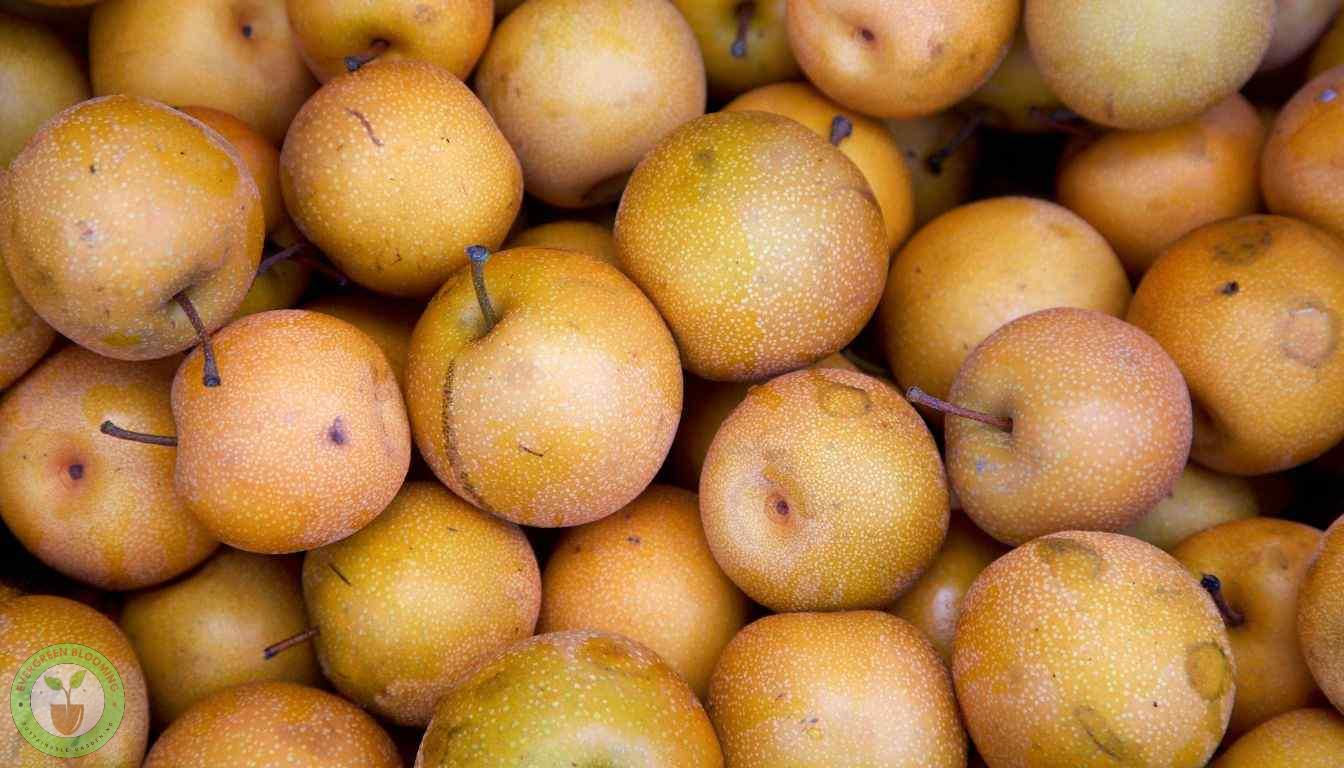
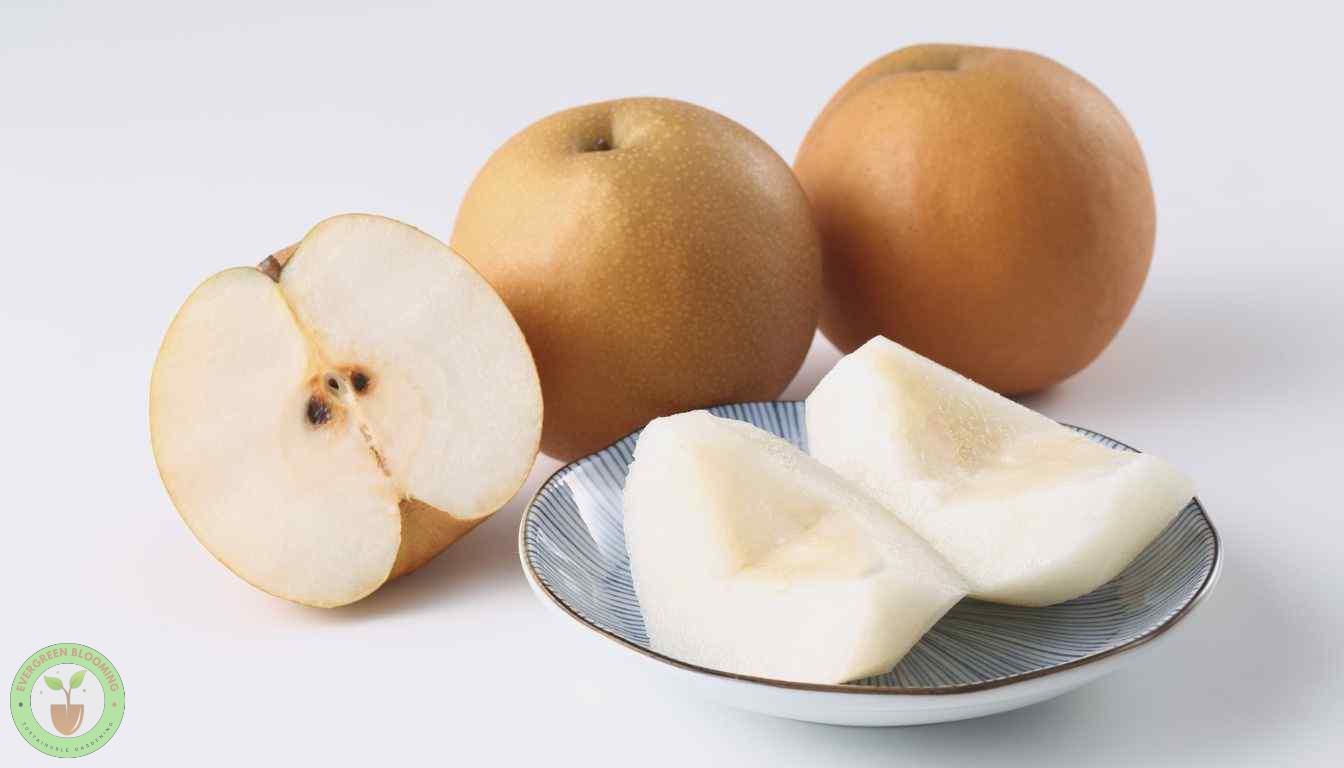
- Color transformation from green to light brown or orange
- Greenish-yellow hue for smoother-skinned varieties
- Uniform color across the entire fruit surface
- Subtle russeting (brownish network on skin)
Texture and Firmness Indicators
Asian pears are typically less ripe than European pears. Here’s what to check:
- Firmness test: Gently press the fruit near the stem
- Slight give indicates ripeness without becoming soft
- Maintain a crisp, juicy texture when ripe
- Avoid pears with soft spots or excessive bruising
Pro tip: A ripe Asian pear should feel heavy for its size and have a fresh, sweet aroma near the stem.
Knowing these signs will help you pick the best Asian pears for your cooking.
The Role of Taste in Ripeness
Finding the perfect Asian pear is more than just looking at it. Taste is key to knowing when it’s ripe. It shows the fruit’s true taste and when it’s ready to eat.
During the Asian pear’s peak season, the taste varies significantly. When they’re perfectly ripe, they offer a special taste experience. They are both crisp and very sweet.
Sweetness Levels to Look For
A ripe Asian pear should taste a certain way:
- It should be sweet but not too sugary
- It should have a hint of floral taste
- It should have a balanced flavor with a bit of acidity
Flavor Changes During Ripening
The taste of Asian pears changes as they ripen. It gets more complex and interesting. Here’s how the taste changes:
| Ripeness Stage | Flavor Characteristics |
|---|---|
| Unripe | Starchy, minimal sweetness |
| Developing | Mild sweetness, slight crunch |
| Peak Ripeness | Intense sweetness, perfect texture |
“A perfectly ripe Asian pear is nature’s candy – crisp, sweet, and utterly refreshing.”
To check if an Asian pear is ripe, take a small bite. It should be juicy but still firm. The taste should be rich in natural sweetness. This is the best way to know if it’s ready to eat.
Best Time for Picking Asian Pears
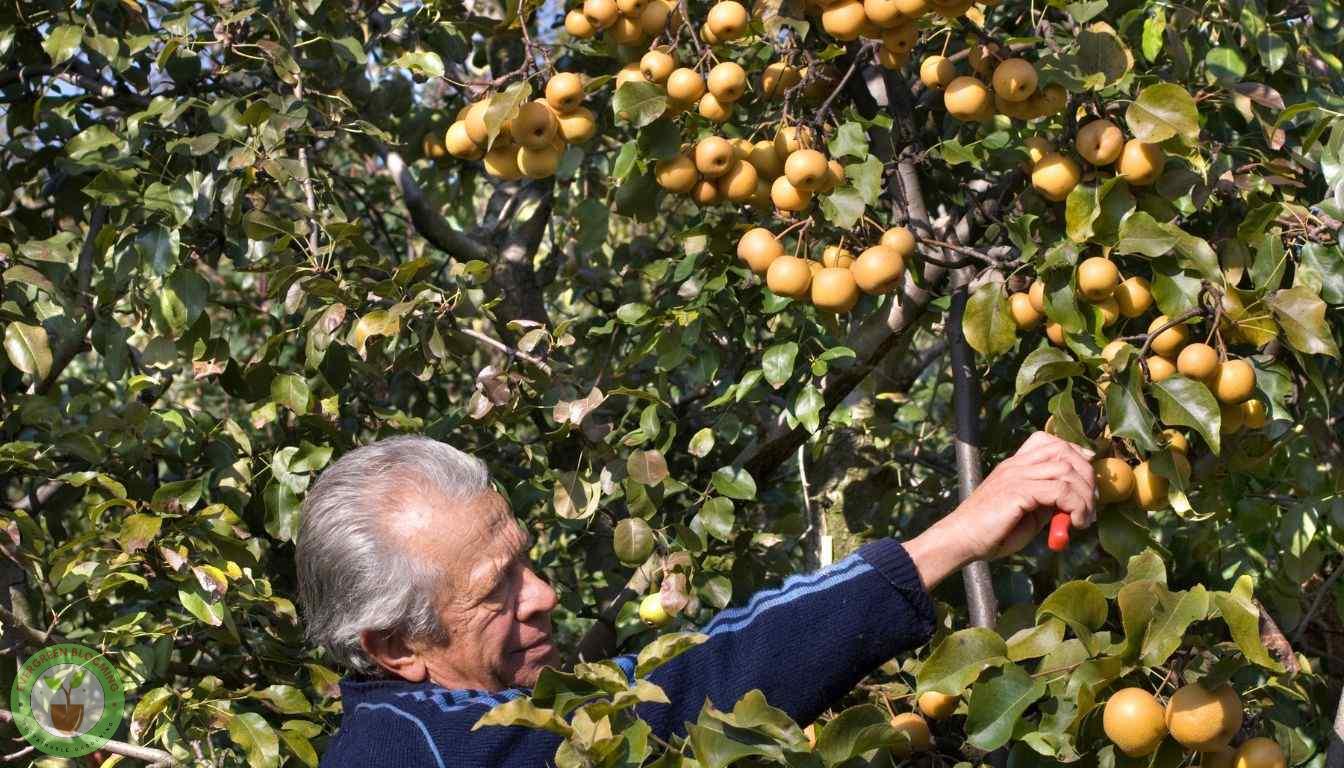
Picking Asian pears needs careful timing and attention. My experience shows that timing is key for fruit quality and taste.
Knowing when Asian pears are ripe is important. They have unique ripening traits that farmers and gardeners must know.
Optimal Harvest Indicators
Check these signs to see if Asian pears are ripe:
- Color transformation from green to yellow
- Consistent firmness across the fruit
- Sweet, crisp taste when sampled
- Uniform skin appearance
Weather Impact on Harvesting
The weather significantly affects the ripeness of Asian pears. Temperature and humidity are key to optimal harvest timing.
| Weather Condition | Impact on Asian Pears |
|---|---|
| Warm Temperatures | Increases the risk of fruit splitting |
| Cool Temperatures | Slows down fruit development |
| High Humidity | Increases risk of fruit splitting |
Morning vs. Afternoon Picking
Picking Asian pears in cooler parts of the day is best. Early morning or late afternoon is ideal. It keeps fruit quality high and reduces damage.
In places like Philadelphia, Asian pears are ripe from late August to early September. Your area may differ, so monitor your growing conditions closely.
Storing Ripe Asian Pears
Choosing the right Asian pears is just the start. Knowing how to store them is key to keeping their quality and taste. The right storage methods help keep their special qualities.
Asian pears are delicate and require proper care. Different storage methods can affect how long they last and how they taste.
Storage Conditions for Maximum Freshness
There are two main ways to store your Asian pears:
- Room Temperature Storage
- Keeps pears for 1-2 weeks
- Best for eating right away
- Keep in a cool, dry spot
- Refrigeration Storage
- Can last up to 3 months
- Keeps them fresh
- Use bags with holes in them
Preventing Spoilage and Maintaining Quality
To keep your Asian pears perfect, follow these tips:
| Storage Method | Temperature Range | Expected Shelf Life |
|---|---|---|
| Room Temperature | 60-70°F | 7-14 days |
| Refrigeration | 32-40°F | Up to 3 months |
Pro tip: Always check your pears before storing. Remove any bruised or damaged items to prevent spoilage.
Learning these storage tips will help you enjoy your Asian pears more. You’ll keep their crisp texture and sweet taste for longer.
How to Use Ripe Asian Pears
When the asian pear’s peak season arrives, these fruits are a culinary dream. They are crisp and sweet, perfect for many dishes. Finding the right ripeness opens up a world of flavors.
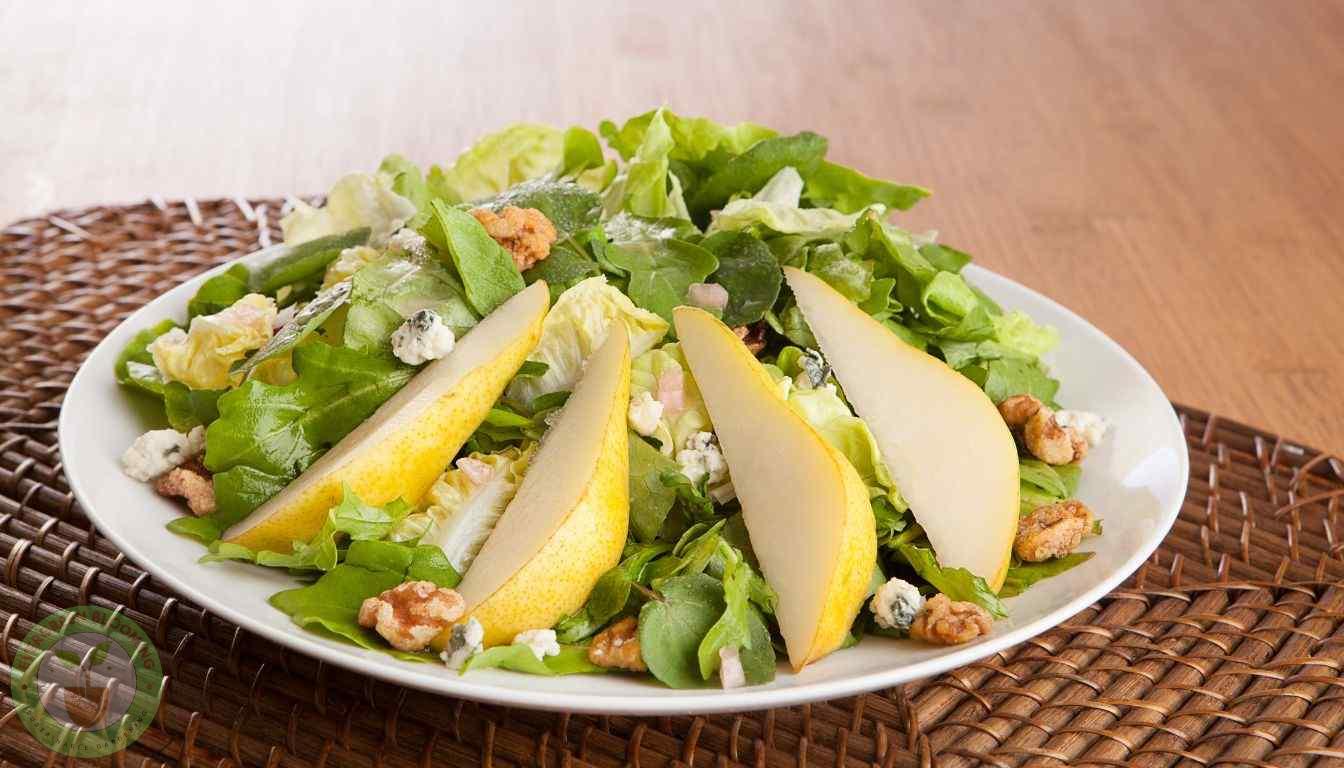
Delectable Recipes Featuring Asian Pears
It’s easy to turn Asian pears into tasty dishes. Here are some top picks:
- Asian Pear Salad with Goat Cheese
- Spiced Pear Compote
- Roasted Chicken with Asian Pear Glaze
- Asian Pear Smoothie
Perfect Food Pairings
Asian pears pair well with a variety of foods. Try these great matches:
| Ingredient | Pairing Suggestion |
|---|---|
| Cheese | Blue Cheese, Brie |
| Proteins | Grilled Chicken, Pork Tenderloin |
| Nuts | Walnuts, Almonds |
| Herbs | Mint, Thyme |
These pairings bring out the Asian pear’s flavor and texture. Try new combinations to enhance your cooking during peak season.
Common Mistakes in Picking Asian Pears
Harvesting Asian pears needs careful attention and knowledge. Many gardeners and fruit lovers make big mistakes during the pear harvest season. These mistakes can ruin the quality of their fruit. Knowing these common errors can help you achieve optimal Asian pear ripeness and enjoy a great harvest.
Picking Asian pears at the right time is an art that needs careful watching. Let’s look at the most common mistakes that can mess up your fruit-picking experience.
The Ripeness Dilemma: Overripe vs. Under-ripe Pears
Finding the perfect moment for Asian pear ripeness can be tricky. Under-ripe pears are hard and tasteless. Overripe fruit is soft and loses its crisp texture.
- Under-ripe pears feel extremely firm and lack flavor
- Overripe pears develop soft spots and lose structural integrity
- Ideal pears should have a slight give when gently pressed
Recognizing Disease and Damage
During the pear harvest season, it’s important to watch for health issues in your fruit. Asian pears are susceptible to diseases that can degrade their quality.
Fire blight is a big threat to Asian pear trees. This bacterial disease shows up in a few ways:
- Blackened and shriveled young fruits
- Damaged shoot and branch tips
- Wilted blossoms that appear water-soaked
Pro tip: Always check your pears carefully before picking. Remove any fruit with signs of disease to keep the tree healthy.
By knowing these common mistakes, you can have a successful and tasty Asian pear harvest. This will make sure you get both plenty and quality.
Fun Facts About Asian Pears
Asian pears are more than just a tasty fruit. They have a rich history and a strong nutritional profile. When you’re ready to select them, you’ll see why they’re unique.
Nutritional Powerhouse
These fruits are a nutritional powerhouse. Here are some key benefits:
- High in dietary fiber
- Low in calories
- Rich in vitamin C
- Contains potassium and copper
- Supports digestive health
Cultural Significance
Asian pears have a long cultural history. They originated in China more than 3,000 years ago and arrived in the United States in the 1820s. Their ripeness was once celebrated as a sign of prosperity and good luck.
“The Asian pear is not just a fruit, but a cultural ambassador bridging traditions across continents.” – Agricultural Historian
In Korea, they’re given as gifts during big celebrations. Japan uses them in both sweet and savory dishes. Their crisp texture and delicate flavor make them a favorite worldwide.
Global Cultivation
Now, Asian pears are grown in many countries. China, Japan, Korea, and the United States lead in production. Their ability to grow in different climates has made them a global favorite.
Troubleshooting: What If My Asian Pears Don’t Ripen?
Growing Asian pears can be challenging, especially when they don’t ripen properly. Knowing how to handle asian pear maturity helps gardeners succeed.
Common Ripening Roadblocks
Several things can stop Asian pears from ripening. The main issues are:
- Insufficient winter chill hours
- Nutrient deficiencies
- Environmental stress
- Improper harvesting techniques
Strategies to Encourage Proper Ripening
I’ve found ways to fix ripe asian pear indicators that aren’t right:
- Verify Chill Hour Requirements: Asian pears need 600-900 hours below 45°F to break dormancy
- Select cultivars suited to your specific climate zone
- Apply calcium and boron foliar sprays during growth
- Harvest fruits when they’re still partially green
Expert Intervention
When ripening problems last, getting expert help is key. Local agricultural extension services offer tailored advice. They can help determine why your Asian pears aren’t ripening properly.
Pro Tip: Immediate cooling after harvest can significantly reduce internal browning and improve fruit quality.
Frequently Asked Questions (FAQs)
How do I know when Asian pears are ripe?
What’s the best time of year to harvest Asian pears?
Do Asian pears ripen off the tree?
How long can ripe Asian pears be stored?
What’s the difference between Asian and European pears?
How can I tell if an Asian pear is overripe?
Can I grow Asian pears in my backyard?
What’s the best way to eat a ripe Asian pear?
Final Thoughts: Enjoying the Perfect Asian Pear
As we conclude our journey into Asian pears, let’s focus on the key points for determining when they’re ripe. Knowing when the Asian pear’s peak season is can greatly enhance your enjoyment of these fruits.
Learning about ripeness is a skill that involves looking, feeling, and tasting. Ripe Asian pears are firm but slightly soft, with a bright color and a sweet, crisp taste. It’s important to be patient and watch closely to pick the best pear.
My favorite way to enjoy them is simple. Slice them fresh for a quick snack, add them to salads for a crunchy texture, or use them in desserts to show off their natural sweetness. Whether you pick them yourself or buy them at a market, trust your senses and look for the signs we’ve talked about.
Getting good at picking ripe Asian pears takes time, but now you have the knowledge to become an expert. Happy picking, and enjoy every delicious bite!
Further Recommendations:
- Winterproofing the Garden
- A Beginner’s Guide to Growing Lettuce
- Exciting Edible Mushrooms
- Homesteading
- Beginner’s Guide to Growing Tomatoes
- The ultimate guide to growing Serrano Peppers in pots
- Ultimate Guide to Strawberries
- Discover the World of Peppers
- What are Heirloom Strawberries
- What not to plant with strawberries
- When to transplant strawberries
- Best Organic Fertilizers for Strawberries
- What is a Strawberry Tree?
- Stylish Gardening Arm Sleeves for Gardening
- What animals eat strawberries
- Do strawberries grow on trees?
- Best Outdoor Composting Bins
- Ultimate Guide to Kiwi Fruit
- Understanding Mushrooms
- How much cold can strawberries tolerate?

Leave a Reply