
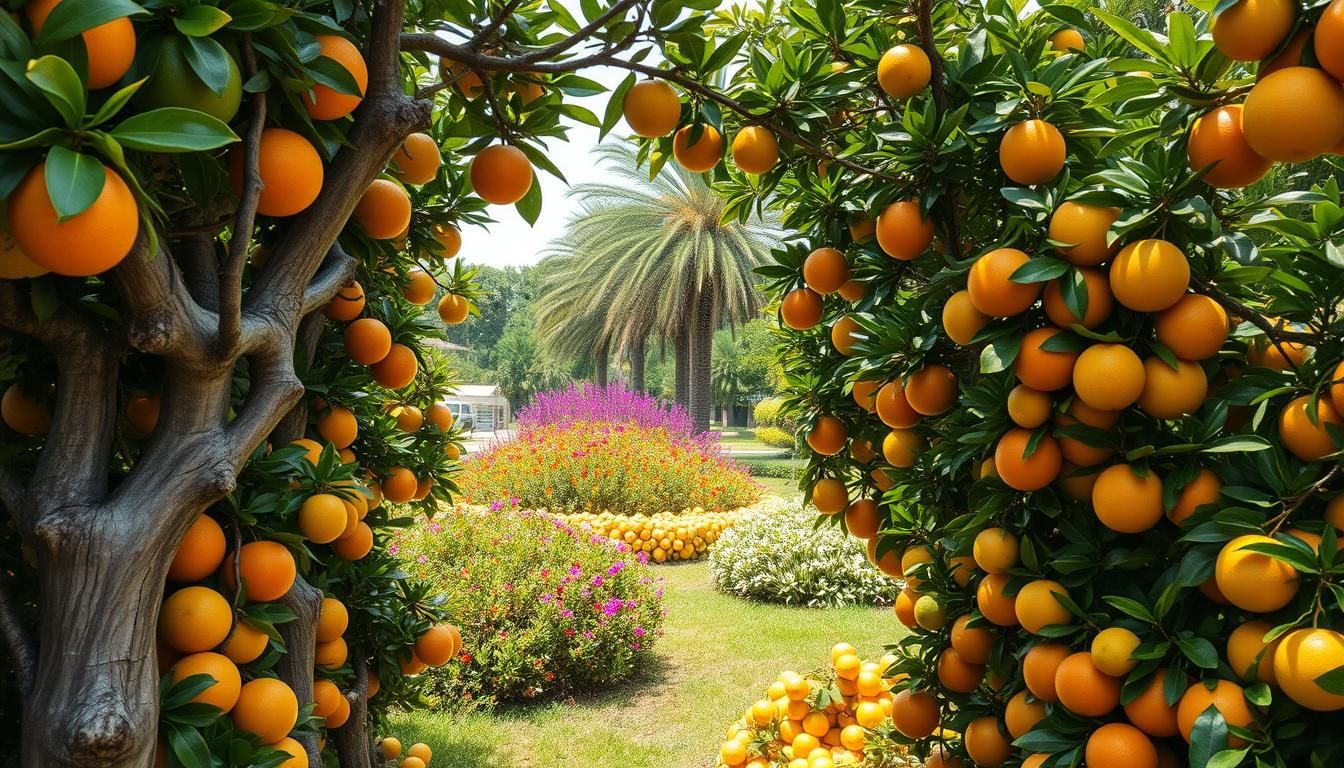
Ever thought about turning your backyard into a fruit paradise? Growing top citrus fruits in your garden is more than a hobby. It’s a tasty journey waiting for you.
With 40 citrus varieties to choose from, gardening fans can pick from a wide range of fruits. Your garden can become a citrus wonderland, pleasing both your eyes and taste buds.
Imagine picking fresh oranges, lemons, or limes right from your backyard. Top citrus fruits offer more than just food. They give you a chance to connect with nature’s gifts. Let’s go on a journey and discover the top citrus fruit varieties for your garden.
Key Takeaways
- Discover diverse citrus fruit varieties for home gardening
- Learn about year-round fruit production possibilities
- Understand the potential of different citrus types in your garden
- Explore frost-hardy and container-friendly citrus options
- Enjoy the multiple benefits of growing your own citrus fruits
Why Grow Citrus Fruits in Your Garden?
Imagine walking into your backyard and picking fresh oranges, lemons, limes, or grapefruits right from the tree. Growing citrus fruits at home is more than a hobby. It’s a tasty way to improve your health and enjoy amazing flavors.
Home-grown citrus has benefits that store-bought fruits can’t match. You get produce at its freshest, with the most nutrients and flavor.
Benefits of Fresh Citrus
- Immediate access to nutrient-rich fruits
- Control over growing conditions
- Reduced environmental impact
- Cost-effective produce
- Personal satisfaction of growing your own food
Nutritional Value of Citrus Fruits
Citrus fruits are full of nutrients. Lemons, oranges, limes, and grapefruits are packed with vitamins and minerals. They’re famous for their vitamin C, which helps your immune system and skin health.
By growing your own citrus garden, you’ll always have fresh, organic fruits. These can improve your diet and wellness routine.
Product offers are temporarily unavailable.
Factors to Consider When Choosing Citrus Varieties
Choosing the right citrus trees for your garden is a big decision. It’s not just about picking a tree. You need to understand your local environment and the needs of different tangerines and citrus varieties.
Your success in growing citrus depends on two main things: climate and space. These factors will help you choose which varieties will do well in your garden.
Understanding Climate Requirements
Citrus trees prefer warmer temperatures and grow best in zones 9 through 11. Before picking your trees, think about these climate factors:
- Frost tolerance varies by variety
- Young trees are more cold-sensitive
- Some varieties tolerate lower temperatures better
Here’s a quick frost tolerance breakdown for different citrus types:
- Kumquats: Most cold-tolerant (18-20°F)
- Mandarin trees: Low 20s°F
- Lemon trees: High 20s°F
- Orange varieties: Mid 20s°F
Space and Container Considerations
Not all citrus trees need the same amount of space. Dwarf varieties are great for gardeners with limited room:
- Dwarf trees: 2-4 feet tall
- Standard trees: 10-20 feet tall
- Perfect for container gardening
By matching citrus varieties to your climate and space, you’ll have a successful citrus growing experience.
Popular Citrus Varieties to Consider
Growing citrus fruits in your garden is exciting and rewarding. The right varieties can make your outdoor space vibrant and productive. Let’s look at some top citrus fruit varieties for your garden.
Oranges: Sweet and Juicy Delights
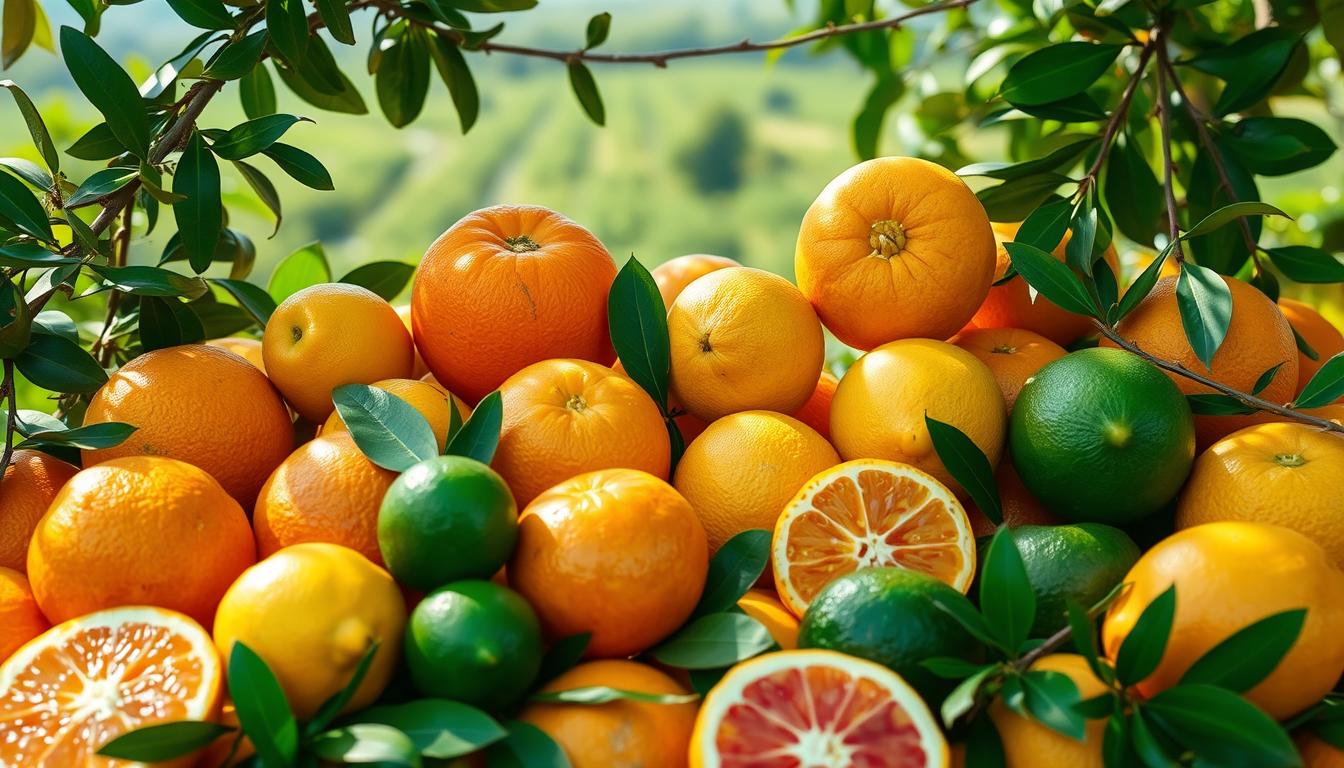
Oranges are a favorite for home gardeners. The Washington Navel orange is a top pick, known for its sweet taste and seedless fruit. These fruits are great to eat fresh and are packed with numerous health benefits.
- Washington Navel oranges: Seedless and super sweet
- Valencia oranges: Great for juicing
- Blood oranges: Unique deep red flesh with rich flavor
“A garden without oranges is like a day without sunshine!” – Citrus Enthusiast
Lemons: Versatile Culinary Powerhouses
Lemons are the most versatile citrus fruits. The Meyer Lemon is a gardener’s favorite, with a sweeter and less acidic taste than traditional lemons.
- Meyer Lemons: Sweeter and more compact
- Eureka Lemons: Classic tart variety
- Lisbon Lemons: Prolific producers
Limes: A Zesty Garden Addition
Limes add a vibrant, tangy flavor to your garden. The Bearss Lime, also known as Persian Lime, is popular for its reliable production and bright flavor.
- Bearss Lime: Seedless and prolific
- Key Lime: Smaller, more intense flavor
- Tahiti Lime: Large, juicy fruits
Remember, growing citrus fruits well depends on knowing your local climate and giving them the proper care. Each variety has its own needs, so do your research for a thriving citrus garden.
Unique Citrus Varieties You Might Not Know
There’s more to home gardening than just oranges and lemons. Discovering unique citrus varieties can turn your garden into a botanical wonderland. These fruits offer extraordinary flavors, stunning looks, and start interesting conversations.
Kumquats: Tiny Treasures of Citrus World
Kumquats are a unique citrus fruit. You can eat them whole, including the peel. They come from Asia and have a sweet-tart taste that surprises many gardeners.
- Bite-sized fruit is perfect for snacking.
- Edible entire fruit, including skin
- Thrives in containers and small spaces
Calamondin: The Ornamental Citrus Gem
Calamondin is another unique citrus variety. It’s a mix of mandarin orange and kumquat. It produces small, tart fruits that are more decorative than edible.
| Characteristic | Calamondin Details |
|---|---|
| Height | 3-4 meters |
| Fruit Size | Small |
| Primary Use | Ornamental/Decorative |
Buddha’s Hand: The Fingered Citron Wonder
The Buddha’s Hand citron is a must-see for unique gardening. It looks like a hand with finger-like segments. It’s not eaten fresh but is valued for its strong scent and cooking uses.
“In the world of citrus, variety is truly the spice of life!” – Citrus Gardening Enthusiast
Growing Tips for Healthy Citrus Trees
To grow thriving citrus trees, you need to pay close attention and use specific care methods. Whether you’re growing limes, grapefruits, or other citrus trees, knowing their unique needs is key to gardening success.
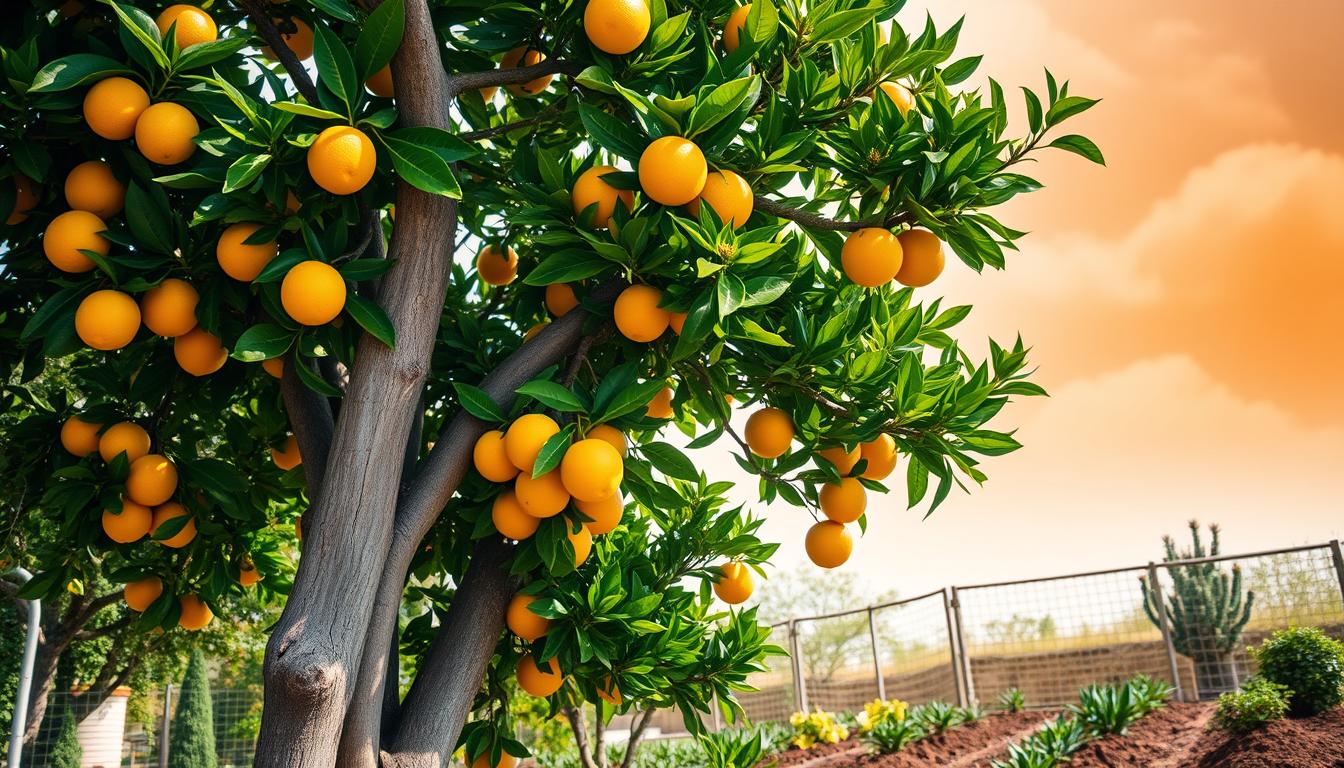
Successful citrus tree cultivation depends on several critical factors. These subtropical plants require special care to thrive and produce a bountiful harvest of fruit.
Essential Sunlight Requirements
Citrus trees love full sun, needing at least 6-8 hours of direct sunlight every day. Where you place them can greatly affect their health and fruit production.
- Choose locations with maximum sun exposure.
- Protect trees from harsh afternoon heat in extremely hot regions
- Consider reflective heat from buildings or walls
Optimal Watering Practices
Proper watering is crucial for citrus trees. New trees need consistent moisture without getting too wet.
| Tree Age | Watering Frequency | Water Amount |
|---|---|---|
| First Week | 2-3 times | Thorough soaking |
| Following Weeks | 1-2 times | Consistent moisture |
Pruning and Maintenance Techniques
Regular pruning keeps the tree healthy and encourages better fruit production. It’s important to remove dead or crossing branches to improve air flow.
- Prune during late winter or early spring
- Use clean, sharp pruning tools
- Remove diseased or damaged branches
By following these tips, you’ll create a great environment for your citrus trees to thrive. They’ll produce delicious fruits for many years.
Pest and Disease Management in Citrus Gardening
Growing citrus is rewarding, but it needs careful pest and disease management. Healthy tangerines and other citrus depend on early care and quick threat detection.
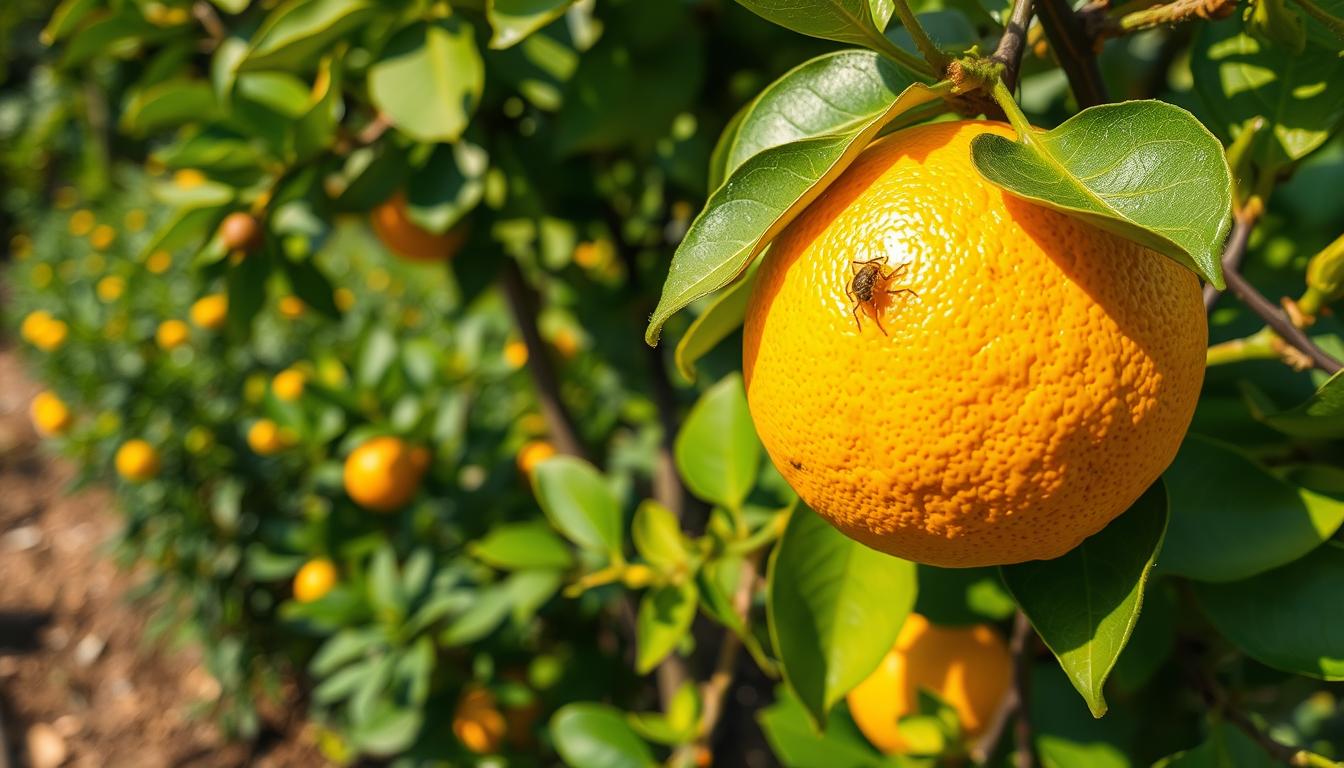
Understanding common threats is key to successful citrus gardening. Pests and diseases can harm your plants if not managed.
Common Citrus Pests to Watch
- Scale insects: Tiny 1/16 inch pests found on young twigs and branches
- Aphids: Rapidly reproducing insects that can cause significant damage
- Whiteflies: Small white-winged insects that suck plant juices
- Mealybugs: Quarter-inch-long insects that contaminate fruit clusters
- Orange Dog Caterpillars: Can strip entire trees of leaves within days
Preventive Pest Management Strategies
Protecting your citrus trees needs a multi-faceted approach. Regular monitoring and early action are key to keeping trees healthy.
| Pest Control Method | Effectiveness |
|---|---|
| High-pressure water spray | Effective for young plants |
| Neem Oil Concentrate | Excellent for mite control |
| Insecticidal soaps | Natural control for multiple pest types |
| Ant population management | Reduces secondary pest spread |
When growing citrus, use disease-resistant varieties and keep your garden clean. Adjust watering to prevent pests and watch your trees for signs of trouble.
Chemical treatment concentrates should be a last resort. Stick to natural and preventive methods to keep your citrus trees thriving.
Harvesting Your Citrus Fruits
Growing top citrus fruit varieties in your garden is exciting. It ends with the rewarding moment of harvest. Knowing when and how to pick your citrus fruits ensures you get the freshest, most flavorful produce.
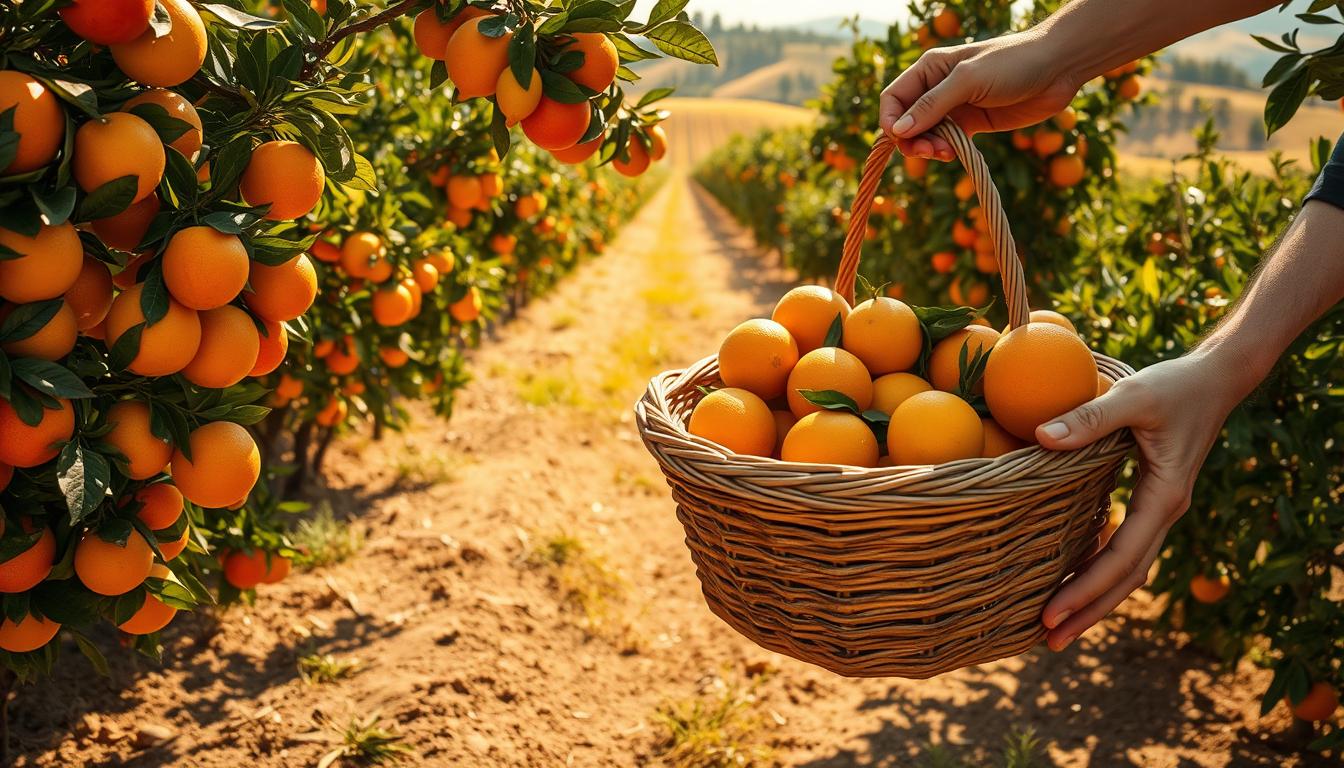
Recognizing Ripe Citrus Fruits
Finding the perfect time to harvest citrus fruits needs careful observation. Each citrus variety has its own ripening signs:
- Oranges: Deep orange color, firm but slightly soft when gently squeezed
- Lemons: Bright yellow, best harvested during winter months
- Limes: Full green color, before turning yellow
Optimal Harvesting Techniques
Proper harvesting of citrus fruits protects both the fruit and the tree. Here are some expert techniques for your citrus garden:
- Use clean, sharp pruning shears to cut fruits with a small stem attached.
- Gently twist and pull ripe fruits to avoid damaging branches.
- Harvest during the coolest part of the day, typically morning or late afternoon.
| Citrus Variety | Peak Harvest Season | Storage Duration |
|---|---|---|
| Oranges | Late Fall to Early Spring | 1 week at room temperature |
| Lemons | Year-round (Best in Winter) | 2-3 weeks refrigerated |
| Limes | Late Summer to Early Fall | 1 week at room temperature |
Please remember, timing is crucial when harvesting citrus fruits. If fruits stay on the tree too long, they can become overripe and attract pests. Check your citrus trees often and pick fruits at their peak for the best flavor and quality.
Using Citrus Fruits in Your Kitchen
Growing oranges and lemons at home can lead to tasty adventures. Once your trees grow, you’ll find many ways to use and save your citrus.
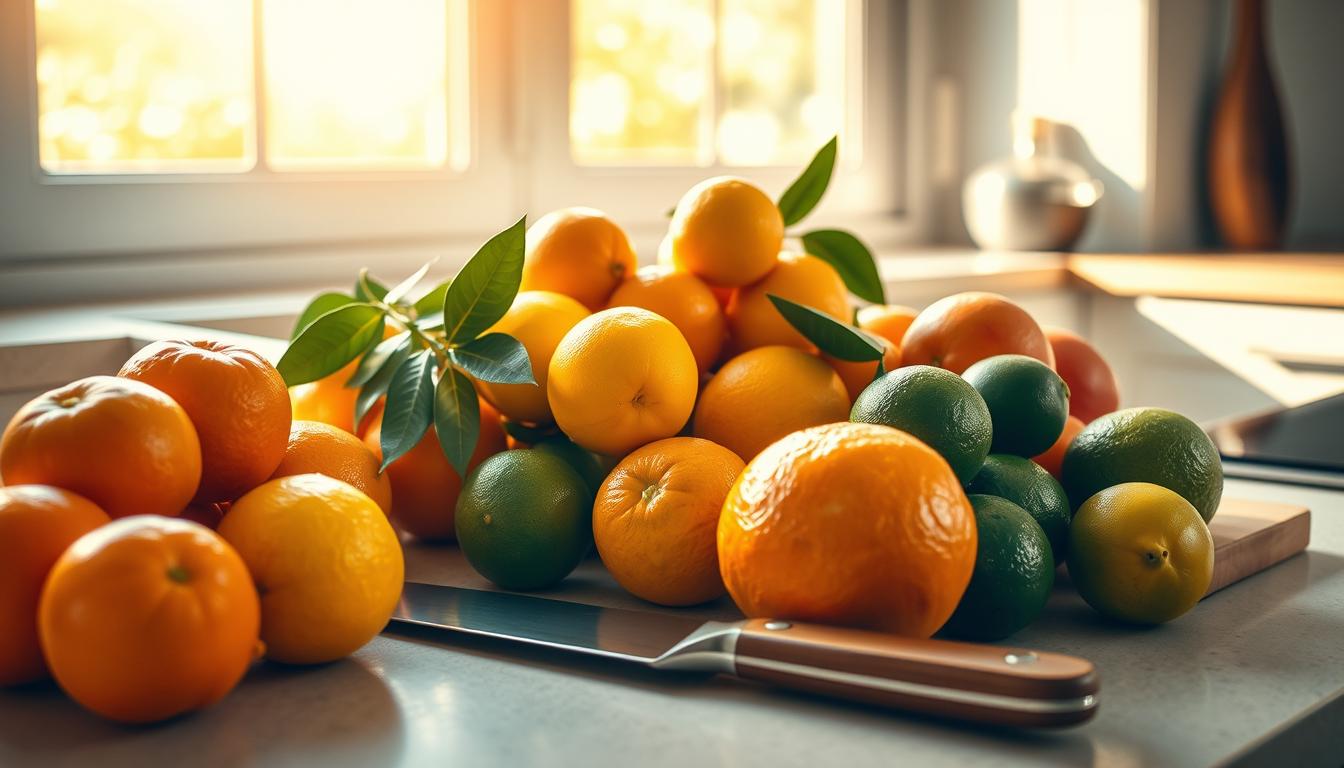
Getting the most from your citrus means trying new recipes and ways to keep them fresh. This brings out the best flavors of your homegrown fruits.
Delicious Recipes with Citrus
Citrus fruits are super versatile in cooking. Here are some tasty ideas to use your oranges and lemons:
- Fresh citrus salad dressings
- Zesty marinades for grilled meats
- Homemade lemon bars
- Orange-infused desserts
- Citrus-flavored beverages
Product offers are temporarily unavailable.
Preserving Your Citrus Harvest
Keep enjoying your citrus by preserving it. Here are some ways to do it:
- Freezing juice in ice cube trays
- Making marmalades and preserves
- Candying citrus peels
- Dehydrating citrus zest
| Preservation Method | Storage Duration | Best Uses |
|---|---|---|
| Frozen Juice Cubes | 3-6 months | Cooking, Baking, Drinks |
| Marmalade | 1 year | Spreads, Baking |
| Dried Zest | 6-12 months | Seasoning, Baking |
Pro tip: Always label your preserved citrus with the date to track freshness and maximize flavor!
Citrus Varieties Ideal for Small Spaces
Even in tight urban spots, you can grow your own citrus trees. You can have limes, grapefruits, and more with smart planting and container gardening.
Dwarf citrus trees are great for small gardens or patios. They grow 8 to 12 feet tall, perfect for pots. You can have a mini orchard on your balcony or in a small outdoor area, featuring multiple trees in pots.
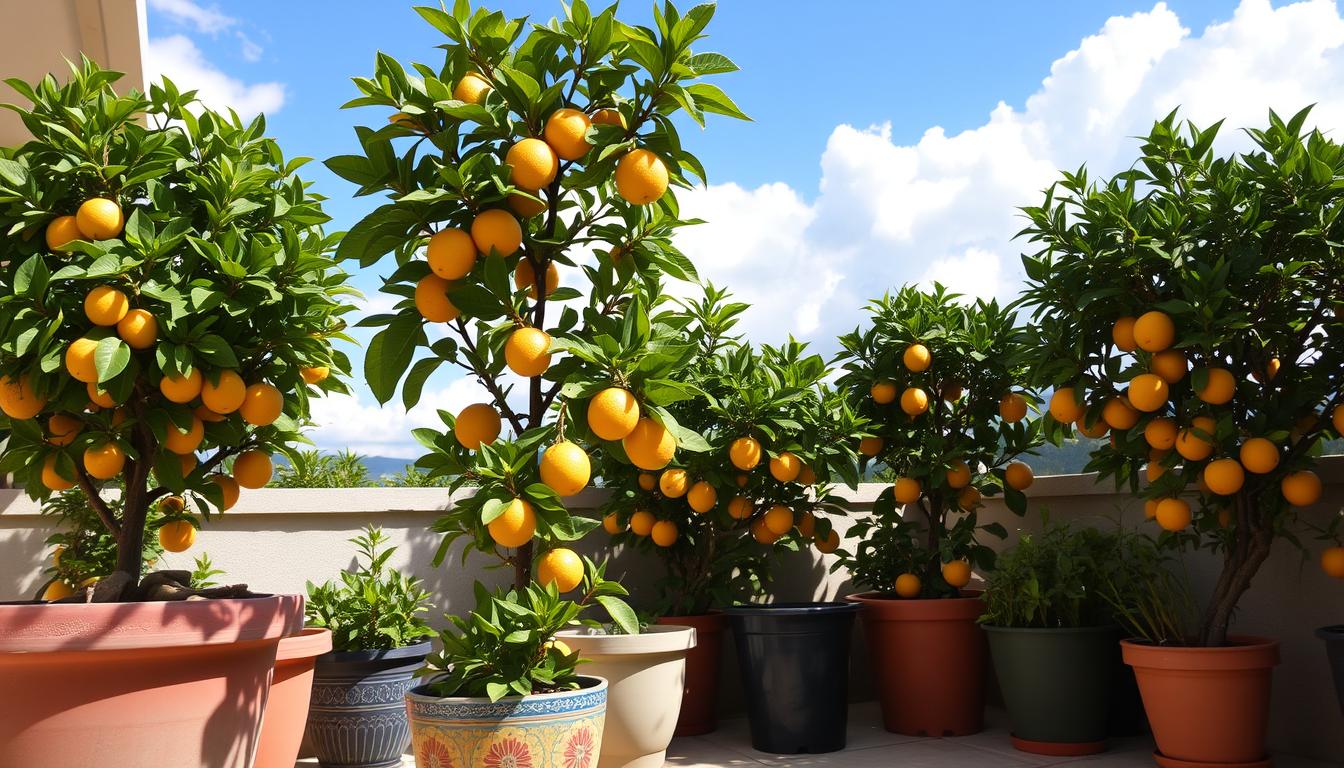
Choosing the Right Dwarf Citrus Trees
Here are some top dwarf citrus tree picks:
- Meyer Lemon: Sweet, compact tree growing 6-10 feet tall
- Bearss Lime: Produces juicy limes in containers
- Calamondin: A Versatile citrus tree perfect for small spaces
- Dwarf Navel Orange: Compact and prolific fruit producer
Container Gardening Tips for Citrus Trees
Here’s how to grow citrus trees in containers:
- Use large pots or grow bags with excellent drainage
- Choose a potting mix made for citrus trees
- Ensure 6-8 hours of direct sunlight daily
- Protect trees from extreme temperatures
- Fertilize every 4-6 weeks during the growing season
With the right tree and proper care, you can enjoy citrus fruits even in small spaces. Dwarf citrus trees make your urban garden fresh and fruitful.

Frequently Asked Questions (FAQs):Citrus Varities to Grow in Your Garden
What are the best citrus fruits for beginners to grow?
How much sunlight do citrus trees need?
Can I grow citrus fruits in a cold climate?
How often should I water my citrus trees?
What are common pests that affect citrus trees?
How long does it take for a citrus tree to produce fruit?
Are there citrus varieties that work well in small spaces?
How do I know when my citrus fruits are ripe?
Can I grow multiple citrus varieties together?
What’s the best soil for citrus trees?
Final Thoughts: Resources for Citrus Gardening Enthusiasts
Ready to explore more about growing citrus? Your journey into the world of Top Citrus Fruit Varieties for Your Garden is just starting. Local university cooperative extension services offer advice tailored to your area. They know all about growing citrus in your climate and soil.
For citrus lovers, the right resources are key. Growing Citrus books and websites like ours and other dedicated gardening sites are full of helpful guides. Online forums and Facebook groups can connect you with experts who can solve your most challenging growing problems.
Product offers are temporarily unavailable.
Community Connections
Local gardening clubs and nurseries are full of valuable tips. Many areas have citrus enthusiast groups that share knowledge and plants. Look for local nurseries with upcoming events and talks to meet other citrus gardeners.
Finding Specialized Resources
Look for nurseries that specialize in citrus trees, such as dwarf and container-friendly varieties. Online marketplaces like Amazon, as well as specialized citrus growers, can deliver quality citrus trees right to your door.
The right resource can make growing citrus a joy, not a struggle. Happy growing.
Further Recommendations:
- Winterproofing the Garden
- A Beginner’s Guide to Growing Lettuce
- Exciting Edible Mushrooms
- Homesteading
- Beginner’s Guide to Growing Tomatoes
- The ultimate guide to growing Serrano Peppers in pots
- Ultimate Guide to Strawberries
- Discover the World of Peppers
- What are Heirloom Strawberries
- What not to plant with strawberries
- When to transplant strawberries
- Best Organic Fertilizers for Strawberries
- What is a Strawberry Tree?
- Stylish Gardening Arm Sleeves for Gardening
- What animals eat strawberries
- Do strawberries grow on trees?
- Best Outdoor Composting Bins
- Ultimate Guide to Kiwi Fruit
- Understanding Mushrooms
- How much cold can strawberries tolerate?
Video: Top Tips For Growing Citrus in Containers
Reference Links
- Growing Great Citrus – UCANR
- Kumquats – UFL
- Calamondin – UCR
- Buddha’s Hand Citron – Wiki

Leave a Reply