
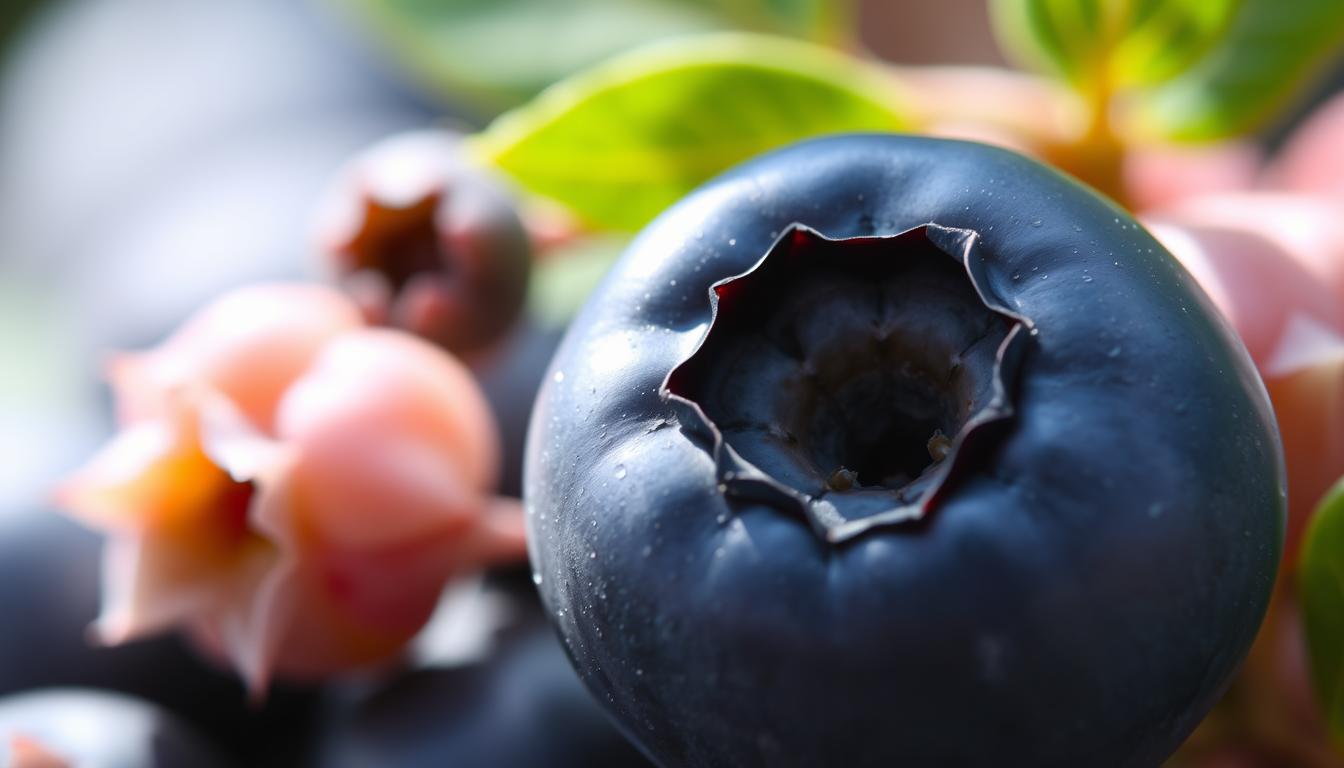
Ever wondered why you shouldn’t judge blueberries by their color? What color are Blueberries? They’re not always blue. Blueberries change color as they ripen, going from green to deep blue or purple. Let’s explore the color changes of blueberries from unripe to ripe.
This journey shows us how much we can learn from these fruits. It also helps us see their nutritional value.
Key Takeaways
- Blueberries start as green before transitioning through colors.
- The final ripe blueberry color is a deep blue or purple.
- Knowing the color can improve your picking experience.
- Each color stage may indicate different nutritional benefits.
- Understanding the blueberry pigment is key to understanding its color changes.
Understanding Blueberry Color Changes
The journey of a blueberry from bud to fruit is full of color changes. Knowing the blueberry life cycle helps us see when they go from unripe to ripe. This change is key to their nutrition and taste.


The Life Cycle of a Blueberry
The blueberry life cycle starts with dormant buds in winter. When spring comes, these buds bloom into flowers. Then, small green berries form, setting the stage for ripening.
As spring turns to late spring, the berries change color. This indicates they are growing and preparing to ripen.
How Ripeness Affects Color
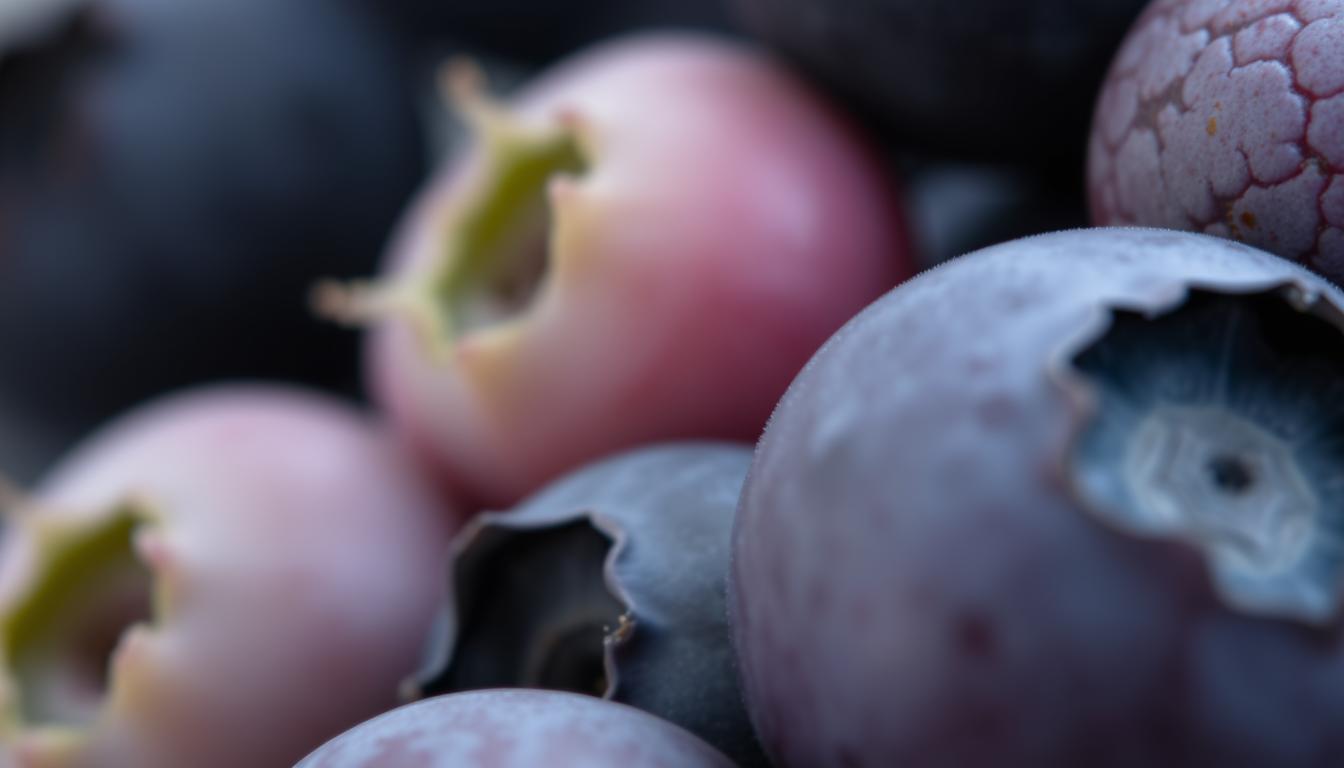
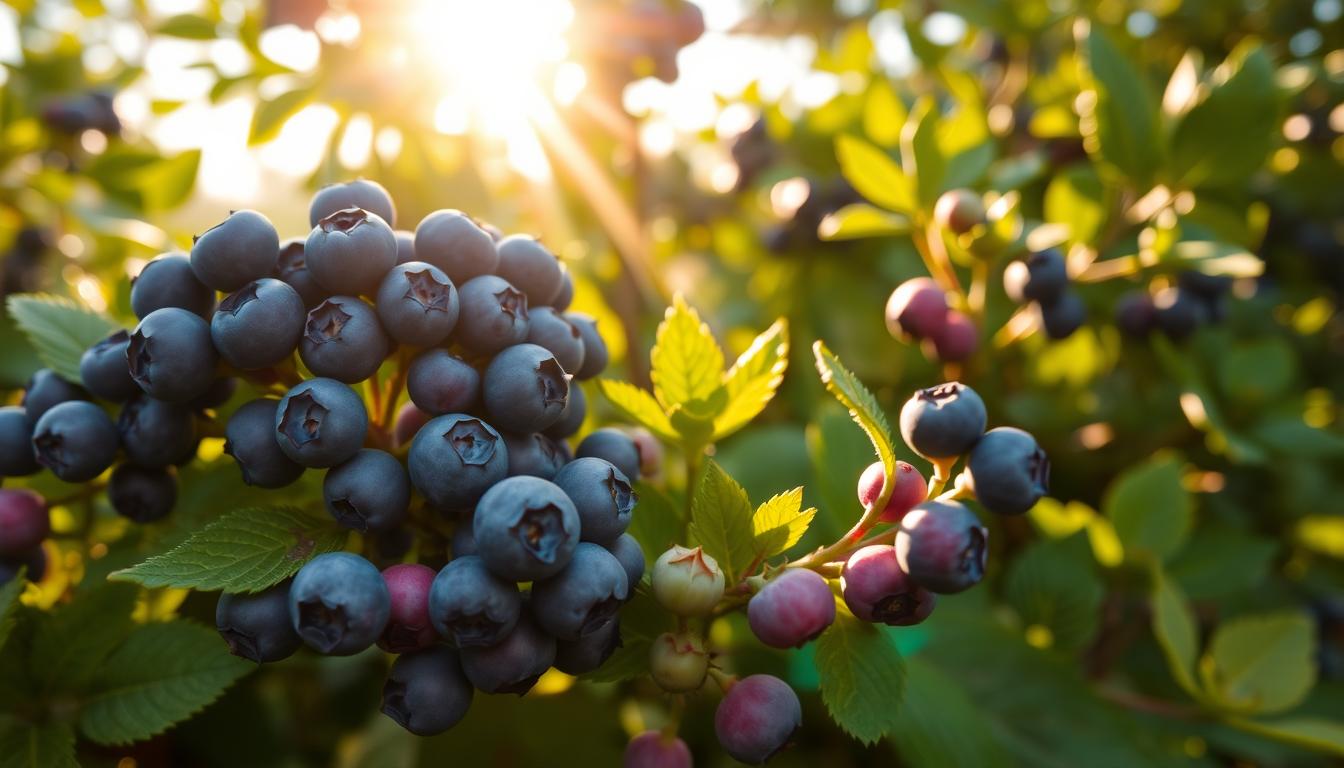
Color changes in blueberries show when they are ripe. Unripe berries are light green, then turn pink and light blue. When they are fully ripe, they turn dark blue or purple.
This color change also affects taste. Unripe berries are firmer and tart. Ripe berries are sweeter and have a fuller taste.
Nutritional Impact of Color
Color is more than just looks. Darker blueberries have more nutrients, like antioxidants. These are good for health.
The deep blue color is due to anthocyanins. These pigments boost the berry’s nutritional value. Unripe berries don’t have these benefits, showing why color matters for nutrition.
Unripe Blueberries: What Do They Look Like?
Understanding unripe blueberries is key. They exhibit unique characteristics of unripe blueberries that differ from those of ripe blueberries. The unripe berry’s appearance is firm and not sweet.
Characteristics of Unripe Blueberries
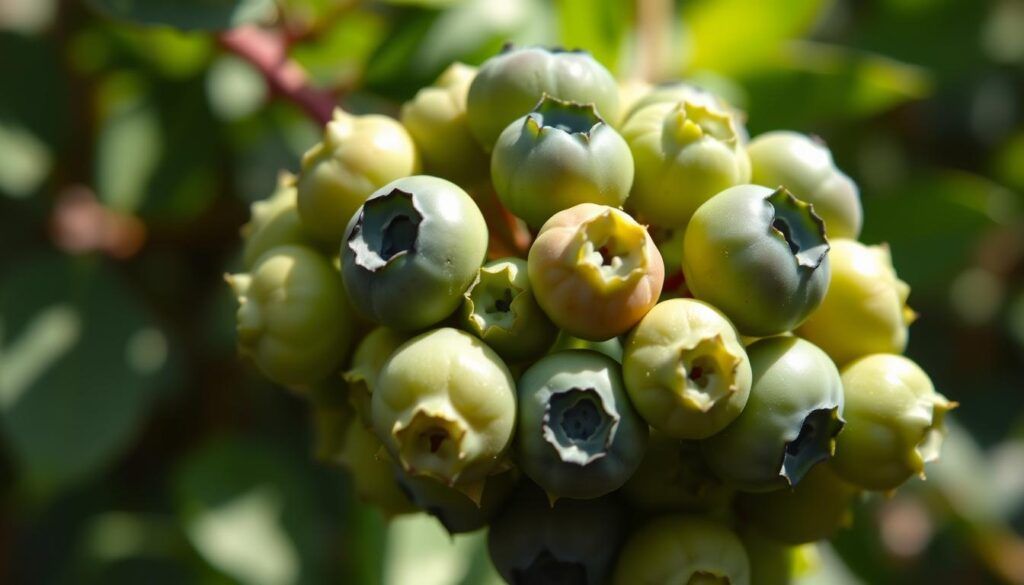
Unripe blueberries are green or pale pink. They are smaller than ripe ones. The blueberry berry texture is hard and tart, not sweet like ripe ones.
Color Variations in Different Varieties
Exploring different types of blueberries shows color changes in unripe ones. Northern highbush blueberries start green, while rabbiteye ones are pinkish. Knowing these colors helps us know when to pick them.
| Blueberry Variety | Unripe Color | Size Comparison |
|---|---|---|
| Northern Highbush | Light Green | Smaller than ripe |
| Rabbiteye | Pale Pink | Similar to ripe |
| Southern Highbush | Greenish Yellow | Small |
The Beauty of Ripe Blueberries
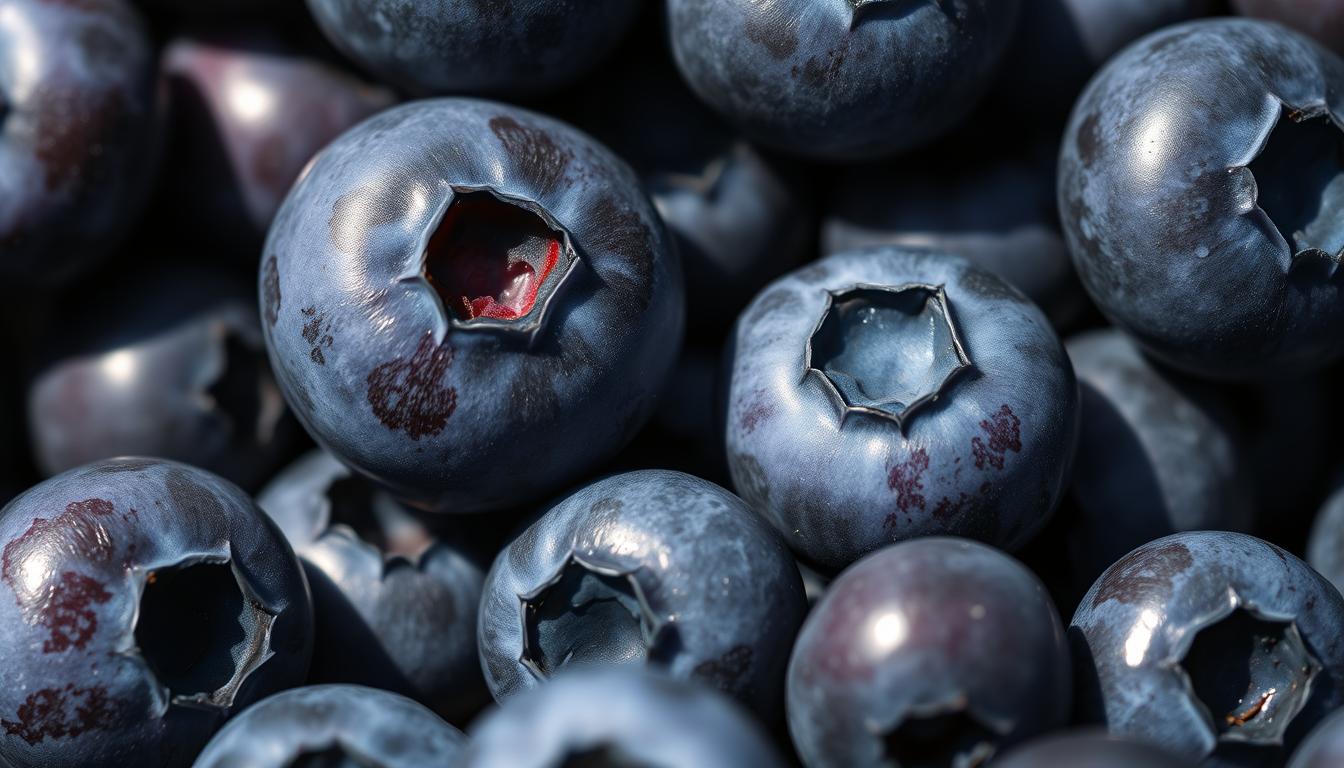
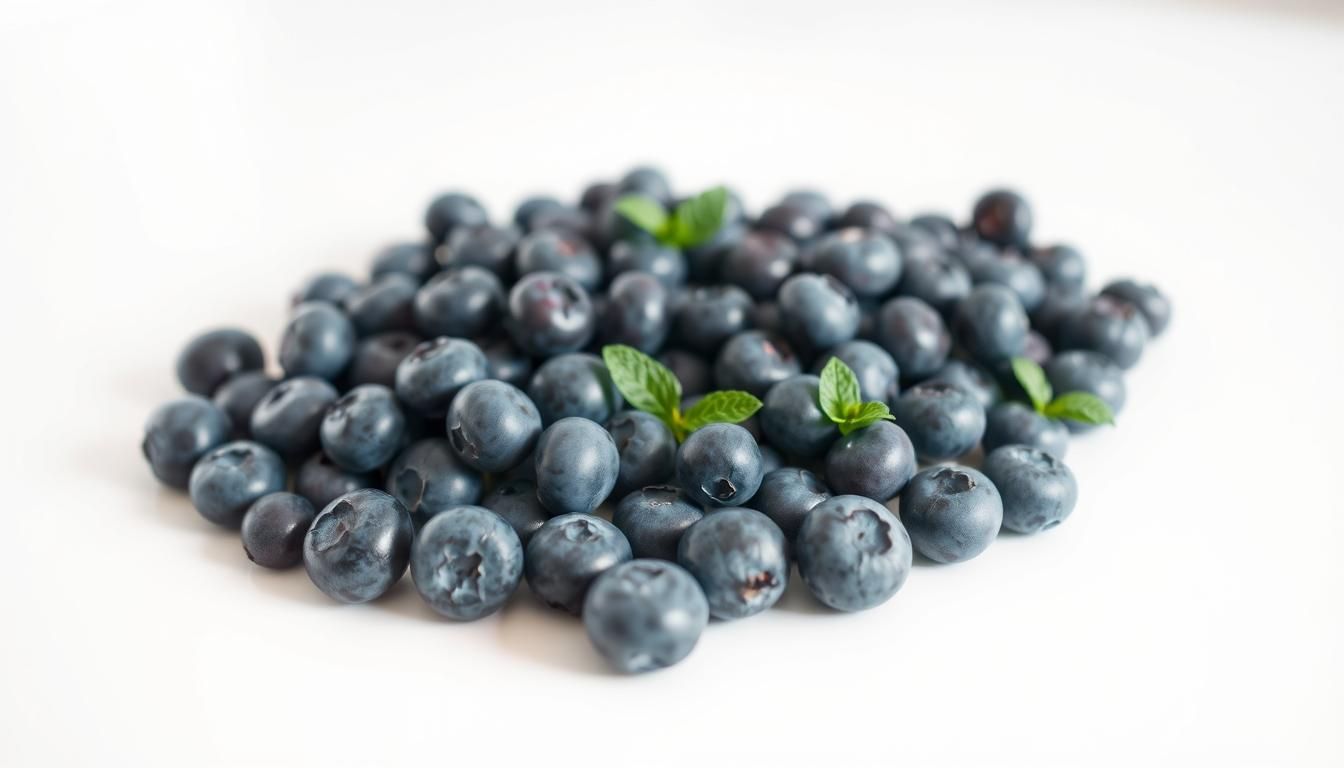
Picking blueberries is all about their stunning look. Ripe blueberries have a bright, rich blue color that shows their sweetness. They often have a purplish tint, thanks to their high anthocyanin content. This makes them look amazing and tells us they’re ready to eat.
The Distinctive Hue of Ripe Blueberries
Spotting the right blueberry color is crucial for enjoying them fully. A deep blue color means they’re ripe. If they’re not green or pink, they’re at their best. Seeing those dark blue berries makes me excited to pick them.
How to Tell When Blueberries Are Ripe
Knowing when blueberries are ripe can improve picking. Here are some signs:
- Uniformly dark blue color with no green.
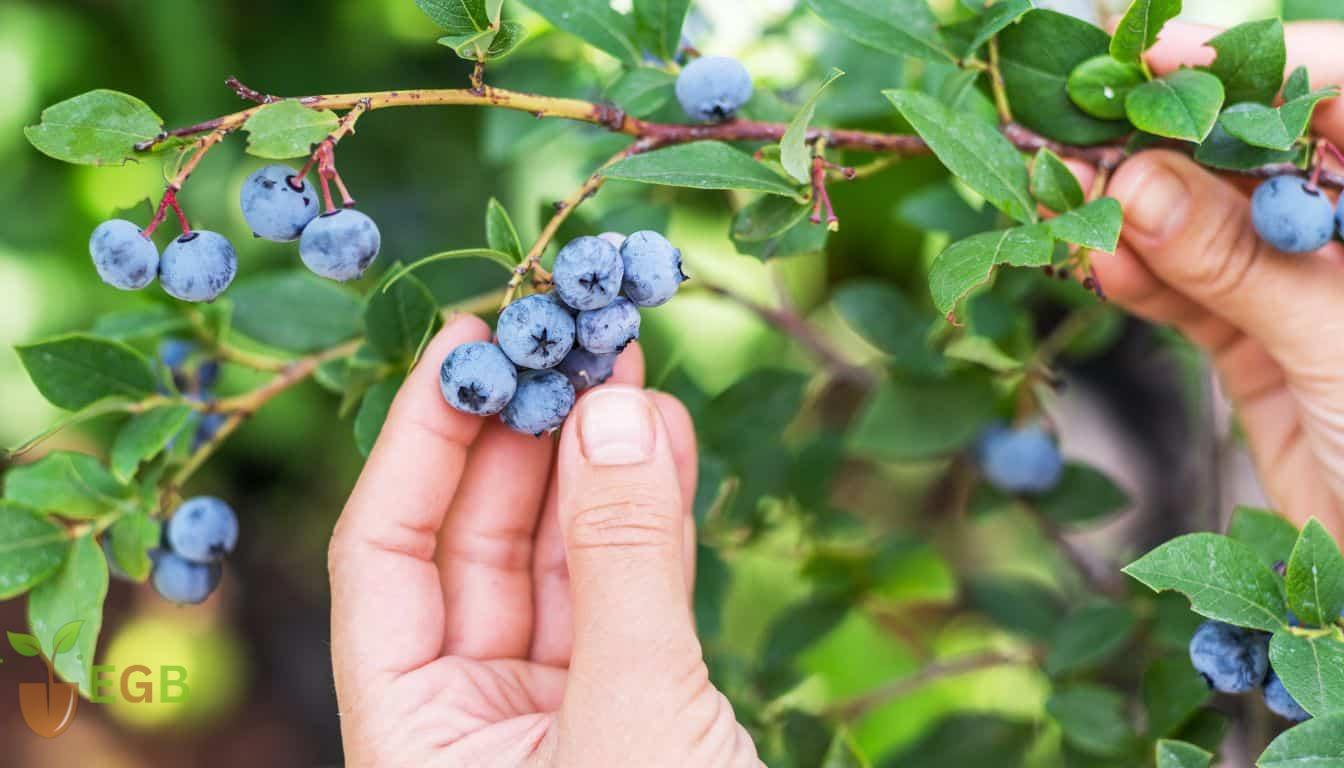
- Gently pull them off the stem; ripe ones come off easily.
- Taste them to check their sweetness, which means they’re ready.
By watching for these signs, I pick the best-tasting blueberries. Each one is like a piece of summer, full of joy and freshness.
The Role of Sun Exposure
Sunlight is key for blueberries, making them taste better and look more vibrant. Blueberries get richer colors when they get at least six hours of sunlight a day. This makes them more visually and palatably appealing.
How Sunlight Influences Color
Sunlight changes blueberries in deep ways. When blueberries absorb sunlight, their color deepens and becomes more vibrant. The amount of sunlight can make blueberries range from light to deep blue.
Factors such as the sun’s angle and duration of exposure can also affect this. This demonstrates the importance of appropriate growing conditions.
Blueberries in Different Growing Conditions
Blueberries grow differently in different places, mainly because of temperature and humidity. In warm, sunny places, blueberries turn bright and appealing. But in cooler areas, they might not get as colorful.
This can mean fewer blueberries to pick. Gardeners need to pick the right place to grow blueberries for the best fruit.
| Growing Conditions | Sun Exposure | Color Variations |
|---|---|---|
| Warm Summers | 6+ hours | Vibrant Blue |
| Cool Climates | Less than 6 hours | Paler Blue or Greenish |
| Moderate Temperatures | 4-6 hours | Medium Blue |
The Science Behind Blueberry Colors
Blueberries are known for their bright colors, thanks to anthocyanins. These pigments are key to the blueberry’s color. The color can vary based on genetics, environment, and degree of ripeness.
Pigments That Create Blueberry Colors
Anthocyanin is the main pigment in blueberries. It varies in amount across varieties. This is why we see so many colors in ripe blueberries, from deep blue to purple.
This variety makes blueberries not only palatable but also visually appealing.
The Color Spectrum: From Green to Blue
Blueberries change color as they grow. They start green, then turn pink, and eventually blue. This shows how they get sweeter and more nutritious.
| Stage of Ripeness | Color Description | Flavor Profile |
|---|---|---|
| Unripe | Green | Very tart |
| Partially Ripe | Pink | Moderately sweet |
| Ripe | Deep Blue | Sweet and juicy |
The color changes in blueberries show their ripeness. They also show how the fruit interacts with its environment, like soil and sunlight.
Blueberry Varieties and Their Colors
An examination of blueberry types reveals a wide range of colors. These colors can make any dish pop. The Northern Highbush, Southern Highbush, and Rabbiteye varieties exhibit different coloration as they ripen. Knowing these differences helps pick the right berries.
Common Blueberry Varieties and Their Colors
Each common blueberry variety has its own color. Northern Highbush turns from green to dark blue as it ripens. Southern Highbush goes from green to deep blue. Rabbiteye blueberries start pink or light blue and turn darker.
These colors enhance the beauty of common blueberry varieties.
| Variety | Ripening Color | Flavor Profile |
|---|---|---|
| Northern Highbush | Dark Blue | Sweet and Tart |
| Southern Highbush | Deep Blue | Sweet with Hints of Sharpness |
| Rabbiteye | Pink to Dark Blue | Complex and Fruity |
Unique Blueberry Varieties Worth Trying
Unique blueberry varieties such as Bluecrop and Pink Lemonade add interest. Bluecrop has medium-sized, sweet blueberries. Pink Lemonade has a striking pink color and is suitable for desserts.
Mixing common and unique blueberries makes meals more fun. It also introduces new tastes. The blueberry world is vast, with many rare types to discover.
Harvesting Tips for Colorful Blueberries
Timing is key when it comes to picking blueberries. The best ones are picked at their peak. I find that going out early in the morning is best. This way, the berries are cool and sweet.
When to Harvest for Optimal Color
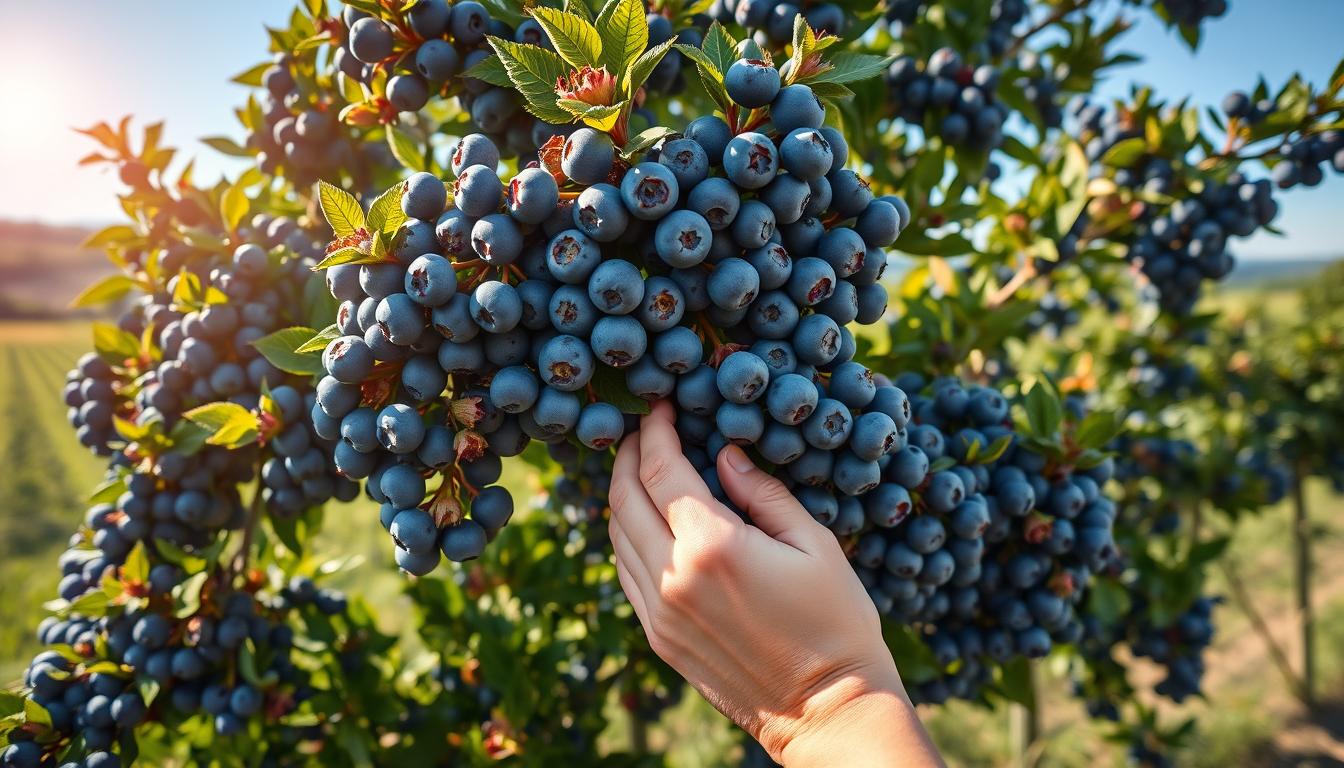
Knowing when to pick blueberries can make a big difference. The best time is usually between late June and early August. Currently, the berries are sweet and brightly colored.
How to Select the Best Blueberries
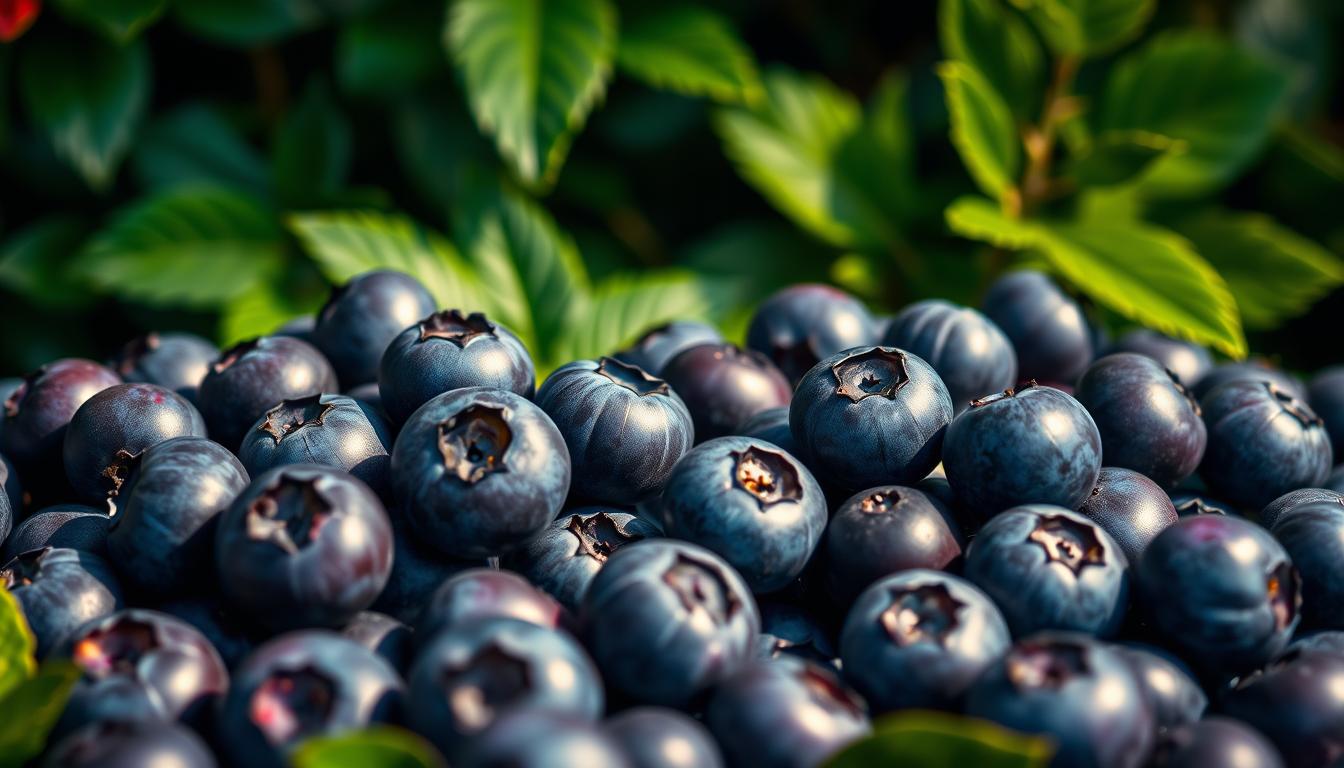
When picking, I look for berries that are plump and dry. Any with red or green spots are not ripe yet. I also check if berries fall off easily. If they do, they’re ready to eat.
| Indicator | Description |
|---|---|
| Color | Deep blue indicates ripeness. |
| Size | Plump blueberries are generally sweeter. |
| Firmness | Firmer berries tend to have better texture. |
| Dryness | Avoid wet berries as they may spoil faster. |
Fun Facts About Blueberry Colors
Blueberries are special to me, blending beauty and tradition. Their deep blue color means more than just a tasty snack. It’s a symbol of summer and is tied to many cultural practices and recipes. Blueberries are celebrated in festivals, stories, and recipes, demonstrating their enduring appeal in American homes.
The Cultural Significance of Blueberries
In the U.S., blueberries are celebrated in summer, often in pies and family events. They’re not just food but also carry family stories and memories. Blueberry tales suggest they bring good luck and wealth. This makes me appreciate blueberries as symbols of abundance and happiness in summer.
Blueberries in Culinary Arts
Blueberries are versatile in cooking, making them a favorite in many kitchens. Their bright color makes dishes look appealing, whether in muffins, pancakes, or salads. I enjoy trying out different blueberry recipes, from pies to smoothies. This shows their tasty flavor and health benefits, keeping them a favorite fruit.
| Culinary Uses | Flavor Profile | Popular Recipes |
|---|---|---|
| Baked Goods | Sweet and Tart | Blueberry Muffins, Blueberry Pie |
| Salads | Refreshing | Mixed Greens with Blueberries |
| Smoothies | Sweet | Blueberry Banana Smoothie |
As I explore new ways to use blueberries in my cooking, I reflect on their deep cultural significance. The rich taste and vibrant color of blueberries add to our meals and the stories we share at the table.
Frequently Asked Questions (FAQs)
What color are blueberries when they are unripe?
How can I tell if a blueberry is ripe?
What factors affect the color of blueberries?
Are there different varieties of blueberries, and do they all change color?
How does the color of blueberries relate to their nutritional value?
What should I look for when selecting blueberries in a store?
How do I store blueberries to keep them fresh?
What are some creative ways to enjoy ripe blueberries?
When is the best time to harvest blueberries for optimal taste?
What makes blueberries “nature’s blue food”?
Storing and Enjoying Blueberries
Keeping blueberries fresh starts with proper storage right after you get them. I always store them in the refrigerator, either in their original bag or in a well-ventilated container. This prevents moisture buildup, which can cause spoilage. With these steps, I can enjoy my blueberries for up to two weeks.



When my blueberries are ripe, I enjoy making new recipes. Blueberries are great in smoothies, pancakes, or yogurt parfaits for breakfast. They also sweeten salads, salsas, and baked goods such as blueberry bread. Cooking with blueberries allows me to try different dishes and showcase these colorful fruits.
There are countless ways to enjoy blueberries in desserts. Whether it’s a fruit salad or a rich pie, cooking with them always makes me happy. By storing them properly and trying out new recipes, every bite is as tasty as the last.
Further Recommendations:
- Winterproofing the Garden
- A Beginner’s Guide to Growing Lettuce
- Exciting Edible Mushrooms
- Homesteading
- Beginner’s Guide to Growing Tomatoes
- The ultimate guide to growing Serrano Peppers in pots
- Ultimate Guide to Strawberries
- Discover the World of Peppers
- What are Heirloom Strawberries
- What not to plant with strawberries
- When to transplant strawberries
- Best Organic Fertilizers for Strawberries
- What is a Strawberry Tree?
- Stylish Gardening Arm Sleeves for Gardening
- What animals eat strawberries
- Do strawberries grow on trees?
- Best Outdoor Composting Bins
- Ultimate Guide to Kiwi Fruit
- Understanding Mushrooms
- How much cold can strawberries tolerate?
Video:
Reference Links
- Blueberries and Health – USDA ARS
- Four Ways to Preserve Blueberries – UAEX
- Breeding Better Blueberries – ARS

Leave a Reply