
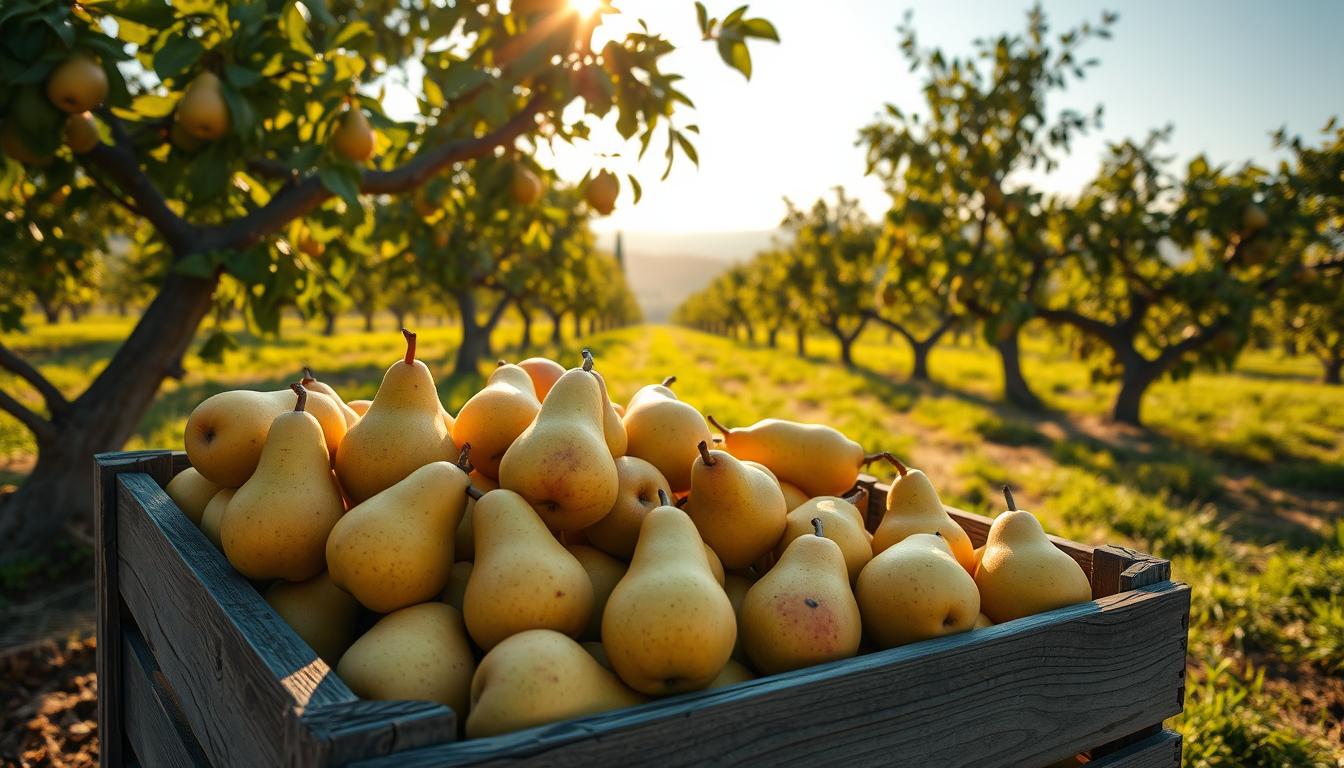
Have you ever wondered why your homegrown pears never seem to ripen perfectly on the tree? So, when Are Pears Ready to Pick?
The secret to a delicious pear harvest lies in understanding exactly when pears are ready to pick. As a passionate fruit grower, I’ve learned that timing is everything when it comes to harvesting pears.
Picking pears during the right pear harvest season isn’t just about luck – it’s a carefully timed process that requires knowledge and practice. European pears have a unique ripening characteristic that sets them apart from other fruits, making their harvest tricky.
In this guide, I’ll share my years of experience and insider tips to help you master the art of pear picking. From understanding ripeness to selecting the perfect moment for harvest, you’ll discover everything you need to know about bringing those delectable pears from tree to table.
Key Takeaways
- Pears do not ripen on the tree and must be picked at the right moment.
- European pears require special harvesting techniques.
- Timing is crucial for achieving perfect pear ripeness.
- Different pear varieties have unique harvesting windows.
- Proper picking ensures maximum flavor and texture.
Understanding Pear Ripeness
Pear ripening is a fascinating process that needs careful attention. As a fruit lover, I’ve learned that pears ripen differently from other fruits. Knowing the signs of ripeness is crucial for gardeners and fruit enthusiasts.
Pears ripen from the inside out, making timing crucial for picking. The signs of ripeness aren’t always easy to spot. Farmers and gardeners must monitor small changes in fruit development.




The Science Behind Pear Maturation
Understanding pear ripening involves several important factors:
- Pears develop complex sugars during maturation.
- Internal cellular changes occur gradually.
- Temperature and sunlight play critical roles.
- Fruit softens from the core outward.
Why Precise Timing Matters
Picking pears at the wrong time can be disappointing. If left on the tree too long, pears may develop unpleasant textures or internal browning. Knowing when to pick is essential for the best taste.
Timing is everything when it comes to harvesting the perfect pear.
My years of experience have shown that patience and careful monitoring are vital for successful pear harvesting. Each variety has its own unique ripening rhythm. This makes harvesting both an art and a science.
What Happens as Pears Ripen
When picking pears at peak ripeness, it’s key to know how they change. Pears undergo significant changes that indicate they’re ready to be picked. This is very important during the Bartlett pear harvest season.
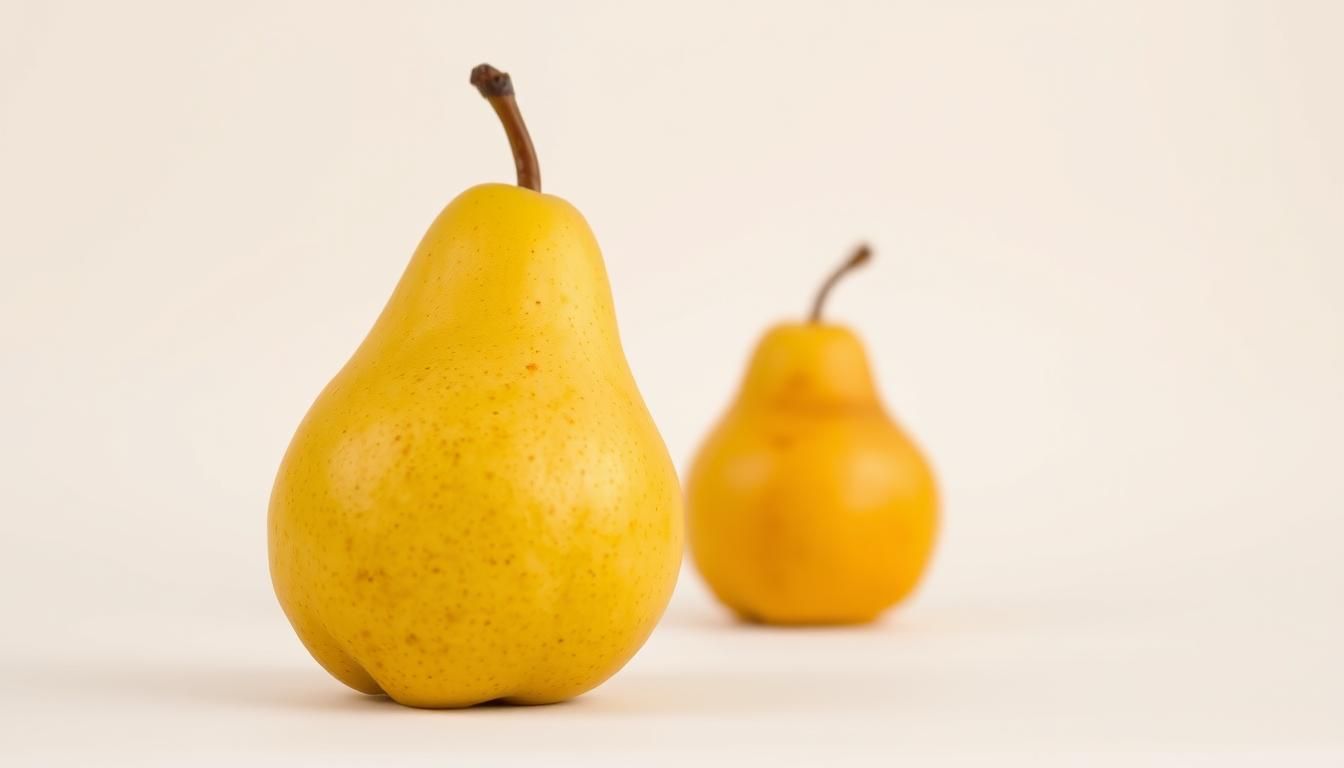
Ripening is a complex process that significantly alters the fruit—its texture, color, and overall composition change considerably as it matures.
Color Changes During Ripening
Color is a big sign of pear ripeness. Different types of pears change color in their own way:
- Bartlett pears turn from green to yellow.
- Some varieties get a reddish blush.
- The skin gets more vibrant and even.
Texture Transformations
As pears ripen, their insides undergo significant changes. The cell walls get softer, making the fruit taste better. During the Bartlett pear harvest, farmers look for sure signs:
- Less firmness near the stem.
- It gives slightly when pressed gently.
- Better juiciness and softness.
Important signs include a sweet, floral scent and a slight softness around the stem. These signs help find the best time to pick pears at peak ripeness.
Best Time for Harvesting Pears
Knowing when to pick pears is crucial for obtaining the best fruit. It’s an art that needs timing and attention to the season.
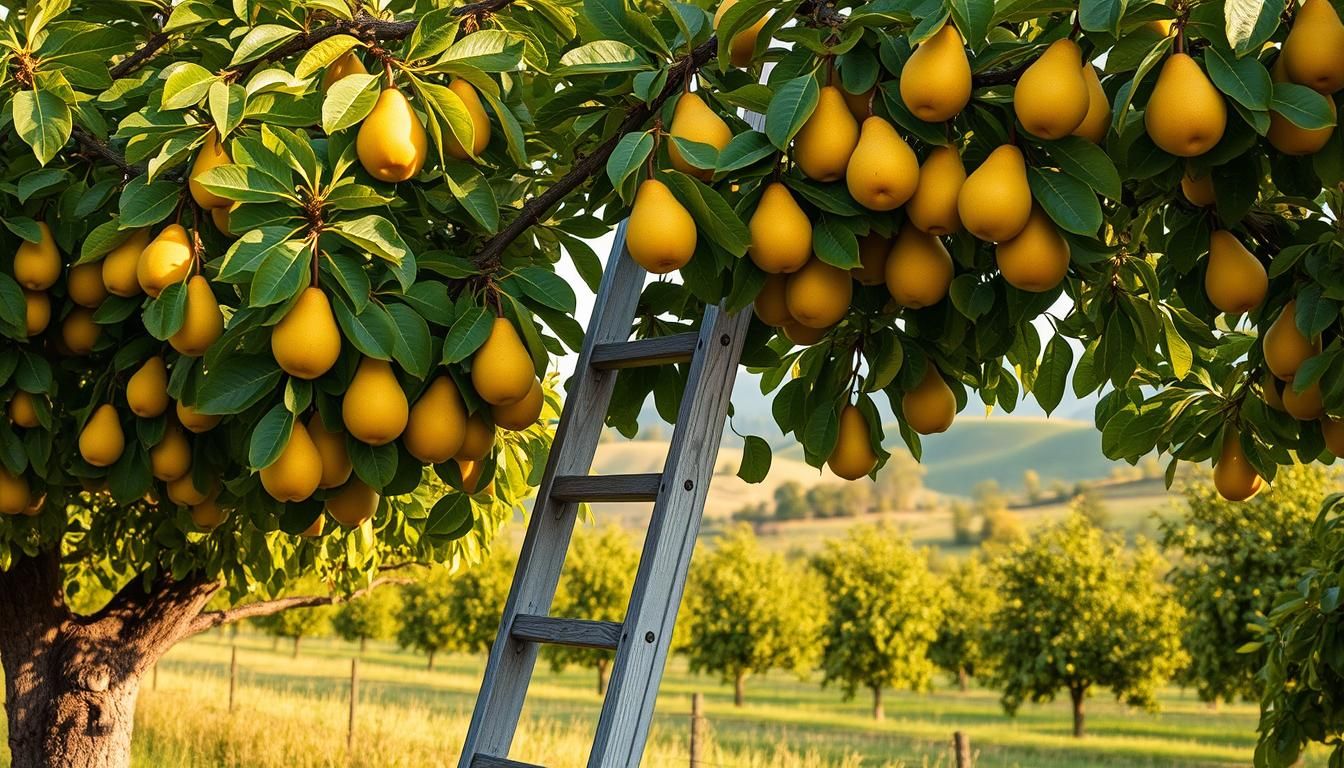
The pear harvest season typically occurs from late August to late September, primarily in zones 5 and 6. Each pear variety ripens at a different rate, so farmers and gardeners must closely monitor them.
Regional Seasonal Considerations
Harvesting pears depends on many factors that vary by region. I’ve found that the local climate is crucial for selecting the right time.
- Zone 5: Typically, harvest begins in late August.
- Zone 6: Peak harvest window from mid-September to early October.
- The ripeness of Anjou pears peaks slightly later than that of other varieties.
Climatic Influences on Pear Ripening
Climate greatly affects how pears ripen. Warmer weather accelerates growth, while cooler weather slows it.
| Climate Factor | Impact on Pear Ripening |
|---|---|
| Temperature | Directly affects fruit maturation speed |
| Rainfall | Influences fruit size and sugar content |
| Sunlight Exposure | Determines fruit color and sweetness |
“Patience is key in pear harvesting. The right moment makes all the difference.” – Orchard Wisdom
For Anjou pear ripeness, look for visual signs and check the local weather. Keep an eye on your trees and harvest when they’re ready.
Signs That Indicate Pears Are Ready
Finding the right time to pick pears can be tricky. Knowing the signs of ripe pears ensures you get fruit that’s full of flavor and texture. I’ll share tips on when to pick your pears.
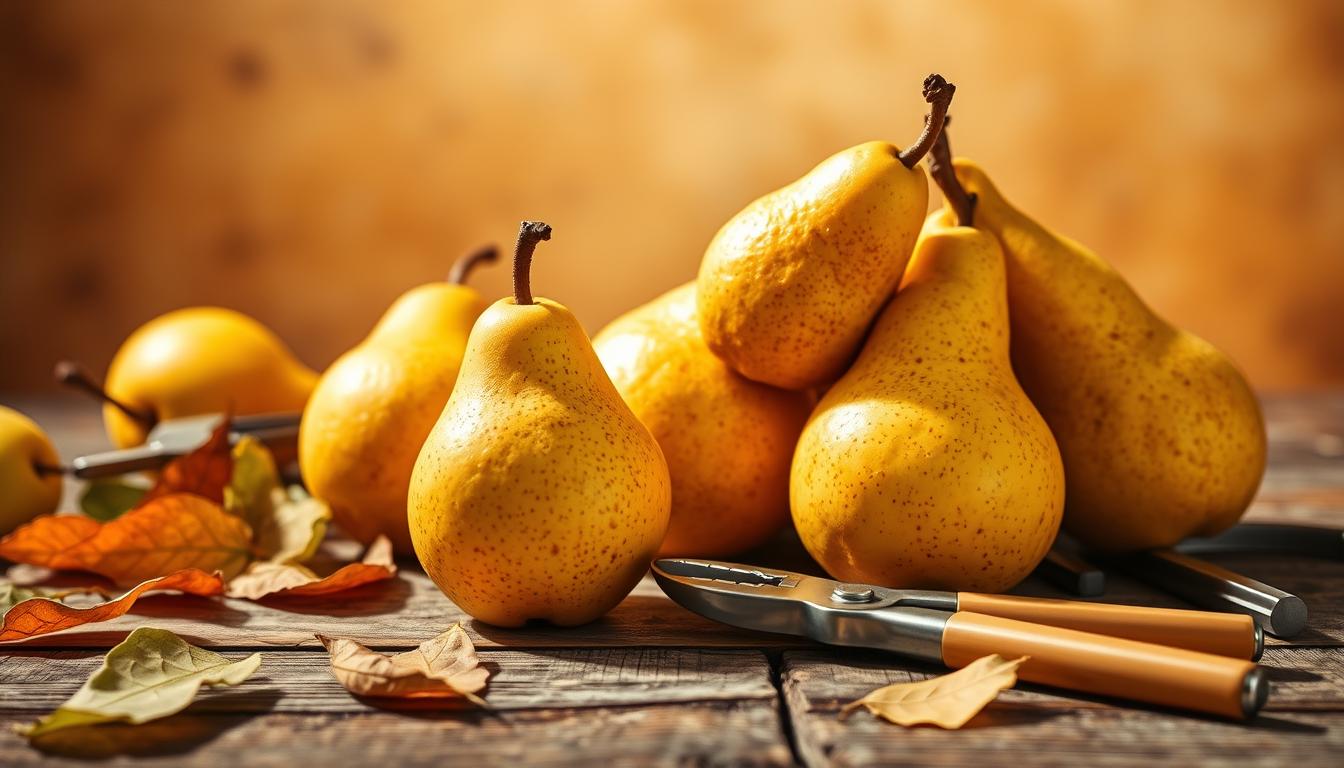
To determine when pears are ready, look for several key signs. Experienced gardeners use various methods to determine if pears are ripe.
Visual Cues for Pear Ripeness
Examining pears can reveal a lot about their ripeness. Here are the visual signs to look for:
- Color change from dark green to lighter green or yellow-green.
- Slight softening around the neck of the pear.
- Background color shifting from deep green to more yellowish tones.
The Tilt and Pick Test
A simple test can tell you if a pear is ripe. Just lift the pear and tilt it. A ripe pear will come off the branch easily.
| Ripeness Indicator | What to Look For |
|---|---|
| Color | Lighter green or yellow-green background |
| Texture | Slight give near the stem when gently pressed |
| Separation Test | Pear tilts easily from branch with gentle movement |
Taste Testing Techniques
While looking at pears is helpful, tasting them is even better. Never pull or twist the pear during testing. Instead, pick a pear and check its firmness and taste.
Pro tip: Pears continue ripening after picking, so harvest them slightly underripe for best results.
Harvesting Techniques and Tools
Picking pears at peak ripeness needs the right tools and approach. When I started, I learned that technique is as important as timing. I’ve adopted methods from professional orchards in my local district.
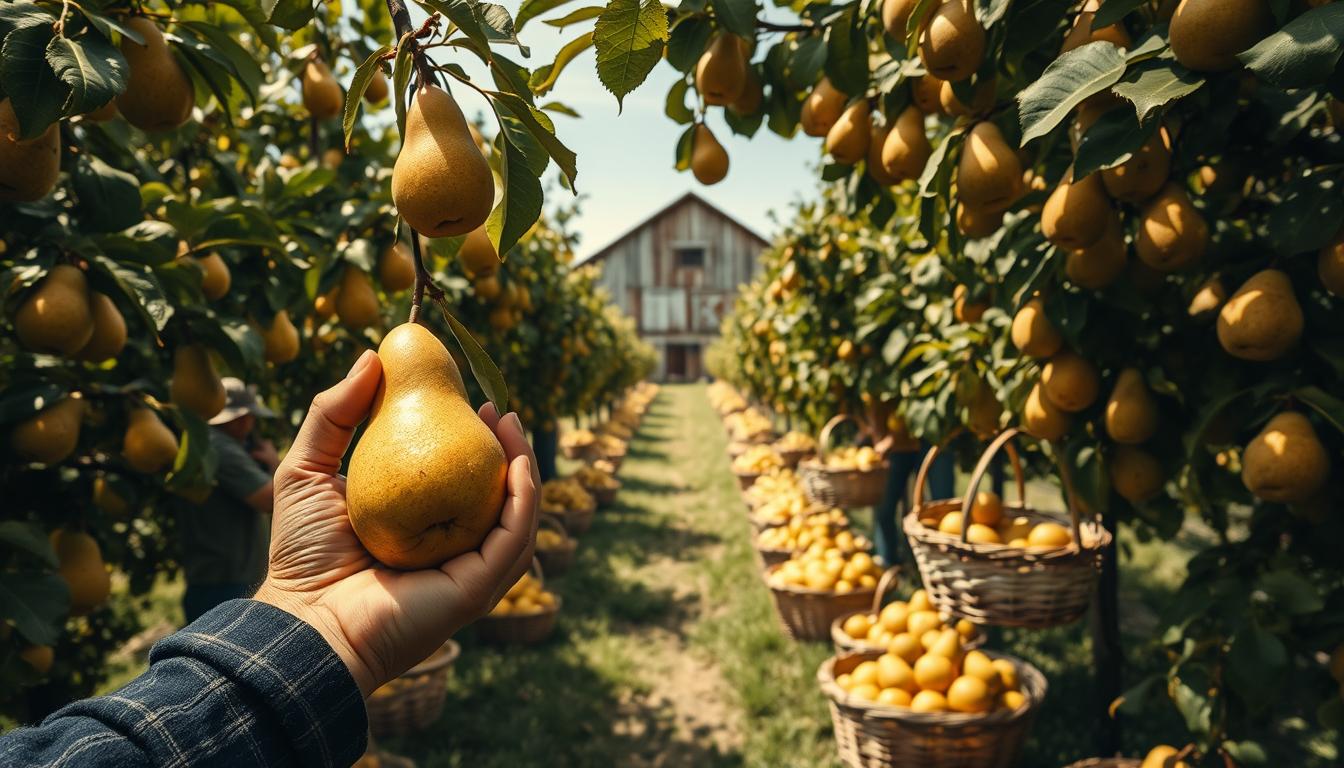
The secret to good pear picking is knowing how delicate the fruit is. Unlike many fruits, pears don’t ripen on the tree. This makes harvesting them special.
Essential Tools for Pear Picking

Safe Harvesting Techniques
Here are the key steps for picking pears at their best:
- Gently grasp the pear.
- Twist the fruit slightly upward.
- Roll the pear until the stem separates.
- Avoid pulling directly downward.
| Technique | Pros | Cons |
|---|---|---|
| Hand Picking | Precise selection | Time-consuming |
| Fruit Picker Tool | Reaches high branches | Less gentle handling |
| Ladder Method | Comprehensive access | Requires careful balance |
Safety tip: Always use a sturdy ladder and have someone spot you while picking Harry & David pears or any other variety.
Storing Pears After Picking
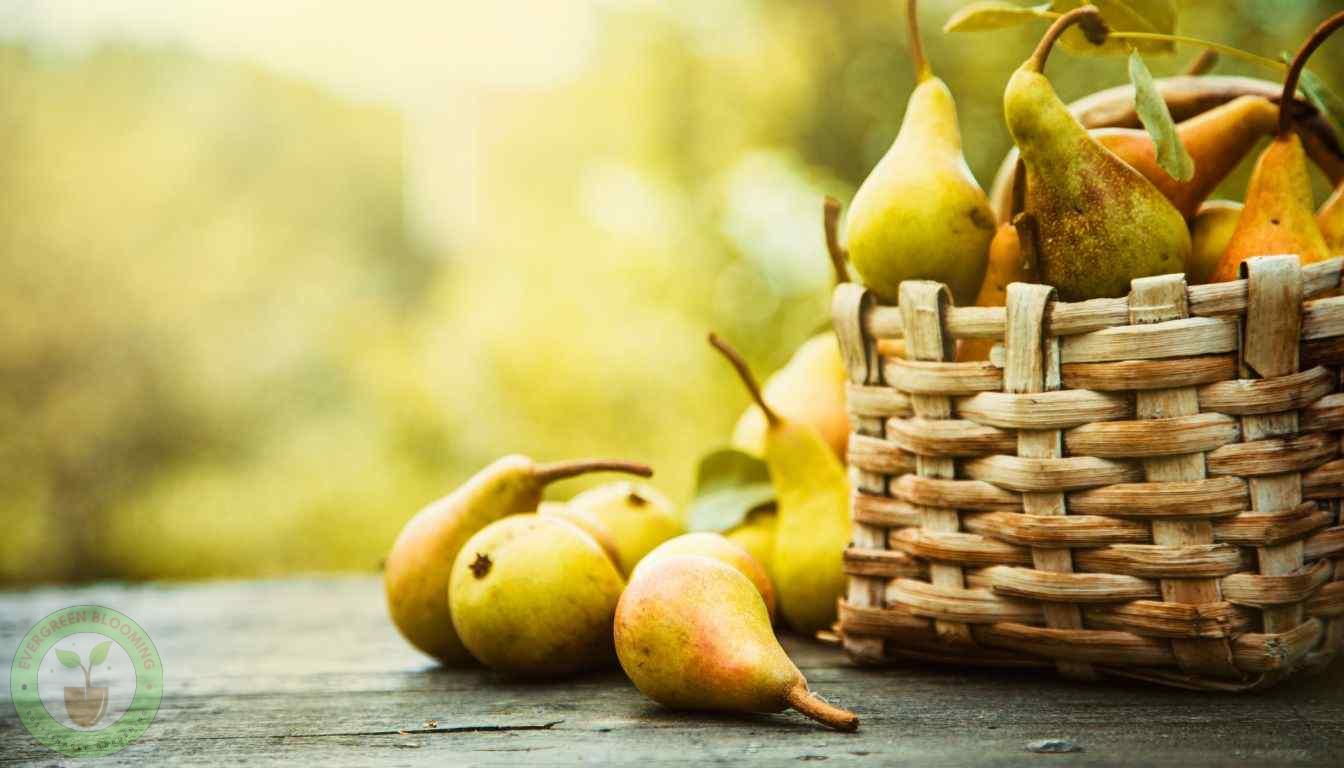
After picking your pears, it’s important to store them correctly. This keeps them fresh and flavorful. Knowing when pears are ripe helps keep them at their best.
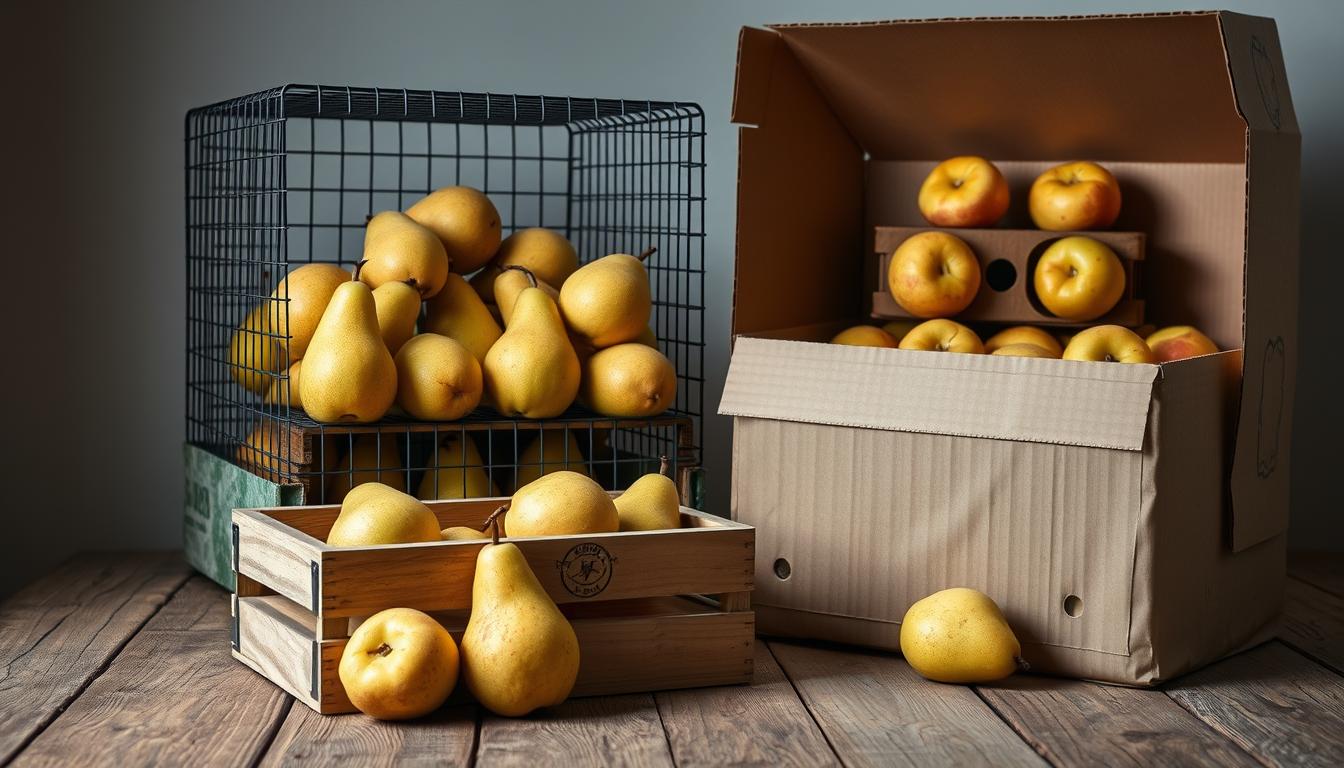
Storing pears needs careful planning. The correct storage method depends on their ripeness. This affects how long they stay fresh and tasty.
Ideal Storage Conditions
Pears require the ideal environment to ripen properly. Here are some tips for storing them:
- Store unripe pears at room temperature.
- Place pears stem-side down on a countertop.
- Avoid direct sunlight during the ripening process.
- Keep pears separated to prevent bruising.
How Long Do Pears Last?
Knowing when pears are ripe helps you store them for a longer period. Here’s a guide for storing pears:
| Pear Ripeness Stage | Storage Location | Estimated Duration |
|---|---|---|
| Unripe | Room Temperature | 4-5 days |
| Ripe | Refrigerator | 3-5 days |
| Fully Ripe | Refrigerator | 2-3 days |
Pro tip: Check your pears daily. When the neck yields gently, they’re ready. Refrigeration slows ripening, giving you more time to enjoy them.
Common Pear Varieties and Their Harvest Times
Pear varieties have their own unique traits that determine when they’re ready to be picked. Understanding these differences helps gardeners and farmers determine the optimal harvest window for Bartlett and Anjou pears.
Different pear types require special care to be picked at the right time. I’ll share details on three popular varieties that many home gardeners grow.
Bartlett Pears: The Classic Summer Variety
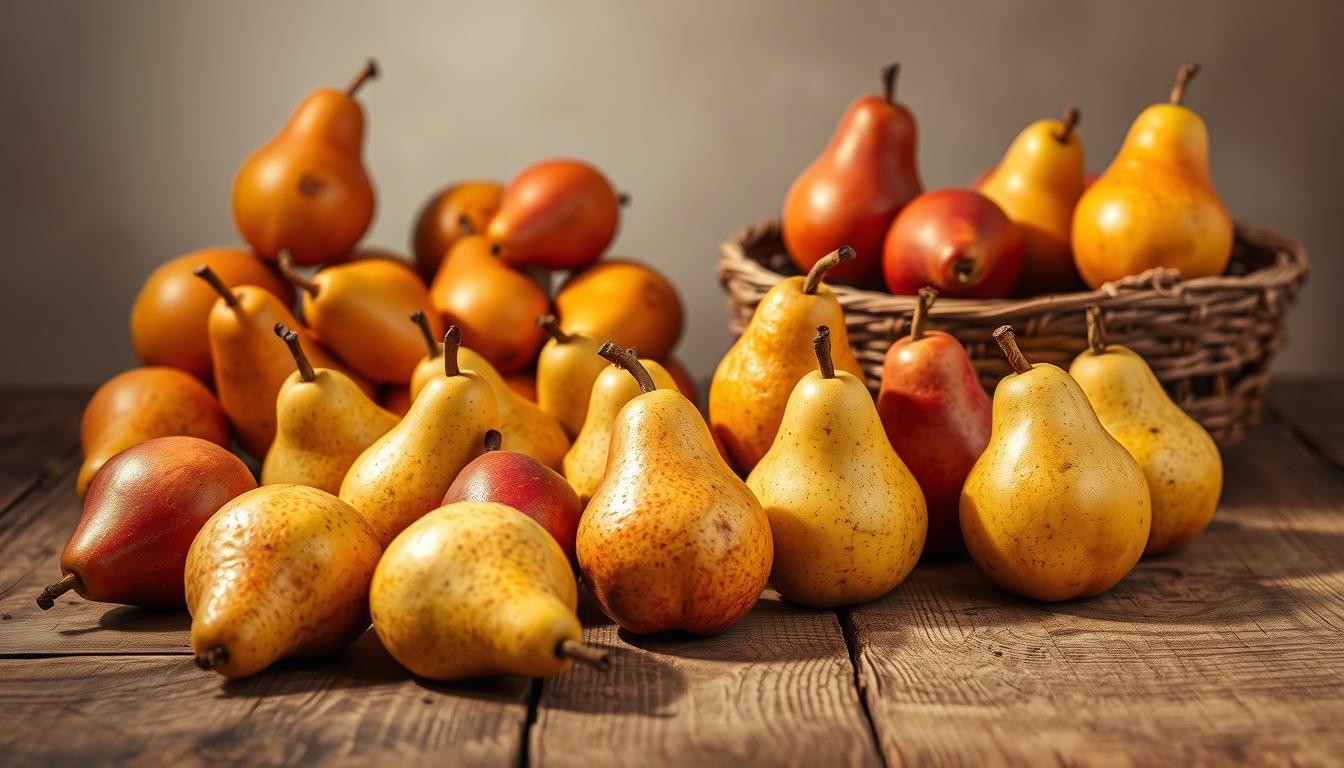
Bartlett pears are renowned for their sweet flavor and smooth texture. They usually ripen between late August and early September. Here are some signs to look for:
- Color changing from green to yellow.
- Slight softening near the stem.
- Easy removal from branches.
Bosc Pears: The Rustic Bronze Beauty
Bosc pears are distinguished by their russet-brown skin. They ripen later, usually in September and October. They have a firmer texture and a spicy flavor.
- Firmer texture compared to other varieties.
- Rich, spicy flavor profile.
- Longer storage potential.
Anjou Pears: The Winter Keeper
Checking the ripeness of Anjou pears requires careful monitoring. These pears stay green even when ripe. Here’s how to tell:
- Minimal color change.
- Gentle give when pressed near the stem.
- Harvesting before the first frost.
| Pear Variety | Harvest Window | Ripening Characteristics |
|---|---|---|
| Bartlett | Late August – Early September | Quick color change, sweet flavor |
| Bosc | September – October | Firm texture, russet brown skin |
| Anjou | Late September – October | Remains green, subtle ripening cues |
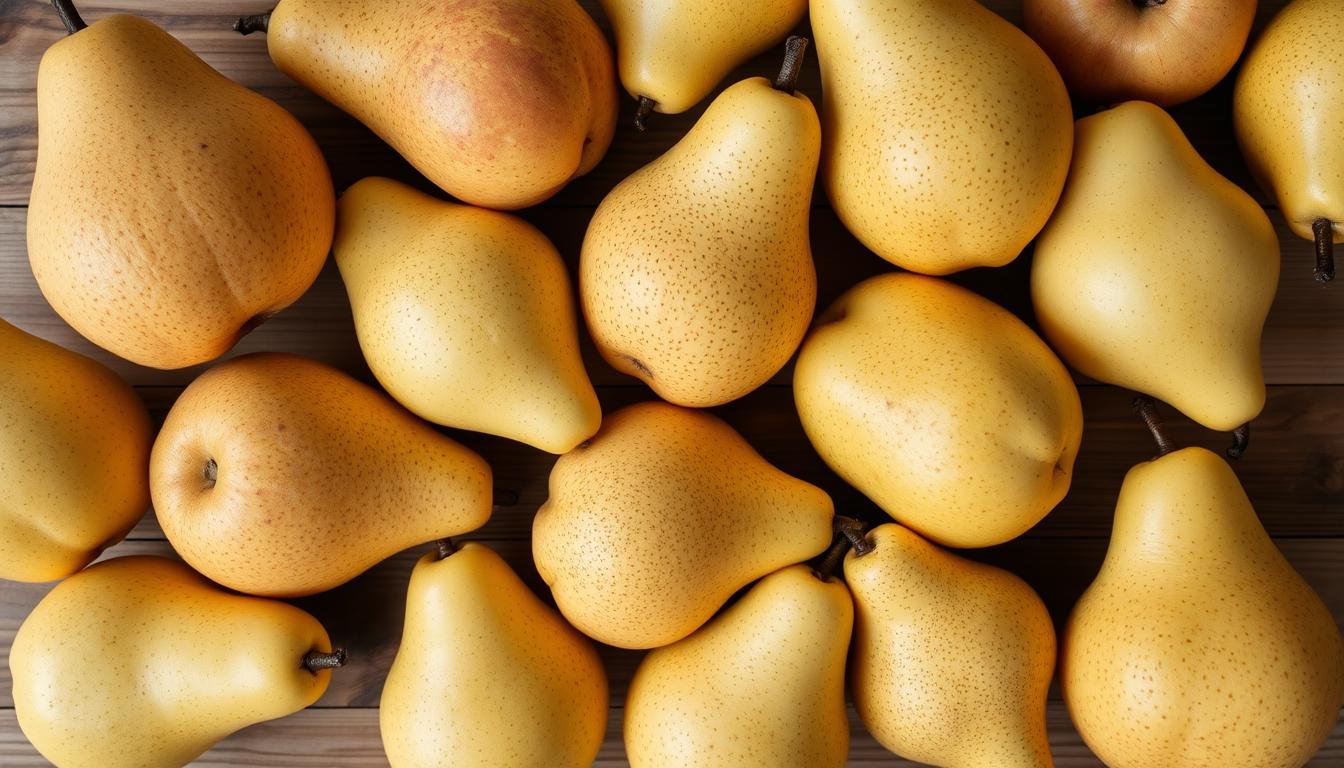
By knowing how each variety ripens, you can get the most from your pear harvest. Enjoy the best fruits possible.
Possible Challenges in Harvesting
Pear harvest season can be unpredictable, presenting gardeners and orchard owners with unique challenges. As someone who has worked closely with pear cultivation, I’ve learned that successful harvesting requires careful attention to potential obstacles.
Understanding the potential issues that can impact your pear crop is crucial for maintaining quality and yield. Harry & David pears, known for their exceptional quality, face similar challenges that home gardeners encounter.
Navigating Pest Challenges
Pear crops can suffer from several pest-related issues:
- Codling moths that damage fruit.
- Pear psylla is causing leaf damage.
- Aphids weaken tree health.
Weather-Related Harvesting Concerns
Weather plays a critical role in pear development and harvest success. Extreme conditions can significantly impact crop quality.
| Weather Condition | Potential Impact on Pears | Mitigation Strategy |
|---|---|---|
| Frost | Flower and fruit damage | Protective coverings |
| Excessive Heat | Premature fruit drop | Adequate irrigation |
| Heavy Rain | Fruit bruising | Timely harvesting |
I recommend closely monitoring your pear trees and implementing preventative measures to protect your harvest. Early detection and proactive management are key to overcoming these challenges during the pear harvest season.
My Experience with Harvesting Pears
Working with pear orchards for years, I’ve found picking pears at the right time is both an art and a science. Learning when pears are ready to pick has been a journey filled with lessons and surprises.
Through many seasons of trying and learning, I’ve become good at picking the perfect pear. Here are some tips that have changed how I harvest pears.
Lessons from the Orchard
My biggest lessons about picking pears came from watching and waiting. I learned that successful harvesting is more than just timing. It’s about knowing the signs of ripeness.
- Always check pears by gently pressing near the stem
- Learn to distinguish between unripe and perfectly ripe fruit
- Observe color changes as a key indicator of readiness
Personal Harvesting Tips
Determining when pears are ready to be picked involves several factors. Here’s a guide I’ve made over the years:
| Pear Variety | Peak Harvest Indicators | Best Picking Time |
|---|---|---|
| Bartlett | Slight yellowing, soft near stem | Late Summer |
| Bosc | Brownish skin, firm texture | Early Fall |
| Anjou | Green to yellow-green color | Mid-Fall |
My most valuable lesson? Trust your instincts, but always validate with careful observation. Each pear has its own story of ripeness. Learning to read that story takes time and practice.
“Patience is the secret ingredient in perfect pear picking.” – My Grandfather’s Wisdom

Knowing When to Stop Picking
Learning to harvest pears is more than just picking fruit. It’s about finding the right balance between picking and keeping the tree healthy. As someone who has been gardening for a while, I’ve learned that knowing when to stop is important.
Picking too many pears can harm your trees. When trees have too many fruits, they get stressed. This stress can hurt their ability to grow fruit in the future.
Recognizing Harvest Limits
Here are signs you’ve picked enough pears:
- Branches appear stressed or bent.
- The remaining fruits show uneven ripeness.
- The tree shows signs of structural strain.
- Fruit clusters seem sparse.
Preventing Orchard Damage
To avoid picking too many, I check the pears’ ripeness before picking. This careful approach helps keep the tree healthy and ensures higher future fruit yields.
| Harvesting Stage | Recommended Action |
|---|---|
| Early Season | Thin fruits strategically |
| Peak Harvest | Pick selectively |
| Late Season | Leave some fruits for natural drop |
Remember: A thoughtful harvest preserves your pear tree’s long-term productivity.
Recipes and Uses for Freshly Picked Pears
After harvesting your Harry & David pears, it’s time to make delicious dishes. Freshly picked pears are great for both sweet and savory recipes. They add a special touch to any meal.
Pears can elevate any dish with their distinctive flavor. Here are some of my favorite pear recipes.

Irresistible Dessert Creations
Pears are perfect for desserts. Here are some tasty ideas:
- Pear Tarte Tatin with caramelized edges.
- Almond Pear Galette with rustic pastry.
- Spiced Pear Crumble topped with vanilla ice cream.
- Poached Bartlett pears in red wine reduction.
Savory Culinary Adventures
Pears are also great for savory dishes. They add a sweet touch to main courses:
- Grilled pear and blue cheese salad.
- Pork tenderloin with caramelized pear sauce.
- Pear and prosciutto flatbread.
- Roasted vegetable medley with diced pears.
Choosing the right pear variety is key. Bosc pears are ideal for cooking, while Bartlett pears are best suited for fresh dishes.
The key to amazing pear dishes is selecting the right variety and ensuring perfect ripeness!
Product offers are temporarily unavailable.
Frequently Asked Questions (FAQs): When are Pears Ready to Pick?
How do I know when pears are ready to pick?
Can I pick pears before they’re completely ripe?
What is the typical pear harvest season?
How long can I store picked pears?
What’s the best way to tell if a pear is ripe?
Do different pear varieties ripen differently?
Can weather affect pear ripeness?
What are common mistakes when picking pears?
Final Thoughts on Timing Your Pear Harvest Correctly
Exploring pear picking has shown me it’s both a science and an art. The pear harvest season requires patience, careful observation, and a gentle touch. Learning about pear harvesting taught me to look for signs like color changes, lenticel changes, and firmness.
Every pear tree has its own story. Learning to read its signals is key. Whether you’re new or experienced, the goal is to harvest with care and precision. The methods we’ve discussed will help you select pears at their peak, ensuring optimal taste and storage.



Starting your pear harvesting journey is exciting. Remember, practice makes perfect. Each season brings new lessons, and every tree has its own pace. Trust your instincts, watch closely, and learn from your experiences. Your reward will be delicious, perfectly ripe pears.
Your Harvest Journey Begins
Step into your orchard or garden with confidence. The skills you’ve learned will change how you pick pears, making the experience more rewarding. Happy harvesting, and may your baskets be filled with the tastiest pears!
Further Recommendations:
- Winterproofing the Garden
- A Beginner’s Guide to Growing Lettuce
- Exciting Edible Mushrooms
- Homesteading
- Beginner’s Guide to Growing Tomatoes
- The ultimate guide to growing Serrano Peppers in pots
- Ultimate Guide to Strawberries
- Discover the World of Peppers
- What are Heirloom Strawberries
- What not to plant with strawberries
- When to transplant strawberries
- Best Organic Fertilizers for Strawberries
- What is a Strawberry Tree?
- Stylish Gardening Arm Sleeves for Gardening
- What animals eat strawberries
- Do strawberries grow on trees?
- Best Outdoor Composting Bins
- Ultimate Guide to Kiwi Fruit
- Understanding Mushrooms
- How much cold can strawberries tolerate?

Leave a Reply